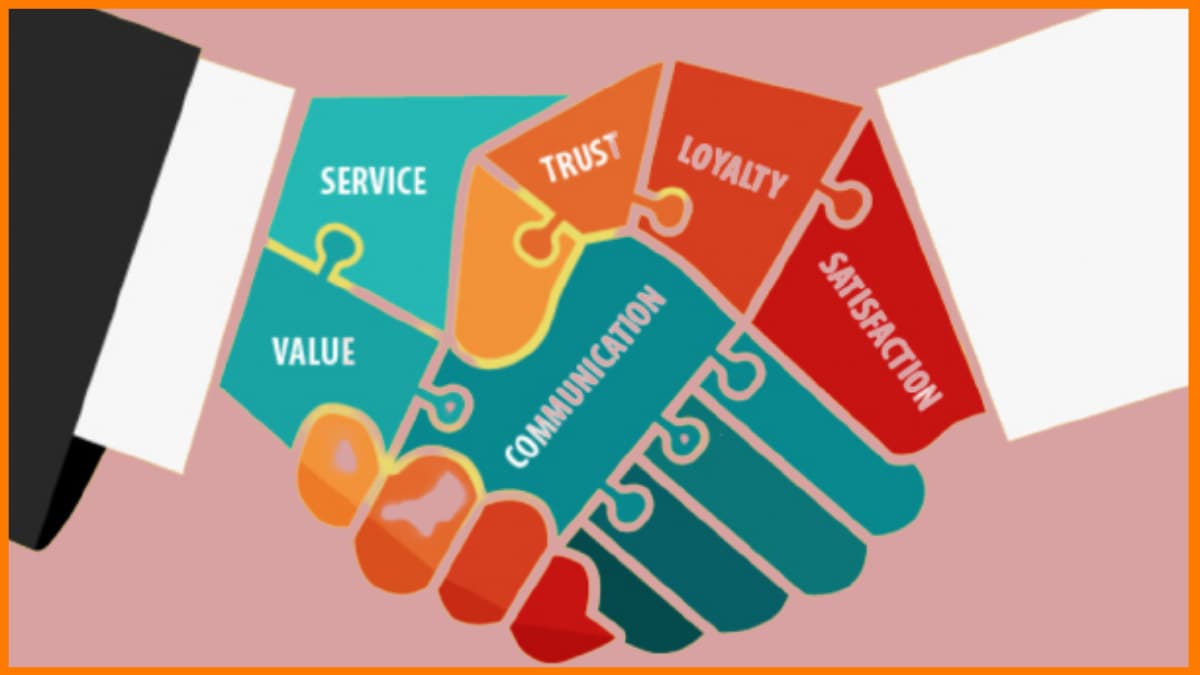
When people shop online, they cannot shake your hand or walk through your shop. They have a website, a few photos, and their own instincts. That is why trust is the real currency of small business. A customer who trusts you will pay a fair price, come back again, and tell friends. A customer who is unsure will leave without a word.
The good news is that building trust does not require a big marketing budget. For more ideas on growing a small company with limited resources, browse around this site and look through the guides on business growth and tools. Meanwhile, here are five practical steps you can start using this week.
1. Make Your Website Clear and Honest
Your website is your storefront, so treat it like one. Visitors should understand within a few seconds what you sell, who it is for, and how to buy it.
Use real photos instead of generic stock images where you can. Show your face on the About page and tell the story of why you started. Include a working phone number or email address, and make sure your site loads quickly on mobile. Broken links, spelling mistakes, and cluttered layouts quietly signal carelessness.
2. Collect and Display Real Reviews
Most shoppers read reviews before buying, and they can tell when feedback feels fake. Ask happy customers to leave a review soon after a purchase, when the experience is fresh. A short, friendly email with a direct link makes this easy.
Do not hide the occasional negative review. A few mixed comments actually make your overall rating look more believable. What matters is how you respond. A calm, helpful reply to a complaint shows future customers how you treat people when things go wrong.
3. Be Upfront About Pricing and Policies
Few things destroy trust faster than surprise costs at checkout. Show shipping fees, taxes, and delivery times as early as possible. Write your return and refund policy in plain English, not legal jargon, and place it where people can find it without hunting.
Clear policies do more than prevent disputes. They tell customers you are confident in what you offer and ready to stand behind it.
4. Share Useful Content, Not Just Sales Pitches
If every post you publish says “buy now,” people stop listening. Try mixing in content that helps. A skincare brand could explain how to build a simple routine. An accounting freelancer could share a checklist for organizing receipts. A pet shop could post tips on feeding and grooming.
Helpful content shows you know your field, and it gives customers a reason to return even when they are not ready to buy. Over time, you become the name they think of first.
5. Respond Quickly and Stay Consistent
Speed matters. A question left unanswered for three days often turns into a lost sale. You do not need a full support team. Set aside time twice a day to check messages, comments, and emails, and keep a short list of saved replies for common questions.
Consistency matters just as much. Use the same name, logo, colors, and tone of voice across your website, social media, and packaging. When everything looks and sounds connected, customers feel they are dealing with a real, stable business.
A Quick Example
Picture a small candle maker who sells through her own website. Sales are slow even though the product is good. She makes a few changes: replaces blurry photos with clear ones, adds a short story about how she hand-pours each batch, posts a straightforward shipping and returns page, and emails recent buyers asking for honest reviews.
Within a couple of months, she has a dozen genuine reviews and noticeably fewer abandoned carts. None of these steps cost much money. They simply gave shoppers more reasons to feel safe.
Common Trust Killers to Avoid
Overpromising. Claims like “best in the world” without proof make people skeptical. Be specific and truthful instead.
Ignoring privacy. Collect only the information you need, and explain how you use it.
Disappearing after the sale. Follow up to confirm delivery and ask if everything went well. That small step often turns a first-time buyer into a loyal one.
Final Thoughts
Trust is built in small moments: a clear page, an honest answer, a delivery that arrives on time. You do not need to do everything at once. Pick one or two of these ideas this week, put them into practice, and build from there. Customers notice effort, and they reward businesses that earn their confidence.
Leave a Reply