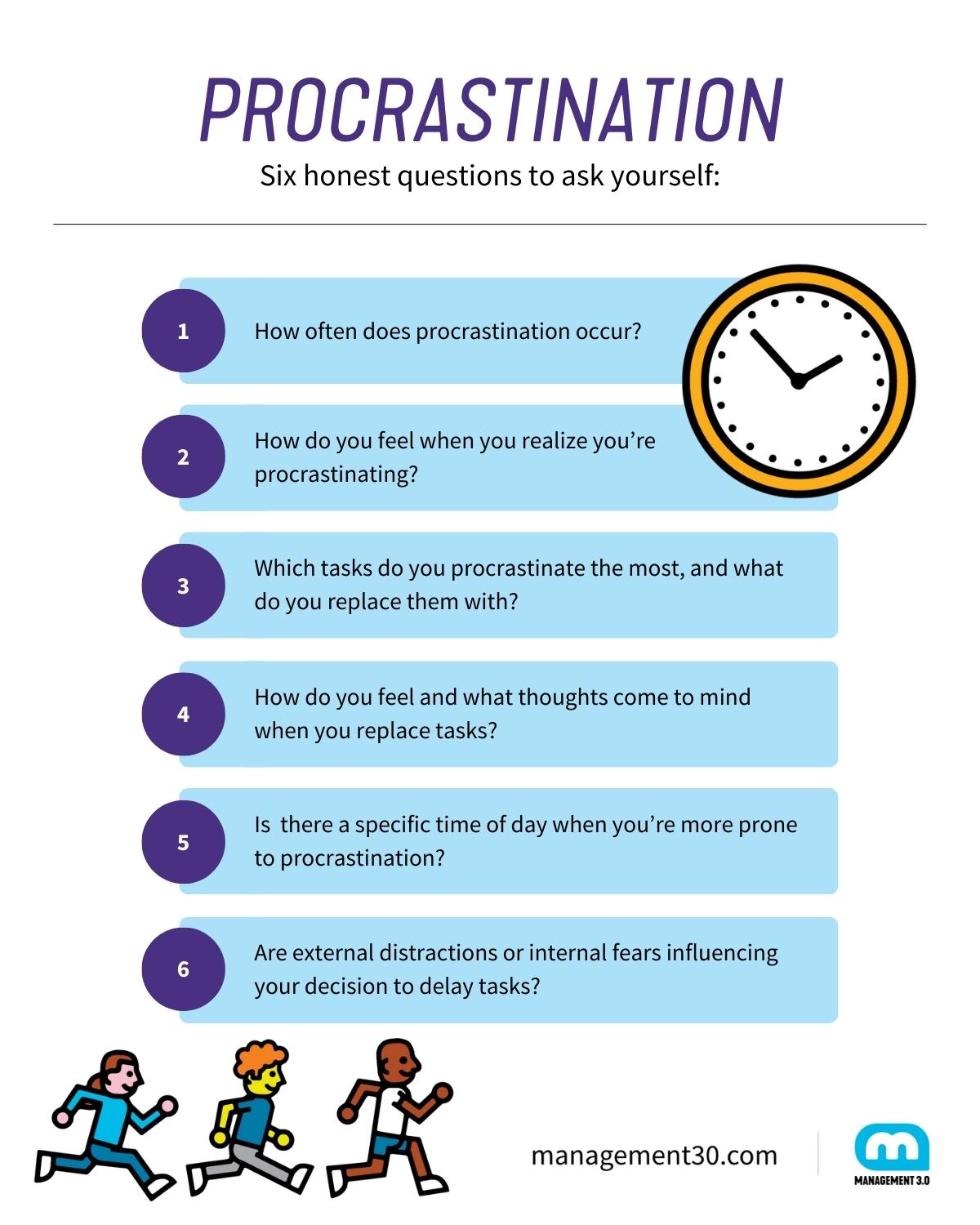
Academic success depends on more than intelligence or natural ability. Students also need effective study habits, consistent effort, and the ability to complete important tasks on time. However, many students struggle with procrastination, which can make assignments, exam preparation, and daily learning more stressful than necessary.
Learning how to overcome academic procrastination can help students become more organized, improve their productivity, and approach their studies with greater confidence. Procrastination often happens when a task feels difficult, boring, overwhelming, or uncomfortable. Instead of getting started, students may check their phones, watch videos, or complete less important activities.
Although delaying academic work can provide temporary relief, it often creates additional pressure as deadlines approach. The good news is that procrastination is a habit that students can work to change through realistic goals, better planning, and consistent practice.
This guide explains why students procrastinate, how procrastination affects academic performance, and which practical strategies can help learners build healthier and more productive study routines.
What Is Academic Procrastination?
Academic procrastination is the habit of unnecessarily delaying school or university responsibilities even when you understand that postponing them may create problems later.
It can involve putting off homework, avoiding difficult reading assignments, delaying exam preparation, or waiting until the last minute to begin a research paper.
For example, a university student may have two weeks to complete an essay but spend the first several days watching videos or browsing social media. When the deadline approaches, the student may rush through research and writing, resulting in unnecessary stress and weaker work.
Academic procrastination is not always caused by laziness. It can be connected to fear of failure, perfectionism, low motivation, uncertainty about how to begin, or difficulty managing uncomfortable emotions.
Understanding the reason behind procrastination is an important first step toward changing it.
Why Do Students Procrastinate?
Students procrastinate for different reasons. Identifying the specific cause can make it easier to choose a strategy that works.
1. Fear of Failure
Some students delay assignments because they are afraid of making mistakes or receiving poor grades. They may worry that their work will not meet expectations, so they avoid starting altogether.
Unfortunately, delaying the task does not remove the challenge. It usually leaves less time to complete the work carefully.
A more helpful approach is to treat assignments as opportunities to learn rather than tests of personal worth. Mistakes can show you what needs improvement.
2. Perfectionism
Perfectionism can make students believe that every assignment must be excellent from the beginning. They may spend too much time planning, wait for the perfect idea, or avoid writing because they cannot produce an ideal first draft.
Instead of aiming for perfection immediately, focus on creating a workable first version. You can revise your writing, correct mistakes, and improve your arguments later.
Progress usually begins with an imperfect first step.
3. Feeling Overwhelmed
Large assignments can feel difficult when students think about everything they need to accomplish at once.
For example, completing a research paper may require selecting a topic, finding sources, reading articles, organizing notes, writing several sections, and proofreading the final draft.
Thinking about all these responsibilities simultaneously can make it harder to begin.
Breaking a large project into smaller tasks makes the work more manageable and provides clear starting points.
4. Lack of Motivation
Some academic tasks are naturally less interesting than others. Students may find it difficult to focus on subjects they dislike or assignments that seem unrelated to their personal goals.
Motivation also changes from day to day. Waiting until you feel motivated can therefore lead to repeated delays.
Rather than relying entirely on motivation, establish a simple routine that helps you begin working even when you do not feel enthusiastic.
5. Digital Distractions
Smartphones, social media, games, and entertainment platforms can interrupt concentration. A student may intend to check one notification but end up spending much longer browsing unrelated content.
These distractions can make academic work seem even less appealing because entertainment provides immediate stimulation while studying often requires sustained effort.
Creating a distraction-free study environment can help students protect their attention.
How to Overcome Academic Procrastination: 10 Practical Strategies
Overcoming procrastination does not require changing every habit overnight. Start with a few manageable adjustments and build a routine that fits your schedule.
1. Break Large Assignments Into Smaller Tasks
One of the most practical ways to overcome academic procrastination is to divide a large assignment into specific, achievable steps.
Instead of writing “complete research paper” on your to-do list, create smaller tasks such as:
- Choose a research topic.
- Develop a research question.
- Find three relevant academic sources.
- Read the sources and take notes.
- Prepare an outline.
- Write the introduction.
- Complete the main sections.
- Revise and proofread the paper.
Each task should be clear enough that you know exactly what to do when you sit down to study.
Small steps reduce the mental pressure associated with large projects. They also help you recognize progress, which can make it easier to continue.
2. Use the Five-Minute Rule
Starting is often harder than continuing. If you keep postponing a task, commit to working on it for just five minutes.
For example, open your assignment, read the instructions, and write a few sentences. If you are studying for an exam, review one concept or solve one practice question.
After five minutes, you can decide whether to continue. You may find that beginning the task makes it easier to keep going.
Even when you stop after five minutes, you have taken action instead of avoiding the work completely.
Use this technique when you feel stuck, overwhelmed, or unsure how to begin.
3. Create a Realistic Study Schedule
A study schedule helps you decide when academic tasks will happen instead of leaving them until you have free time.
Start by listing your classes, assignment deadlines, examinations, work commitments, and personal responsibilities. Then identify suitable study periods throughout the week.
For example, you could reserve Monday afternoon for reading, Tuesday evening for mathematics practice, and Wednesday morning for writing an assignment.
Make your schedule realistic. If you are tired in the morning, do not build your entire study routine around early hours simply because they work for someone else.
Include breaks and leave some flexibility for unexpected responsibilities.
A useful schedule is not one that fills every minute. It is one that helps you complete important work consistently.
4. Set Specific and Achievable Goals
Vague goals make it difficult to measure progress. A goal such as “study biology today” does not explain what you should accomplish or when the task will be finished.
A more useful goal would be “review the chapter on cell division and answer ten practice questions before 4 p.m.”
Effective academic goals should be specific, measurable, and realistic.
At the beginning of each study session, identify one main task and two smaller priorities. Complete the most important work before moving to less urgent activities.
Avoid creating an extremely long to-do list that becomes discouraging. A short list of achievable tasks can be more useful than an ambitious plan you cannot maintain.
5. Eliminate Common Distractions
Your environment can either support concentration or make procrastination easier.
Before studying, prepare the materials you need and reduce interruptions as much as possible.
Try these practical steps:
- Put your phone in another room or out of reach.
- Turn off unnecessary notifications.
- Close unrelated browser tabs.
- Choose a quiet and comfortable study location.
- Keep your desk organized.
- Let other people know when you need uninterrupted time.
If you must use your phone or computer for academic work, decide which applications and websites are necessary before you begin.
You do not need a perfect study environment. The goal is to make focusing easier and distracting yourself less convenient.
6. Try the Pomodoro Technique
The Pomodoro Technique divides work into focused sessions followed by short breaks. It can help students approach demanding tasks without feeling that they must concentrate for several hours at once.
A simple version works like this:
- Choose one specific academic task.
- Set a timer for 25 minutes.
- Work on that task without distractions.
- Take a five-minute break.
- Repeat the cycle as needed.
- After several sessions, take a longer break.
You can adjust the session length to suit your attention span and the difficulty of the task. Some students prefer shorter sessions, while others work better for 40 or 50 minutes before taking a break.
The key is to work on one priority during each session rather than switching constantly between tasks.
7. Stop Waiting for the Perfect Mood
Many students delay academic work because they believe they need to feel motivated, energetic, or inspired before beginning.
However, motivation does not always come first. Sometimes, taking a small action helps create the momentum needed to continue.
For example, if you do not feel like writing an essay, begin by listing three possible arguments. If studying feels difficult, review your notes for five minutes.
You can also connect an academic task to a larger goal. Completing a difficult assignment may help you develop knowledge, improve a skill, or progress toward a qualification.
Remind yourself that you do not need to finish everything immediately. You only need to take the next useful step.
8. Set Personal Deadlines Before Official Deadlines
Waiting until the official submission date can create unnecessary pressure, particularly when an assignment involves several stages.
Set your own deadlines ahead of time.
For example, if an assignment is due on Friday, aim to complete the first draft by Tuesday and finish revisions by Thursday.
Divide the available time according to the work involved. Leave room for unexpected problems, additional research, or corrections.
Personal deadlines are most effective when they appear in your calendar and are connected to specific tasks.
This approach also gives you time to ask your instructor questions or seek assistance if you discover that you do not understand an important part of the assignment.
9. Reward Progress and Practice Self-Compassion
Changing a procrastination habit takes effort. Recognizing progress can help you maintain a new routine.
After completing a difficult task, take a short break, enjoy a favorite activity, or spend time with friends. Choose rewards that help you relax without making it difficult to return to your work.
It is equally important to avoid excessive self-criticism when you procrastinate.
If you lose an hour to social media, criticizing yourself for the rest of the day will not recover that time. Instead, identify what caused the distraction and choose one small action to get back on track.
Ask yourself: “What can I do in the next ten minutes to make progress?”
This question directs your attention toward action rather than regret.
10. Ask for Help When You Need It
Sometimes, procrastination continues because a student does not understand the material or knows that an assignment requires skills they have not yet developed.
For example, you may delay writing a paper because you are uncertain how to structure an argument. You might avoid mathematics homework because you cannot solve a particular type of problem.
In these situations, better planning alone may not solve the problem.
Consider asking your instructor for clarification, attending tutoring sessions, discussing difficult concepts with classmates, or joining a study group.
Getting help early can make an intimidating task more manageable and prevent confusion from accumulating.
If procrastination becomes persistent and seriously affects your academic progress or well-being, consider seeking support from a qualified counselor or student support service.
How to Overcome Procrastination When Studying for Exams
Exam preparation can become stressful when students delay reviewing their material until the final days before a test.
A more effective approach is to study in shorter sessions over several days.
Start Reviewing Early
Begin reviewing course material soon after it is taught. Regular review helps you identify topics that need more attention before an examination approaches.
You do not need to study every subject for hours each day. Even a short, focused review can help you stay familiar with important concepts.
Use Active Recall
Instead of repeatedly reading your notes, close your book and try to explain the main ideas from memory.
You can use flashcards, practice questions, blank-page summaries, or verbal explanations.
Active recall helps you identify what you know and what still needs work.
Practice Difficult Questions
Students sometimes avoid challenging topics because struggling with them feels uncomfortable. However, ignoring difficult questions can leave important gaps in your preparation.
Identify the concepts you find most challenging and practice them in manageable sessions. If you remain confused, seek help rather than repeatedly postponing the topic.
Make a Revision Plan
Divide your syllabus into topics and assign each one a study session. Include time for practice questions, review, and rest.
A revision plan reduces uncertainty because you know what to study next. It also helps prevent spending too much time on familiar material while neglecting weaker areas.
A Simple Seven-Day Plan to Reduce Academic Procrastination
Students who want to change their habits can begin with a one-week plan. The goal is to build consistency rather than achieve perfection immediately.
Day 1: Identify your procrastination triggers. Write down which tasks you delay, what you do instead, and how you feel before avoiding the work.
Day 2: Choose one priority. Select an assignment or subject you have been postponing and divide it into smaller steps.
Day 3: Use the five-minute rule. Start your chosen task for five minutes without expecting yourself to finish it immediately.
Day 4: Create a study schedule. Choose realistic study periods for the next several days and add your most important deadlines.
Day 5: Remove one major distraction. Put your phone away, block an unhelpful website, or move to a quieter study location.
Day 6: Complete a focused study session. Use a timer, work on one task, and take a planned break afterward.
Day 7: Review your progress. Identify which strategies helped, what made studying difficult, and what you want to change next week.
At the end of the week, keep the techniques that worked for you and adjust the ones that did not. If you miss a day, continue with the next step rather than abandoning the plan.
Common Mistakes to Avoid When Fighting Procrastination
Students can unintentionally make procrastination worse by setting unrealistic expectations or relying on strategies that do not address the actual problem.
Making an Unrealistic Schedule
Planning to study for six hours every evening may not be practical if you have classes, work, family responsibilities, or other commitments.
Start with a schedule you can maintain. Increase your study time gradually when necessary.
Trying to Complete Everything at Once
Attempting to finish several assignments in one sitting can create exhaustion and make it harder to concentrate.
Prioritize tasks and work through them in manageable stages.
Waiting Until You Feel Motivated
Motivation naturally changes. If you always wait until you feel ready, you may delay important work repeatedly.
Use small actions and scheduled study periods to make starting easier.
Treating Every Setback as Failure
One unproductive afternoon does not mean you cannot improve your habits.
Look at setbacks as information. Perhaps your task was too large, your study session was too long, or your environment was distracting. Adjust your approach and try again.
Ignoring Rest and Well-Being
Sometimes, what looks like procrastination is related to exhaustion, stress, or an overloaded schedule.
Sleep, breaks, physical activity, and reasonable expectations can support concentration. If you are consistently exhausted, review your workload instead of assuming that you simply need more discipline.
How to Stay Consistent and Build Better Study Habits
Long-term improvement comes from repeating manageable actions rather than relying on occasional bursts of effort.
To build consistency, choose a regular time and place for studying whenever possible. Begin each session by reviewing your priorities, then work on one clearly defined task.
Track your progress with a simple checklist or calendar. Seeing completed tasks can help you recognize your effort and identify patterns in your routine.
You can also arrange study sessions with a classmate or tell someone about a deadline. This creates accountability and may make it easier to follow through on your plans.
Most importantly, focus on building a routine that fits your real circumstances. A sustainable study habit is more valuable than an ambitious schedule that lasts only a few days.
If a particular technique does not work, experiment with another. Some students benefit from short timed sessions, while others prefer longer periods of uninterrupted concentration. The best approach is one that helps you begin tasks, remain focused, and complete your work reliably.
Frequently Asked Questions
1. How can I overcome academic procrastination quickly?
Start by choosing one task and identifying its smallest useful first step. Set a timer for five minutes, remove distractions, and begin working. You do not need to complete the entire assignment immediately. Focus on making progress.
2. Why do I procrastinate even when I know my deadlines?
Procrastination can be connected to fear of failure, perfectionism, frustration, low motivation, or feeling overwhelmed. Knowing a deadline is approaching does not automatically remove the discomfort associated with starting a task. Identifying the reason for your delay can help you choose a more effective strategy.
3. What is the best method for avoiding procrastination while studying?
There is no single method that works for everyone. Breaking assignments into smaller tasks, setting realistic goals, scheduling study sessions, and reducing distractions are useful starting points. Experiment with these techniques to discover which combination suits your needs.
4. Does procrastination affect academic performance?
Persistent procrastination can reduce the time available for research, practice, revision, and proofreading. It may also increase deadline-related stress. Completing tasks earlier can give students more opportunities to understand material, correct mistakes, and prepare carefully.
5. How can students stop procrastinating on homework?
Students can begin by writing down their homework tasks, estimating how long each one may take, and selecting a clear starting point. Working in focused sessions and taking planned breaks can make homework more manageable. Asking for help when instructions are unclear can also prevent unnecessary delays.
6. How can I stop procrastinating if I have no motivation?
Do not wait for motivation to appear. Begin with a small action, such as reading one page, solving one question, or outlining a paragraph. Connecting the task to a personal goal and rewarding progress may also help you maintain momentum.
7. Is procrastination always caused by laziness?
No. Procrastination can result from emotional discomfort, perfectionism, uncertainty, distractions, or an unrealistic workload. Understanding these factors is often more helpful than labeling yourself as lazy.
8. How long does it take to overcome academic procrastination?
The time required varies from person to person. Some students notice improvements after making a few practical changes, while others need more time to develop consistent habits. Regular practice, realistic goals, and learning from setbacks can support gradual progress.
Conclusion
Learning how to overcome academic procrastination begins with understanding why you delay important tasks and making it easier to take action. Fear of failure, perfectionism, overwhelming assignments, and digital distractions can all contribute to the problem, but practical strategies can help students manage these challenges.
Start by breaking large assignments into smaller steps, setting realistic goals, creating a study schedule, and removing unnecessary distractions. Use short study sessions when starting feels difficult, ask for help when you need it, and recognize progress instead of expecting perfection.
You do not have to change every habit in a single day. Choose one strategy, practice it consistently, and adjust your approach as you learn what works best.
The most important step is to begin. Small, consistent actions can help you develop better study habits, manage academic responsibilities more confidently, and make steady progress toward your educational goals.
Leave a Reply