Blog

  • Active Learning Techniques That Help Students Understand More

    Active Learning Techniques That Help Students Understand More

    Learning is more than listening to a teacher, reading a textbook, or copying information into a notebook. To understand a subject deeply, students need opportunities to think, ask questions, solve problems, explain ideas, and apply what they learn.

    This is where active learning becomes valuable. By participating directly in the learning process, students can identify gaps in their knowledge, connect new concepts with existing information, and develop stronger problem-solving skills.

    The best active learning techniques for students do not always require special technology, expensive resources, or long study sessions. Simple activities such as explaining a concept in your own words, answering practice questions from memory, discussing a difficult topic with a classmate, and solving real-world problems can make studying more purposeful.

    Whether you are a school student, college learner, university student, or someone taking online courses, active learning can help you move beyond memorization and develop a deeper understanding of your subjects.

    In this guide, you will discover what active learning means, why it matters, which techniques students can use, and how to build an effective active learning routine.

    What Is Active Learning?

    Active learning is an approach to education in which students actively engage with information rather than simply receiving it. It involves thinking, recalling, discussing, questioning, practicing, and applying knowledge.

    In a traditional lecture, a student might listen to an explanation of a scientific concept and copy the teacher’s notes. With active learning, the student might also predict an outcome, answer questions about the concept, explain it to a classmate, and solve a related problem.

    Both listening and reading can be useful parts of learning. However, students also need opportunities to work with information and check whether they truly understand it.

    Active learning can take place in classrooms, libraries, study groups, laboratories, and online learning environments. It can involve individual activities or collaboration with other students.

    The central idea is simple: students learn by doing something meaningful with the material, not just by looking at it repeatedly.

    Why Are Active Learning Techniques Important for Students?

    Active learning can support better understanding by giving students regular opportunities to practice, receive feedback, and recognize what they still need to learn.

    1. They Help Students Understand Difficult Concepts

    Reading a definition may help you recognize a concept, but explaining it without looking at your notes requires a deeper level of understanding.

    Active learning encourages students to examine ideas, identify relationships, and connect theory with examples.

    For instance, a biology student learning about ecosystems could draw a food web and explain how a change in one population might affect other organisms. This activity requires the student to understand how different parts of the system interact.

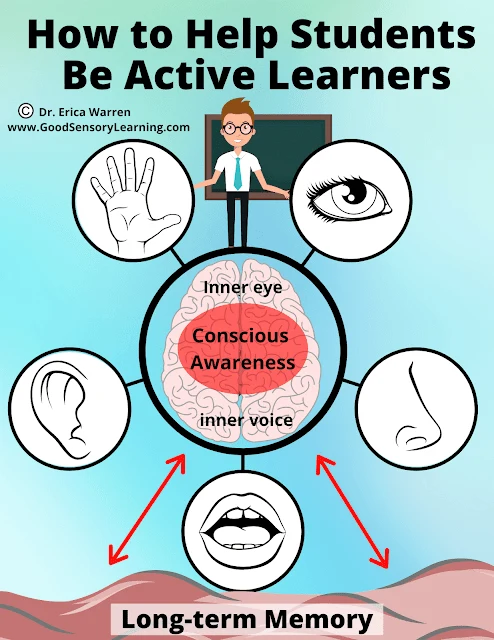
    2. They Strengthen Long-Term Memory

    Students often forget information when they review it only once or depend entirely on rereading.

    Retrieval practice, which involves bringing information to mind without immediately checking the answer, is a useful active learning method. Practice questions, flashcards, and short quizzes can help students strengthen recall and identify gaps in their knowledge.

    Reviewing the answers afterward is important because feedback helps correct misunderstandings.

    3. They Develop Critical Thinking Skills

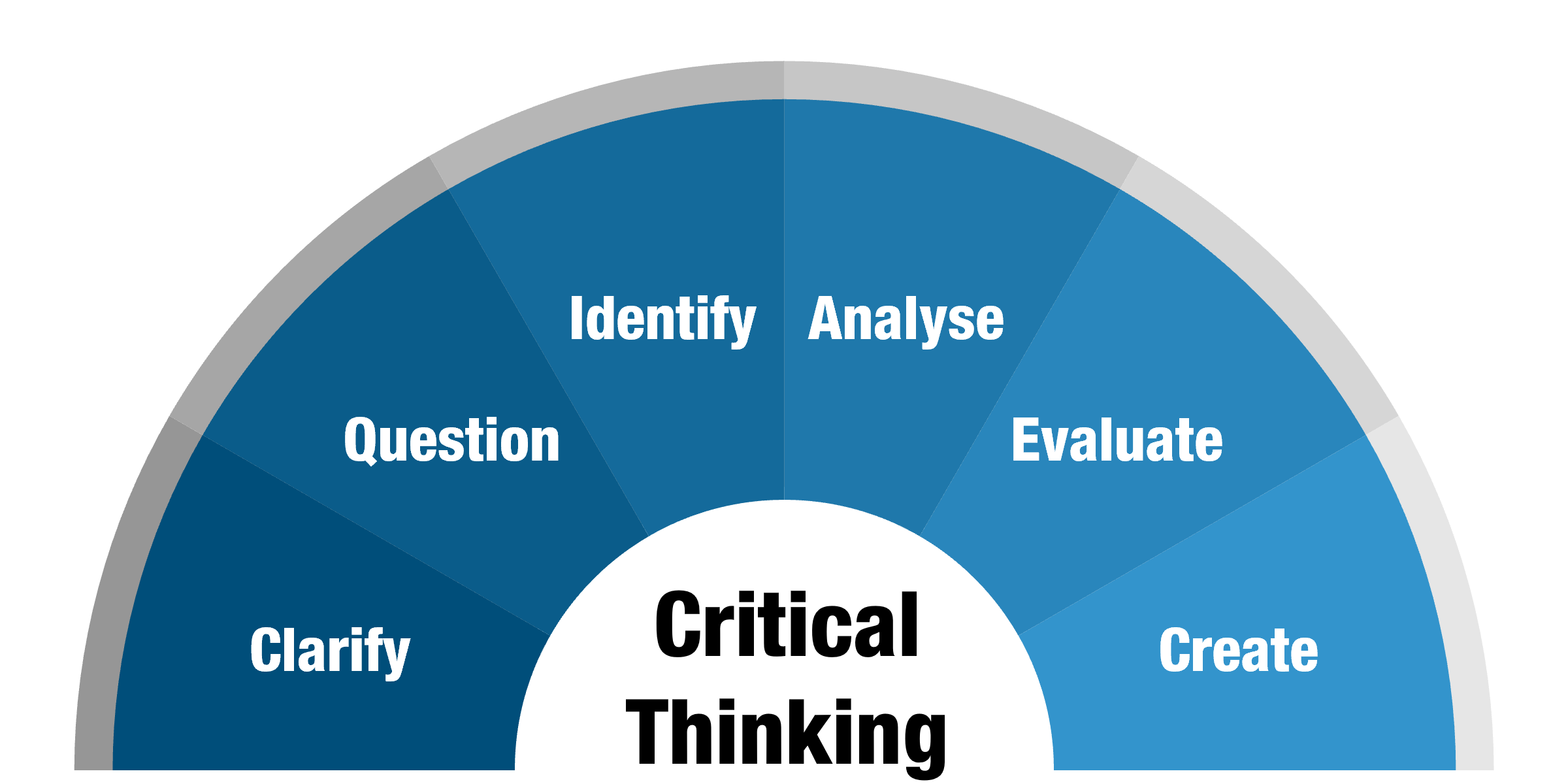
    Active learning encourages students to examine evidence, compare different explanations, evaluate arguments, and make reasoned decisions.

    These skills are useful across academic subjects. A history student may compare competing explanations for an event, while a mathematics student may solve a problem using more than one method.

    Instead of accepting information without examination, students learn to ask why an explanation makes sense and what evidence supports it.

    4. They Improve Problem-Solving Abilities

    Many academic tasks require students to apply knowledge rather than simply repeat definitions.

    Active learning provides opportunities to practice these skills before examinations or real-world situations.

    For example, an engineering student might analyze why a design fails, identify possible causes, and suggest improvements. A business student might evaluate a case study and recommend a solution to a company problem.

    Regular practice helps students become more comfortable approaching unfamiliar challenges.

    5. They Encourage Independent Learning

    Students who regularly test their understanding become better at recognizing their strengths and weaknesses.

    They can identify which topics they understand, which require additional practice, and when they need assistance from an instructor.

    This awareness supports independent learning because students become more capable of planning their own study sessions and choosing appropriate strategies.

    10 Effective Active Learning Techniques for Students

    Students can use several active learning techniques depending on their subject, learning goals, available time, and study environment. The following methods are practical for both classroom learning and independent study.

    1. Retrieval Practice: Test Yourself From Memory

    Retrieval practice involves recalling information without looking at the original material.

    Instead of reading the same chapter several times, close your textbook and try to answer questions about the main ideas.

    For example, after studying a chapter about the human circulatory system, ask yourself:

    • What are the main functions of the circulatory system?
    • How does blood move through the heart?
    • What is the difference between arteries and veins?
    • How does the circulatory system support other organs?

    Write your answers before checking the textbook. Then compare your responses with the correct information and review anything you missed.

    You can use flashcards, blank-page summaries, practice tests, or questions created from your class notes.

    Why it works: Retrieval practice makes you actively reconstruct information and reveals whether you can remember it without prompts.

    Best for: Exam preparation, vocabulary, scientific concepts, historical facts, formulas, and definitions.

    2. Think-Pair-Share: Learn by Discussing Ideas

    Think-Pair-Share is a collaborative technique in which students consider a question individually, discuss their answers with a partner, and then share their ideas with a larger group.

    It encourages participation because students have time to organize their thoughts before speaking.

    A simple process is:

    1. Think: Read a question and develop your own answer.
    2. Pair: Discuss your reasoning with another student.
    3. Share: Present your conclusions and consider other perspectives.

    For example, students studying environmental science might discuss which actions could reduce plastic waste in their community. Each student proposes an idea, explains the reasoning, and compares possible solutions with a partner.

    The goal is not simply to agree with one another. Students should explain their thinking, ask questions, and examine different viewpoints.

    Best for: Classroom discussions, literature, social sciences, ethics, and topics with multiple possible interpretations.

    3. Teach the Concept to Someone Else

    Teaching another person is a useful way to discover whether you understand a subject clearly.

    Choose a concept you have recently studied and explain it to a classmate, family member, or study partner using simple language.

    Try to avoid reading directly from your notes. Instead, explain the idea in your own words and provide an example.

    For instance, a student studying fractions could explain why two-fourths is equal to one-half by using a drawing or a practical example.

    If you cannot explain a particular step, return to your learning material and identify what is missing from your understanding.

    You can also use the technique alone by pretending to teach an imaginary student or recording a short explanation.

    Why it works: Explaining a concept requires you to organize information, identify important details, and connect ideas logically.

    Best for: Complex concepts, mathematics, science, language learning, and examination revision.

    4. Mind Mapping: Connect Related Ideas

    Mind mapping is a visual technique that helps students organize information and understand relationships between concepts.

    To create a mind map, write the main topic in the center of a page. Draw branches for major ideas and add smaller branches for supporting details, examples, and related concepts.

    For example, a mind map about climate change might include greenhouse gases, rising temperatures, environmental impacts, human activities, and possible solutions.

    Students can use words, arrows, short phrases, and simple drawings to show how the ideas connect.

    A mind map should not become a page filled with copied textbook paragraphs. Its purpose is to organize knowledge in a form that is easier to understand and review.

    After creating the map, cover your notes and try to reproduce its main branches from memory.

    Best for: Biology, history, literature, geography, project planning, and subjects with many connected ideas.

    5. Practice Problems: Apply What You Learn

    Solving practice problems is particularly useful when a subject requires students to apply rules, formulas, procedures, or analytical methods.

    Reading a worked example can help you understand a process, but you also need to attempt similar problems independently.

    For mathematics, this might mean solving equations without checking the solution after every step. For chemistry, it could involve balancing chemical equations. For programming, it could mean writing a small program that applies a recently learned concept.

    When you make a mistake, do not simply replace your answer with the correct one. Identify where your reasoning went wrong.

    Ask yourself whether you misunderstood the question, selected the wrong method, made a calculation error, or skipped an important step.

    Best for: Mathematics, physics, chemistry, accounting, programming, and technical subjects.

    6. Case-Based Learning: Solve Real-World Problems

    Case-based learning asks students to apply academic knowledge to realistic situations.

    Instead of studying a concept only in theory, students examine a problem, consider relevant evidence, evaluate alternatives, and develop a possible solution.

    For example, a business student might analyze a company experiencing declining sales. The student could examine customer preferences, pricing, marketing decisions, and competition before recommending a strategy.

    A healthcare student might work through a fictional patient scenario, while an environmental science student could evaluate ways to reduce pollution in a local area.

    A useful case study should encourage students to explain their decisions rather than simply guess the expected answer.

    Best for: Business, healthcare education, law, environmental studies, engineering, and social sciences.

    7. Group Study With Defined Roles

    Group study can become more effective when students work toward a clear goal rather than meeting only to read their notes together.

    Assign each member a role. One student can prepare questions, another can explain difficult concepts, another can check answers, and another can summarize the group’s conclusions.

    For example, a group preparing for a history examination might divide a topic into major events, causes, consequences, and important individuals. Each member explains one section and answers questions from the others.

    Rotate roles during later sessions so that everyone practices different skills.

    Group study works best when all participants contribute and disagreements are resolved by checking reliable course material.

    Best for: Exam preparation, collaborative assignments, language practice, and subjects that benefit from discussion.

    8. The Feynman Technique: Explain Ideas in Simple Language

    The Feynman Technique is a study approach based on explaining a concept as clearly as possible, using simple language and examples.

    Begin by selecting a topic. Write a short explanation as though you were teaching someone who has never studied it before.

    When you encounter complicated wording, unexplained steps, or gaps in your explanation, identify those areas and review them.

    Then rewrite your explanation so that it is clearer and more complete.

    For example, rather than memorizing a complex definition of photosynthesis, explain how plants use light energy to convert water and carbon dioxide into sugars, while releasing oxygen.

    Check your explanation against your textbook or class material to ensure that simplifying the language has not introduced errors.

    Best for: Scientific concepts, theories, difficult readings, and topics that seem easy to recognize but hard to explain.

    9. Question-Based Reading: Read With a Purpose

    Passive reading can make it easy to reach the end of a chapter without remembering its central ideas.

    Question-based reading gives you a specific goal before you begin.

    First, review the chapter title, headings, diagrams, and summary. Then turn the headings into questions.

    For example, if a heading is “Causes of World War I,” ask yourself which political, economic, and social factors contributed to the conflict.

    As you read, look for answers and write short explanations in your own words. After finishing the section, close the book and answer your original questions from memory.

    If a question remains unanswered, return to the relevant section and investigate further.

    Best for: Textbooks, academic articles, history, literature, social sciences, and independent reading assignments.

    10. Reflective Learning: Review What You Understand

    Reflection helps students evaluate their learning process and make better decisions about what to study next.

    At the end of a lesson or study session, take a few minutes to answer three questions:

    • What were the most important ideas I learned?
    • Which concept is still confusing?
    • What should I practice or review next?

    Write short, honest answers. The purpose is to recognize your progress and identify the next step, not to create a long report.

    For example, after a physics lesson, you might understand the basic formula but struggle to determine which values belong in it. Your next study session can focus on identifying variables in practice questions.

    Best for: All subjects, independent learning, project work, and long-term academic improvement.

    How to Choose the Right Active Learning Technique

    Not every technique serves the same purpose. Choose your method based on what you need to learn or improve.

    Learning goalRecommended technique
    Remember facts and definitionsRetrieval practice and flashcards
    Understand difficult conceptsTeaching someone else and the Feynman Technique
    Connect related informationMind mapping
    Improve calculation and application skillsPractice problems
    Develop reasoning and decision-makingCase-based learning
    Explore different viewpointsThink-Pair-Share
    Prepare with classmatesGroup study with defined roles
    Understand textbook chaptersQuestion-based reading
    Identify learning gapsReflective learning

    You can combine multiple methods during a single study session. For example, read a section, create a mind map, answer questions from memory, and explain the most difficult concept to a study partner.

    The best approach depends on the subject and the outcome you want to achieve.

    How to Use Active Learning in Different Subjects

    Active learning becomes more useful when techniques are matched to the demands of each academic discipline.

    Active Learning for Mathematics

    Mathematics requires students to understand procedures and apply them accurately.

    Try solving problems without immediately looking at worked solutions. Explain why each step is necessary, compare different solution methods, and keep a record of recurring mistakes.

    After learning a formula, practice identifying situations in which it should be used.

    Active Learning for Science

    Science students can make predictions, interpret data, draw diagrams, and explain cause-and-effect relationships.

    For example, before studying the results of an experiment, predict what might happen and explain why. After examining the evidence, compare the results with your prediction.

    This process encourages students to connect scientific concepts with observations.

    Active Learning for History and Social Sciences

    Use timelines, compare competing explanations, analyze primary sources, and explain relationships between causes and consequences.

    Instead of memorizing dates alone, ask why an event happened, which factors influenced it, and how its effects differed among groups of people.

    Active Learning for Language Learning

    Language students benefit from producing and using the language rather than only reading rules.

    Practice recalling vocabulary, writing original sentences, summarizing short passages, listening actively, and speaking with a partner.

    Review mistakes and reuse unfamiliar words in different contexts.

    Active Learning for Online Courses

    Online students can use active learning even without a physical classroom.

    Pause recorded lessons to summarize important points, answer questions before checking the instructor’s explanation, complete practice activities, and discuss difficult concepts with classmates.

    After finishing an online module, write down what you learned and identify which topics need further review.

    How Teachers Can Encourage Active Learning in the Classroom

    Teachers play an important role in creating opportunities for students to participate meaningfully in their education.

    Ask Questions That Require Reasoning

    Questions that ask students to explain, compare, predict, or justify an answer can encourage deeper thinking than questions requiring only simple recall.

    For example, after explaining a scientific process, a teacher might ask students to predict what would happen if one condition changed.

    Include Short Activities During Lessons

    Teachers can break up longer explanations with brief activities such as individual reflection, paired discussion, short quizzes, or problem-solving exercises.

    These activities allow students to process information and reveal misconceptions before moving to the next topic.

    Encourage Students to Explain Their Reasoning

    When students provide an answer, ask them how they reached their conclusion.

    This helps reveal whether they understand the underlying idea or have simply memorized a response.

    It also gives teachers useful information about which concepts need additional explanation.

    Provide Constructive Feedback

    Students need opportunities to check their understanding and correct mistakes.

    Feedback should identify what is accurate, explain what needs improvement, and offer a useful next step.

    A classroom environment in which students can ask questions and learn from mistakes encourages participation and intellectual growth.

    Make Activities Accessible to Different Learners

    Some students may feel comfortable speaking in front of a class, while others may need time to write their ideas first.

    Combining individual reflection, written responses, paired discussion, and group activities gives students different ways to participate.

    Clear instructions and realistic time limits also help students understand what is expected.

    Common Active Learning Mistakes to Avoid

    Active learning is most useful when activities are connected to clear learning goals. Simply adding more tasks to a study session does not automatically improve understanding.

    1. Mistaking Activity for Learning

    Highlighting every sentence, copying notes, or repeatedly rewriting definitions may feel productive without revealing whether you understand the material.

    Include tasks that require you to recall, explain, apply, or evaluate information.

    2. Skipping Feedback

    Attempting practice questions is helpful, but repeatedly practicing incorrect answers can reinforce misunderstandings.

    Check your responses, review explanations, and ask for help when necessary.

    3. Choosing Techniques That Do Not Match Your Goal

    Mind maps can help organize related ideas, but they may not provide enough practice for a mathematics examination.

    Similarly, flashcards can help with terminology but may not fully prepare you to evaluate a complex argument.

    Choose methods that match the knowledge or skill you need to develop.

    4. Trying Too Many Techniques at Once

    Using several new study methods simultaneously can make it difficult to determine which ones are helpful.

    Begin with one or two techniques and use them consistently. Add other methods as you become comfortable.

    5. Ignoring Difficult Topics

    Students may repeatedly practice material they already understand because it feels easier and more rewarding.

    Use practice questions and reflection to identify weak areas. Give those topics additional attention while continuing to review familiar material.

    A Simple 30-Minute Active Learning Study Routine

    Students who want to begin using active learning can start with a short, structured session.

    Minutes 1–5: Set a goal.

    Choose one specific concept or topic. Decide what you want to understand or be able to explain by the end of the session.

    Minutes 6–12: Study the material.

    Read a short section, review class notes, or watch part of a lesson. Focus on the main ideas rather than trying to memorize every detail immediately.

    Minutes 13–20: Recall and explain.

    Close your materials and write down what you remember. Explain the concept in your own words or draw a diagram showing the relationships between ideas.

    Minutes 21–26: Apply your knowledge.

    Answer practice questions, solve a problem, or create an example that demonstrates the concept.

    Minutes 27–30: Check and reflect.

    Compare your answers with the learning material. Correct mistakes and write down one topic you should review in your next session.

    You can repeat this routine for different subjects or extend the time when a topic requires more practice.

    Frequently Asked Questions

    1. What are the best active learning techniques for students?

    Useful techniques include retrieval practice, Think-Pair-Share, teaching concepts to others, mind mapping, practice problems, case-based learning, question-based reading, and reflective learning. The best choice depends on the subject and your learning objective.

    2. How does active learning improve student understanding?

    Active learning encourages students to recall information, explain ideas, apply concepts, and identify mistakes. These activities provide opportunities to connect new knowledge with what students already know and correct misunderstandings through feedback.

    3. Is active learning better than passive learning?

    Active learning can be particularly useful for developing understanding, applying knowledge, and checking what you remember. Listening to explanations and reading textbooks can still be valuable, especially when learning unfamiliar material. Combining clear instruction with active practice is often a practical approach.

    4. Can students use active learning at home?

    Yes. Students can test themselves, explain concepts aloud, solve practice problems, create mind maps, summarize readings, and review their mistakes independently. These activities do not require a classroom or a study group.

    5. How can active learning help students prepare for exams?

    Active learning helps students identify knowledge gaps and practice using information before an examination. Retrieval practice, practice tests, explaining difficult concepts, and solving subject-specific problems can make revision more purposeful.

    6. How long should students spend on active learning?

    There is no single ideal duration. A student might begin with a 20- or 30-minute session and adjust according to the difficulty of the material, available time, and concentration level. Consistent practice and clear goals matter more than following a fixed duration.

    7. Does active learning work for online education?

    Yes. Online students can pause lessons to answer questions, complete interactive exercises, participate in discussion groups, explain concepts in writing, and test their knowledge without referring to their notes.

    8. What is the difference between active learning and memorization?

    Memorization focuses on retaining information, while active learning includes activities that require students to engage with and use that information. Memorization can be one part of learning, but explaining concepts, solving problems, and applying knowledge help students develop a broader understanding.

    Conclusion

    Active learning helps students become participants in their education rather than relying entirely on reading, listening, or memorizing information. By recalling ideas, explaining concepts, solving problems, discussing questions, and reflecting on mistakes, learners can develop a clearer understanding of their subjects.

    The most effective active learning techniques for students are those that match their learning goals. Retrieval practice can support recall, mind mapping can organize connected ideas, teaching others can reveal gaps in understanding, and practice problems can strengthen application skills.

    You do not need to use every technique at once. Begin with one method, apply it to a current subject, and review whether it helps you understand the material more clearly.

    The key to effective learning is not simply spending more time studying. It is using that time to think, practice, question, and apply what you learn.

  • How to Overcome Procrastination in Academic Life

    How to Overcome Procrastination in Academic Life

    Academic success depends on more than intelligence or natural ability. Students also need effective study habits, consistent effort, and the ability to complete important tasks on time. However, many students struggle with procrastination, which can make assignments, exam preparation, and daily learning more stressful than necessary.

    Learning how to overcome academic procrastination can help students become more organized, improve their productivity, and approach their studies with greater confidence. Procrastination often happens when a task feels difficult, boring, overwhelming, or uncomfortable. Instead of getting started, students may check their phones, watch videos, or complete less important activities.

    Although delaying academic work can provide temporary relief, it often creates additional pressure as deadlines approach. The good news is that procrastination is a habit that students can work to change through realistic goals, better planning, and consistent practice.

    This guide explains why students procrastinate, how procrastination affects academic performance, and which practical strategies can help learners build healthier and more productive study routines.

    What Is Academic Procrastination?

    Academic procrastination is the habit of unnecessarily delaying school or university responsibilities even when you understand that postponing them may create problems later.

    It can involve putting off homework, avoiding difficult reading assignments, delaying exam preparation, or waiting until the last minute to begin a research paper.

    For example, a university student may have two weeks to complete an essay but spend the first several days watching videos or browsing social media. When the deadline approaches, the student may rush through research and writing, resulting in unnecessary stress and weaker work.

    Academic procrastination is not always caused by laziness. It can be connected to fear of failure, perfectionism, low motivation, uncertainty about how to begin, or difficulty managing uncomfortable emotions.

    Understanding the reason behind procrastination is an important first step toward changing it.

    Why Do Students Procrastinate?

    Students procrastinate for different reasons. Identifying the specific cause can make it easier to choose a strategy that works.

    1. Fear of Failure

    Some students delay assignments because they are afraid of making mistakes or receiving poor grades. They may worry that their work will not meet expectations, so they avoid starting altogether.

    Unfortunately, delaying the task does not remove the challenge. It usually leaves less time to complete the work carefully.

    A more helpful approach is to treat assignments as opportunities to learn rather than tests of personal worth. Mistakes can show you what needs improvement.

    2. Perfectionism

    Perfectionism can make students believe that every assignment must be excellent from the beginning. They may spend too much time planning, wait for the perfect idea, or avoid writing because they cannot produce an ideal first draft.

    Instead of aiming for perfection immediately, focus on creating a workable first version. You can revise your writing, correct mistakes, and improve your arguments later.

    Progress usually begins with an imperfect first step.

    3. Feeling Overwhelmed

    Large assignments can feel difficult when students think about everything they need to accomplish at once.

    For example, completing a research paper may require selecting a topic, finding sources, reading articles, organizing notes, writing several sections, and proofreading the final draft.

    Thinking about all these responsibilities simultaneously can make it harder to begin.

    Breaking a large project into smaller tasks makes the work more manageable and provides clear starting points.

    4. Lack of Motivation

    Some academic tasks are naturally less interesting than others. Students may find it difficult to focus on subjects they dislike or assignments that seem unrelated to their personal goals.

    Motivation also changes from day to day. Waiting until you feel motivated can therefore lead to repeated delays.

    Rather than relying entirely on motivation, establish a simple routine that helps you begin working even when you do not feel enthusiastic.

    5. Digital Distractions

    Smartphones, social media, games, and entertainment platforms can interrupt concentration. A student may intend to check one notification but end up spending much longer browsing unrelated content.

    These distractions can make academic work seem even less appealing because entertainment provides immediate stimulation while studying often requires sustained effort.

    Creating a distraction-free study environment can help students protect their attention.

    How to Overcome Academic Procrastination: 10 Practical Strategies

    Overcoming procrastination does not require changing every habit overnight. Start with a few manageable adjustments and build a routine that fits your schedule.

    1. Break Large Assignments Into Smaller Tasks

    One of the most practical ways to overcome academic procrastination is to divide a large assignment into specific, achievable steps.

    Instead of writing “complete research paper” on your to-do list, create smaller tasks such as:

    • Choose a research topic.
    • Develop a research question.
    • Find three relevant academic sources.
    • Read the sources and take notes.
    • Prepare an outline.
    • Write the introduction.
    • Complete the main sections.
    • Revise and proofread the paper.

    Each task should be clear enough that you know exactly what to do when you sit down to study.

    Small steps reduce the mental pressure associated with large projects. They also help you recognize progress, which can make it easier to continue.

    2. Use the Five-Minute Rule

    Starting is often harder than continuing. If you keep postponing a task, commit to working on it for just five minutes.

    For example, open your assignment, read the instructions, and write a few sentences. If you are studying for an exam, review one concept or solve one practice question.

    After five minutes, you can decide whether to continue. You may find that beginning the task makes it easier to keep going.

    Even when you stop after five minutes, you have taken action instead of avoiding the work completely.

    Use this technique when you feel stuck, overwhelmed, or unsure how to begin.

    3. Create a Realistic Study Schedule

    A study schedule helps you decide when academic tasks will happen instead of leaving them until you have free time.

    Start by listing your classes, assignment deadlines, examinations, work commitments, and personal responsibilities. Then identify suitable study periods throughout the week.

    For example, you could reserve Monday afternoon for reading, Tuesday evening for mathematics practice, and Wednesday morning for writing an assignment.

    Make your schedule realistic. If you are tired in the morning, do not build your entire study routine around early hours simply because they work for someone else.

    Include breaks and leave some flexibility for unexpected responsibilities.

    A useful schedule is not one that fills every minute. It is one that helps you complete important work consistently.

    4. Set Specific and Achievable Goals

    Vague goals make it difficult to measure progress. A goal such as “study biology today” does not explain what you should accomplish or when the task will be finished.

    A more useful goal would be “review the chapter on cell division and answer ten practice questions before 4 p.m.”

    Effective academic goals should be specific, measurable, and realistic.

    At the beginning of each study session, identify one main task and two smaller priorities. Complete the most important work before moving to less urgent activities.

    Avoid creating an extremely long to-do list that becomes discouraging. A short list of achievable tasks can be more useful than an ambitious plan you cannot maintain.

    5. Eliminate Common Distractions

    Your environment can either support concentration or make procrastination easier.

    Before studying, prepare the materials you need and reduce interruptions as much as possible.

    Try these practical steps:

    • Put your phone in another room or out of reach.
    • Turn off unnecessary notifications.
    • Close unrelated browser tabs.
    • Choose a quiet and comfortable study location.
    • Keep your desk organized.
    • Let other people know when you need uninterrupted time.

    If you must use your phone or computer for academic work, decide which applications and websites are necessary before you begin.

    You do not need a perfect study environment. The goal is to make focusing easier and distracting yourself less convenient.

    6. Try the Pomodoro Technique

    The Pomodoro Technique divides work into focused sessions followed by short breaks. It can help students approach demanding tasks without feeling that they must concentrate for several hours at once.

    A simple version works like this:

    1. Choose one specific academic task.
    2. Set a timer for 25 minutes.
    3. Work on that task without distractions.
    4. Take a five-minute break.
    5. Repeat the cycle as needed.
    6. After several sessions, take a longer break.

    You can adjust the session length to suit your attention span and the difficulty of the task. Some students prefer shorter sessions, while others work better for 40 or 50 minutes before taking a break.

    The key is to work on one priority during each session rather than switching constantly between tasks.

    7. Stop Waiting for the Perfect Mood

    Many students delay academic work because they believe they need to feel motivated, energetic, or inspired before beginning.

    However, motivation does not always come first. Sometimes, taking a small action helps create the momentum needed to continue.

    For example, if you do not feel like writing an essay, begin by listing three possible arguments. If studying feels difficult, review your notes for five minutes.

    You can also connect an academic task to a larger goal. Completing a difficult assignment may help you develop knowledge, improve a skill, or progress toward a qualification.

    Remind yourself that you do not need to finish everything immediately. You only need to take the next useful step.

    8. Set Personal Deadlines Before Official Deadlines

    Waiting until the official submission date can create unnecessary pressure, particularly when an assignment involves several stages.

    Set your own deadlines ahead of time.

    For example, if an assignment is due on Friday, aim to complete the first draft by Tuesday and finish revisions by Thursday.

    Divide the available time according to the work involved. Leave room for unexpected problems, additional research, or corrections.

    Personal deadlines are most effective when they appear in your calendar and are connected to specific tasks.

    This approach also gives you time to ask your instructor questions or seek assistance if you discover that you do not understand an important part of the assignment.

    9. Reward Progress and Practice Self-Compassion

    Changing a procrastination habit takes effort. Recognizing progress can help you maintain a new routine.

    After completing a difficult task, take a short break, enjoy a favorite activity, or spend time with friends. Choose rewards that help you relax without making it difficult to return to your work.

    It is equally important to avoid excessive self-criticism when you procrastinate.

    If you lose an hour to social media, criticizing yourself for the rest of the day will not recover that time. Instead, identify what caused the distraction and choose one small action to get back on track.

    Ask yourself: “What can I do in the next ten minutes to make progress?”

    This question directs your attention toward action rather than regret.

    10. Ask for Help When You Need It

    Sometimes, procrastination continues because a student does not understand the material or knows that an assignment requires skills they have not yet developed.

    For example, you may delay writing a paper because you are uncertain how to structure an argument. You might avoid mathematics homework because you cannot solve a particular type of problem.

    In these situations, better planning alone may not solve the problem.

    Consider asking your instructor for clarification, attending tutoring sessions, discussing difficult concepts with classmates, or joining a study group.

    Getting help early can make an intimidating task more manageable and prevent confusion from accumulating.

    If procrastination becomes persistent and seriously affects your academic progress or well-being, consider seeking support from a qualified counselor or student support service.

    How to Overcome Procrastination When Studying for Exams

    Exam preparation can become stressful when students delay reviewing their material until the final days before a test.

    A more effective approach is to study in shorter sessions over several days.

    Start Reviewing Early

    Begin reviewing course material soon after it is taught. Regular review helps you identify topics that need more attention before an examination approaches.

    You do not need to study every subject for hours each day. Even a short, focused review can help you stay familiar with important concepts.

    Use Active Recall

    Instead of repeatedly reading your notes, close your book and try to explain the main ideas from memory.

    You can use flashcards, practice questions, blank-page summaries, or verbal explanations.

    Active recall helps you identify what you know and what still needs work.

    Practice Difficult Questions

    Students sometimes avoid challenging topics because struggling with them feels uncomfortable. However, ignoring difficult questions can leave important gaps in your preparation.

    Identify the concepts you find most challenging and practice them in manageable sessions. If you remain confused, seek help rather than repeatedly postponing the topic.

    Make a Revision Plan

    Divide your syllabus into topics and assign each one a study session. Include time for practice questions, review, and rest.

    A revision plan reduces uncertainty because you know what to study next. It also helps prevent spending too much time on familiar material while neglecting weaker areas.

    A Simple Seven-Day Plan to Reduce Academic Procrastination

    Students who want to change their habits can begin with a one-week plan. The goal is to build consistency rather than achieve perfection immediately.

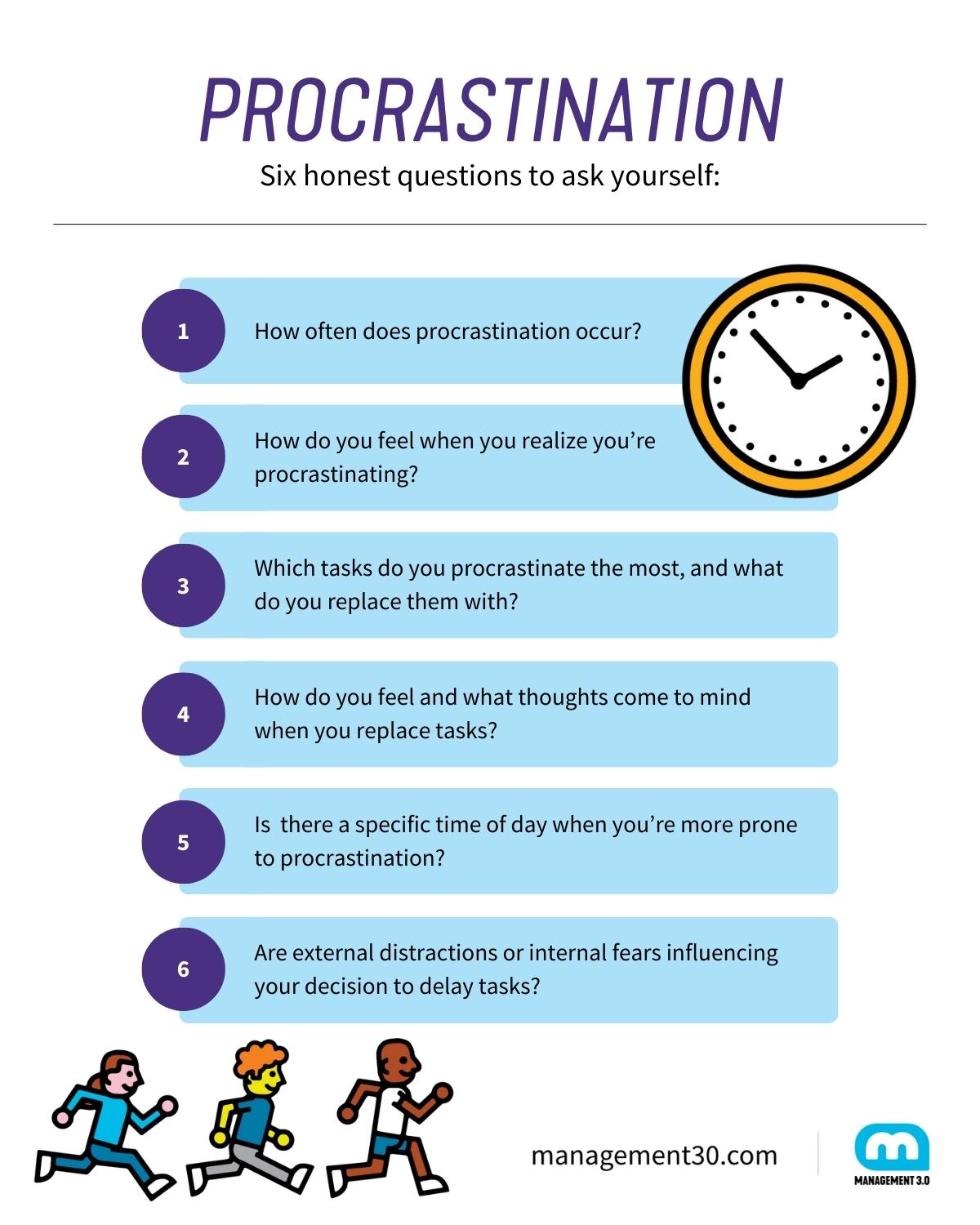
    Day 1: Identify your procrastination triggers. Write down which tasks you delay, what you do instead, and how you feel before avoiding the work.

    Day 2: Choose one priority. Select an assignment or subject you have been postponing and divide it into smaller steps.

    Day 3: Use the five-minute rule. Start your chosen task for five minutes without expecting yourself to finish it immediately.

    Day 4: Create a study schedule. Choose realistic study periods for the next several days and add your most important deadlines.

    Day 5: Remove one major distraction. Put your phone away, block an unhelpful website, or move to a quieter study location.

    Day 6: Complete a focused study session. Use a timer, work on one task, and take a planned break afterward.

    Day 7: Review your progress. Identify which strategies helped, what made studying difficult, and what you want to change next week.

    At the end of the week, keep the techniques that worked for you and adjust the ones that did not. If you miss a day, continue with the next step rather than abandoning the plan.

    Common Mistakes to Avoid When Fighting Procrastination

    Students can unintentionally make procrastination worse by setting unrealistic expectations or relying on strategies that do not address the actual problem.

    Making an Unrealistic Schedule

    Planning to study for six hours every evening may not be practical if you have classes, work, family responsibilities, or other commitments.

    Start with a schedule you can maintain. Increase your study time gradually when necessary.

    Trying to Complete Everything at Once

    Attempting to finish several assignments in one sitting can create exhaustion and make it harder to concentrate.

    Prioritize tasks and work through them in manageable stages.

    Waiting Until You Feel Motivated

    Motivation naturally changes. If you always wait until you feel ready, you may delay important work repeatedly.

    Use small actions and scheduled study periods to make starting easier.

    Treating Every Setback as Failure

    One unproductive afternoon does not mean you cannot improve your habits.

    Look at setbacks as information. Perhaps your task was too large, your study session was too long, or your environment was distracting. Adjust your approach and try again.

    Ignoring Rest and Well-Being

    Sometimes, what looks like procrastination is related to exhaustion, stress, or an overloaded schedule.

    Sleep, breaks, physical activity, and reasonable expectations can support concentration. If you are consistently exhausted, review your workload instead of assuming that you simply need more discipline.

    How to Stay Consistent and Build Better Study Habits

    Long-term improvement comes from repeating manageable actions rather than relying on occasional bursts of effort.

    To build consistency, choose a regular time and place for studying whenever possible. Begin each session by reviewing your priorities, then work on one clearly defined task.

    Track your progress with a simple checklist or calendar. Seeing completed tasks can help you recognize your effort and identify patterns in your routine.

    You can also arrange study sessions with a classmate or tell someone about a deadline. This creates accountability and may make it easier to follow through on your plans.

    Most importantly, focus on building a routine that fits your real circumstances. A sustainable study habit is more valuable than an ambitious schedule that lasts only a few days.

    If a particular technique does not work, experiment with another. Some students benefit from short timed sessions, while others prefer longer periods of uninterrupted concentration. The best approach is one that helps you begin tasks, remain focused, and complete your work reliably.

    Frequently Asked Questions

    1. How can I overcome academic procrastination quickly?

    Start by choosing one task and identifying its smallest useful first step. Set a timer for five minutes, remove distractions, and begin working. You do not need to complete the entire assignment immediately. Focus on making progress.

    2. Why do I procrastinate even when I know my deadlines?

    Procrastination can be connected to fear of failure, perfectionism, frustration, low motivation, or feeling overwhelmed. Knowing a deadline is approaching does not automatically remove the discomfort associated with starting a task. Identifying the reason for your delay can help you choose a more effective strategy.

    3. What is the best method for avoiding procrastination while studying?

    There is no single method that works for everyone. Breaking assignments into smaller tasks, setting realistic goals, scheduling study sessions, and reducing distractions are useful starting points. Experiment with these techniques to discover which combination suits your needs.

    4. Does procrastination affect academic performance?

    Persistent procrastination can reduce the time available for research, practice, revision, and proofreading. It may also increase deadline-related stress. Completing tasks earlier can give students more opportunities to understand material, correct mistakes, and prepare carefully.

    5. How can students stop procrastinating on homework?

    Students can begin by writing down their homework tasks, estimating how long each one may take, and selecting a clear starting point. Working in focused sessions and taking planned breaks can make homework more manageable. Asking for help when instructions are unclear can also prevent unnecessary delays.

    6. How can I stop procrastinating if I have no motivation?

    Do not wait for motivation to appear. Begin with a small action, such as reading one page, solving one question, or outlining a paragraph. Connecting the task to a personal goal and rewarding progress may also help you maintain momentum.

    7. Is procrastination always caused by laziness?

    No. Procrastination can result from emotional discomfort, perfectionism, uncertainty, distractions, or an unrealistic workload. Understanding these factors is often more helpful than labeling yourself as lazy.

    8. How long does it take to overcome academic procrastination?

    The time required varies from person to person. Some students notice improvements after making a few practical changes, while others need more time to develop consistent habits. Regular practice, realistic goals, and learning from setbacks can support gradual progress.

    Conclusion

    Learning how to overcome academic procrastination begins with understanding why you delay important tasks and making it easier to take action. Fear of failure, perfectionism, overwhelming assignments, and digital distractions can all contribute to the problem, but practical strategies can help students manage these challenges.

    Start by breaking large assignments into smaller steps, setting realistic goals, creating a study schedule, and removing unnecessary distractions. Use short study sessions when starting feels difficult, ask for help when you need it, and recognize progress instead of expecting perfection.

    You do not have to change every habit in a single day. Choose one strategy, practice it consistently, and adjust your approach as you learn what works best.

    The most important step is to begin. Small, consistent actions can help you develop better study habits, manage academic responsibilities more confidently, and make steady progress toward your educational goals.

  • How to Take Better Lecture Notes and Remember More

    How to Take Better Lecture Notes and Remember More

    Taking effective lecture notes is an essential academic skill that can help students understand difficult subjects, organize important information, and prepare for exams with greater confidence. Whether you are attending university lectures, participating in online classes, or studying for professional qualifications, the way you record and review information can influence how well you learn.

    However, good note-taking does not mean writing down every word your instructor says. The real goal is to identify important ideas, understand how concepts connect, and create notes that are easy to review later.

    Many students spend hours copying information from presentations or textbooks but still struggle to remember it during examinations. This often happens because collecting information is only one part of the learning process. Students also need to organize, understand, retrieve, and apply what they learn.

    By developing effective lecture note-taking techniques, you can make your study sessions more productive, identify gaps in your understanding, and build a reliable system for long-term learning.

    This guide explains practical note-taking methods, useful tools, common mistakes to avoid, and strategies for remembering more of what you learn.

    Why Is Effective Lecture Note-Taking Important?

    Lecture notes provide a personal record of the ideas, explanations, examples, and questions discussed during class. Unlike a textbook, your notes can focus on the concepts your instructor emphasizes and the areas you find difficult.

    Well-organized notes can also reduce the time you spend searching through different learning materials when preparing for assignments and examinations.

    Here are some important benefits of effective note-taking.

    1. Improves Understanding

    Writing a concept in your own words encourages you to process its meaning instead of simply copying information.

    For example, rather than copying a complicated definition from a science lecture, explain the concept in simple language and include an example. This helps you identify whether you genuinely understand the material.

    2. Makes Exam Preparation Easier

    Organized notes allow you to review important definitions, formulas, examples, and relationships without rereading entire chapters.

    When your notes contain clear headings, summaries, and practice questions, you can quickly identify which topics need more attention.

    3. Helps You Identify Knowledge Gaps

    Marking confusing ideas with a question mark or writing down questions during class gives you a practical way to identify what you do not understand.

    You can then revisit the textbook, review permitted lecture materials, or ask your instructor for clarification.

    4. Encourages Active Learning

    Taking notes thoughtfully requires you to listen, evaluate information, recognize patterns, and decide which ideas matter most.

    This turns a lecture into an active learning experience rather than a session in which you simply receive information.

    5. Supports Long-Term Memory

    Notes become more useful when you review them through self-testing and revisit important material over time. These activities help you practise retrieving information instead of relying entirely on recognition.

    The key is to combine good note-taking with an effective revision routine.

    1. Prepare Before the Lecture Starts

    Effective note-taking begins before class. Preparing for a lecture gives you a basic understanding of the subject and helps you recognize important information more quickly.

    Review Previous Lessons

    Spend a few minutes reviewing the main ideas from your previous lecture. This refreshes your memory and helps you connect new information with what you already know.

    For example, if your next mathematics class covers quadratic equations, review the relevant algebraic concepts first.

    Preview the Topic

    If your instructor provides lecture slides, assigned readings, or a syllabus, look through them before class.

    You do not need to understand every detail in advance. Focus on headings, unfamiliar terms, learning objectives, and the general structure of the lesson.

    This preparation creates a framework for organizing your notes.

    Prepare Your Materials

    Choose a notebook, tablet, or digital note-taking application that suits your learning needs.

    Keep your materials organized by subject and date. If you use digital notes, create separate folders for each course and label individual lectures clearly.

    At the top of each page or document, include the lecture title and date. This simple habit makes your notes easier to find when you need them.

    2. Focus on Main Ideas Instead of Writing Everything

    One of the most common note-taking mistakes is trying to record every sentence spoken by the instructor.

    When you concentrate entirely on writing or typing, you may miss explanations, examples, and connections between ideas.

    Instead, listen carefully and identify the information that helps you understand the topic.

    Recognize Important Information

    Pay particular attention when your instructor:

    • Introduces a new concept or important definition.
    • Explains a process or method step by step.
    • Repeats a key idea or emphasizes its significance.
    • Compares different theories, methods, or concepts.
    • Provides an example that clarifies a difficult subject.
    • Explains a relationship between causes and consequences.
    • Discusses assignment requirements or examination topics.

    These clues can help you decide which information deserves space in your notes.

    Use Short Phrases and Abbreviations

    You do not need to write complete sentences for every point. Short phrases can capture essential information more quickly.

    For example, instead of writing a long explanation of photosynthesis, you might record:

    Photosynthesis: Plants use sunlight, carbon dioxide, and water to produce glucose and oxygen.

    You can expand the explanation later if necessary.

    Use abbreviations consistently, but make sure you will understand them when you review your notes days or weeks later.

    3. Choose a Note-Taking Method That Fits Your Learning Needs

    Different note-taking methods organize information in different ways. The best approach depends on the subject, lecture structure, and type of information you need to remember.

    The Cornell Note-Taking Method

    The Cornell method divides a page into three sections:

    • Notes column: Record key ideas and explanations during the lecture.
    • Cue column: Add questions, keywords, and memory prompts after class.
    • Summary section: Write a brief summary of the main ideas at the bottom.

    For example, if you are studying psychology, your notes column might explain classical conditioning. The cue column could contain the question, “What is classical conditioning?” The summary section would explain the concept in a few sentences.

    During revision, cover the notes column and answer the questions from memory.

    This method is especially useful because it transforms ordinary lecture notes into a self-testing resource.

    The Outline Method

    The outline method organizes information using headings, subheadings, and supporting details.

    For example:

    Topic: Renewable Energy

    • Solar energy
      • Uses sunlight to generate electricity.
      • Depends on available sunlight and suitable equipment.
    • Wind energy
      • Uses wind turbines to generate electricity.
      • Depends on local wind conditions.
    • Hydropower
      • Uses moving water to generate electricity.
      • Requires suitable water resources and infrastructure.

    This method works well for subjects with clearly defined topics and subtopics, including history, business, literature, and social sciences.

    The Charting Method

    The charting method organizes information into columns, making it easier to compare concepts.

    For example, a student studying research methods could use a table like this:

    Research methodMain purposeKey characteristic
    SurveyCollect responses from participantsCan gather information from many people
    InterviewExplore individual experiencesProvides detailed responses
    ExperimentTest a hypothesis under controlled conditionsExamines relationships between variables

    Charting is useful for comparisons, classifications, dates, characteristics, and other information that follows repeated categories.

    The Mind Mapping Method

    Mind mapping places a central topic in the middle of a page and connects it to related ideas through branches.

    For example, a mind map about climate change might include causes, environmental effects, economic consequences, and possible solutions.

    This approach helps students visualize relationships between concepts and organize information that does not follow a simple linear structure.

    Mind maps can be particularly useful for brainstorming, reviewing broad topics, and planning essays or presentations.

    The Sentence Method

    The sentence method involves recording important ideas as short, numbered sentences.

    It can be useful when a lecturer presents information quickly or moves between topics without a clear outline.

    However, avoid writing down every spoken sentence. Focus on important explanations, facts, examples, and conclusions.

    Practical tip: Try different methods in different classes. Choose the approach that makes your notes easiest to understand, remember, and review.

    4. Write Notes in Your Own Words

    Copying information word for word may seem convenient, but it does not always help you understand the material.

    Whenever possible, explain concepts in language that makes sense to you while preserving their original meaning.

    For example, if your economics lecturer explains opportunity cost, you could write:

    “Opportunity cost is the value of the best alternative given up when making a decision.”

    Then add an example:

    “If I spend two hours watching a movie instead of studying, my opportunity cost may be the study time I gave up.”

    Combining a definition with an example makes the concept easier to understand and apply.

    However, preserve exact wording when accuracy is essential, such as in mathematical formulas, scientific terminology, technical definitions, or direct quotations. When recording a quotation from a source, clearly distinguish it from your own explanation and record the source details when needed.

    5. Organize Notes With Headings, Symbols, and Visuals

    Your notes should be easy to scan and understand. A page filled with long paragraphs can make revision more difficult.

    Use simple visual organization to separate important information.

    Add Clear Headings

    Give each major topic a heading and use subheadings for smaller ideas.

    For example, a biology lecture might include headings for cell structure, cell functions, and cellular respiration.

    A consistent structure makes it easier to locate specific information when reviewing a large amount of material.

    Use Symbols Consistently

    A small set of symbols can help you identify important points quickly.

    • * — Important concept
    • ? — Unclear information or a question
    • ! — Key reminder
    • → — Cause, result, or next step
    • vs. — Comparison

    Avoid using too many symbols or changing their meanings between lectures.

    Include Diagrams and Examples

    Some ideas are easier to understand visually than through written explanations alone.

    Use flowcharts for processes, timelines for historical events, labeled diagrams for scientific concepts, and graphs for numerical relationships.

    Make sure visual elements are clearly labeled so that you can understand them later without needing to revisit the original lecture.

    6. Decide Whether to Take Notes by Hand or Digitally

    Both handwritten and digital notes can be effective. The right choice depends on your course, preferences, accessibility needs, and how you use your notes afterward.

    Benefits of Handwritten Notes

    Handwriting may encourage you to summarize information because it is often slower than typing. It can also be useful for drawing diagrams, solving equations, and working through complicated ideas.

    However, handwritten notes can be difficult to search, reorganize, or share unless you keep them carefully organized.

    Benefits of Digital Notes

    Digital notes make it easy to search for keywords, rearrange sections, insert images, and back up files.

    They can be particularly useful for courses with extensive reading materials or frequently updated information.

    The main challenge is distraction. Notifications, social media, and unrelated browser tabs can interrupt your concentration.

    Which Option Should You Choose?

    SituationSuitable option
    Mathematics and handwritten calculationsPaper or a digital stylus
    Large courses with searchable informationDigital notes
    Diagrams and concept mapsPaper, tablet, or mapping software
    Collaborative group projectsShared digital documents
    Lectures with many definitionsHandwritten or digital notes

    Neither format is automatically best for every student. Focus on understanding the material, organizing information, and reviewing it actively.

    7. Review Your Notes Soon After Class

    Taking notes without reviewing them can leave important ideas unclear and make examination preparation more difficult.

    Set aside a short period after each lecture to improve your notes while the material is still fresh in your mind.

    Fill in Missing Details

    Correct incomplete sentences, expand unclear abbreviations, and add explanations where necessary.

    If you missed an important point, consult your textbook or permitted course materials instead of guessing.

    Identify Important Concepts

    Mark key definitions, formulas, processes, and relationships. Use highlighting selectively so that it draws attention to genuinely important information.

    Remember that highlighting alone does not prove understanding. Follow it with a question or try explaining the concept from memory.

    Write a Short Summary

    At the end of each lecture, summarize the main ideas in three to five sentences.

    Ask yourself:

    • What was the main topic?
    • Which concepts were most important?
    • How do the ideas connect?
    • What remains unclear?
    • What might I need to practise before the examination?

    This short review helps turn your notes into a structured learning resource.

    8. Use Active Recall to Remember More

    Active recall is the practice of retrieving information from memory instead of simply rereading it.

    It is one of the most useful ways to turn lecture notes into a tool for learning and examination preparation.

    Turn Headings Into Questions

    Convert your notes into questions that require you to explain the information.

    For example:

    • What are the main stages of cellular respiration?
    • How does supply and demand affect market prices?
    • What caused a particular historical event?
    • What are the differences between qualitative and quantitative research?

    Try answering each question before checking your notes.

    Explain Concepts Without Looking

    Close your notebook and explain the topic aloud or write down everything you remember on a blank page.

    Then compare your explanation with your original notes.

    This process helps you identify gaps in your knowledge and decide which concepts require further study.

    Use Flashcards for Important Facts

    Flashcards can be useful for vocabulary, formulas, dates, definitions, and short explanations.

    Write a question on one side and the answer on the other. Try to recall the answer before turning the card over.

    Keep each card focused on one manageable concept instead of including an entire paragraph.

    9. Space Out Your Revision Sessions

    Studying everything the night before an examination can be stressful and may make it difficult to retain information over time.

    Spaced practice involves reviewing material across multiple sessions separated by periods of time. This gives you repeated opportunities to retrieve and apply what you have learned.

    A simple revision schedule could look like this:

    Review timeSuggested activity
    After classCorrect notes and summarize the lesson
    The next dayTest yourself on the main concepts
    Three days laterRevisit difficult questions and practise examples
    One week laterReview the topic without looking at your notes first
    Before the examinationComplete practice questions and address remaining gaps

    This is a flexible example rather than a fixed rule. Adjust the schedule according to the difficulty of the subject, your course requirements, and how well you remember the information.

    Topics that are difficult to recall may need more frequent practice, while familiar material may require less attention.

    10. Adapt Your Note-Taking Technique to Different Subjects

    Effective note-taking techniques should match the type of information you are learning.

    Mathematics and Statistics

    Record formulas, explain what each variable represents, and include worked examples.

    Do not simply copy a solved problem. Write brief explanations of why each step is necessary, then practise solving similar problems independently.

    Science and Biology

    Use labeled diagrams, process charts, definitions, and cause-and-effect relationships.

    For complex processes, organize the information in the order events occur. Explain the purpose of each stage instead of memorizing a list of terms without context.

    History and Social Sciences

    Organize information around events, causes, consequences, important people, and different interpretations.

    Timelines and comparison tables can help you understand how events relate to one another and distinguish between different perspectives.

    Literature and Language

    Record themes, important terminology, character development, literary techniques, and examples that support your interpretations.

    Distinguish between the author’s ideas, your interpretation, and evidence from the text.

    Business and Economics

    Use definitions, practical examples, charts, and comparison tables.

    Connect theories to real-world situations so that you can apply concepts to case studies, assignments, and examination questions.

    11. Take Better Notes During Online Lectures

    Online learning presents additional challenges because students may be tempted to multitask or switch between applications.

    A few practical habits can make online lecture notes more useful.

    • Close unrelated browser tabs and silence unnecessary notifications.
    • Organize permitted lecture materials before class.
    • Write down the lecture title and main learning objectives.
    • Pause a recording, when permitted, to summarize a complicated explanation.
    • Record questions to ask during class discussions or office hours.
    • Review your notes after the session instead of relying entirely on recordings.

    If your instructor provides lecture recordings, follow course policies and applicable privacy requirements. Recordings should support active learning rather than replace participation and note-taking.

    12. Common Note-Taking Mistakes to Avoid

    Even hardworking students can develop habits that make their notes less useful.

    Trying to Write Everything

    Recording every sentence can distract you from understanding the lecture. Prioritize main ideas and add missing details afterward.

    Using Notes That Are Difficult to Read

    Unclear handwriting, inconsistent abbreviations, and disorganized digital files make revision harder.

    Use simple headings, consistent formatting, and clear labels.

    Highlighting Too Much

    When almost every sentence is highlighted, important information becomes difficult to identify.

    Highlight the main points selectively, then test your understanding without looking at the highlighted text.

    Never Reviewing Your Notes

    Notes are more useful when you revisit and apply them. Schedule short review sessions instead of waiting until examination week.

    Confusing Familiarity With Understanding

    A concept may seem easy when you read it, but that does not necessarily mean you can explain or apply it independently.

    Use self-testing, practice questions, and explanations from memory to check your understanding.

    Copying Without Thinking

    Copying information can produce long notes without helping you understand the relationships between ideas.

    Pause when possible, summarize concepts, and add questions that encourage deeper thinking.

    13. Follow a Simple Daily Note-Taking Routine

    You do not need to spend hours rewriting every page. A consistent routine can make your notes more useful without creating an excessive workload.

    Before class — 5 minutes

    • Review the previous lesson.
    • Preview the new topic.
    • Prepare your notebook or digital document.

    During class

    • Listen for main ideas and explanations.
    • Record important definitions, examples, and relationships.
    • Mark confusing points with a question symbol.
    • Avoid unnecessary distractions.

    After class — 10 to 15 minutes

    • Correct incomplete notes.
    • Add missing details from approved course materials.
    • Write a short summary.
    • Create several review questions.

    During later study sessions

    • Answer questions without looking at your notes.
    • Practise explaining difficult concepts.
    • Revisit material at spaced intervals.
    • Spend extra time on areas you cannot recall confidently.

    This routine makes note-taking part of your learning process rather than a separate task that you never revisit.

    14. Example of Effective Lecture Notes

    Consider a lecture about the water cycle.

    Lecture Topic: The Water Cycle

    Main Idea: Water continuously moves between Earth’s surface and the atmosphere.

    Key Processes:

    • Evaporation: Liquid water changes into water vapor.
    • Condensation: Water vapor cools and forms liquid droplets.
    • Precipitation: Water falls from clouds as rain, snow, sleet, or hail.
    • Collection: Water gathers in rivers, lakes, oceans, and other locations.

    Important Relationship: Energy from the Sun drives evaporation, while gravity helps water return to Earth’s surface and flow into lower areas.

    Review Questions:

    1. What causes evaporation?
    2. How does condensation occur?
    3. What are the different forms of precipitation?
    4. How are evaporation and condensation connected?
    5. Why is the water cycle important for life on Earth?

    Summary: The water cycle describes the continuous movement of water between Earth’s surface and the atmosphere. Evaporation, condensation, precipitation, and collection are major processes within this cycle.

    This example shows how concise explanations, organized headings, and review questions can make lecture notes easier to understand and study.

    Frequently Asked Questions About Effective Lecture Note-Taking Techniques

    What is the most effective lecture note-taking technique?

    There is no single method that works best for every student or subject. The Cornell method is useful for organizing information and creating review questions, while the outline method works well for structured lectures. Charting helps with comparisons, and mind mapping can show relationships between ideas.

    Choose a method that helps you understand, recall, and apply what you learn.

    Is it better to write notes by hand or type them?

    Both approaches can work. Handwriting may encourage summarization, while digital notes offer search, editing, and organization features. Your focus, course requirements, accessibility needs, and revision habits matter more than simply choosing one format.

    How can I remember lecture notes for exams?

    Review your notes soon after class, turn headings into questions, practise recalling information without looking, and revisit difficult concepts over several study sessions. Use practice questions to check whether you can apply what you have learned.

    How long should I spend reviewing notes after a lecture?

    Start with around 10 to 15 minutes to correct notes, summarize the main ideas, and create review questions. More difficult lectures may require additional time. The goal is to review consistently without rewriting everything unnecessarily.

    Should I record lectures instead of taking notes?

    Recordings can help you revisit difficult explanations when recording is permitted, but they should not automatically replace active listening and note-taking. Summarizing the lecture and testing your understanding are important parts of learning.

    How can I take notes when a lecturer speaks too quickly?

    Focus on main ideas, key terms, examples, and relationships rather than complete sentences. Use familiar abbreviations and leave space to fill in missing details afterward. If the lecturer provides slides or recordings, use them according to course rules to clarify anything you missed.

    How do I make my notes easier to study?

    Use clear headings, short explanations, diagrams, comparison tables, and review questions. Keep a consistent structure for each course and organize your files or notebooks so that you can find topics quickly.

    Can good note-taking improve academic performance?

    Effective note-taking can support understanding, revision, and examination preparation. However, academic performance also depends on factors such as regular attendance, practice, feedback, time management, and how well you apply what you learn.

    Conclusion

    Learning how to take better lecture notes is an important step toward becoming a more organized and independent student. The goal is not to fill pages with information but to capture the ideas that matter, understand their meaning, and make them easier to recall later.

    Prepare before class, listen for main ideas, and choose a note-taking method that fits your subject. After each lecture, correct your notes, write a short summary, and turn key concepts into questions. Then use active recall and spaced revision to strengthen your understanding over time.

    The most effective lecture note-taking techniques combine careful listening, clear organization, and regular review. By practising these habits consistently, you can make your notes more useful, improve your study routine, and approach examinations with greater confidence.

  • Research Skills for Students: A Practical Step-by-Step Guide

    Research Skills for Students: A Practical Step-by-Step Guide

    Research is an essential part of academic success. Whether you are preparing a school assignment, writing a college essay, completing a university project, or working on a dissertation, you need to know how to find reliable information, understand evidence, and communicate your findings clearly.

    Developing strong research skills for students makes these tasks easier and more effective. Instead of collecting random information from the internet, skilled researchers know how to ask focused questions, identify trustworthy sources, organize notes, compare different viewpoints, and support their conclusions with evidence.

    The good news is that research is a learnable process. You do not need to be an expert to begin. By following a clear method and practicing regularly, you can become more confident in your academic work.

    This guide explains the most important research skills students need and provides a practical, step-by-step process for completing research projects more efficiently.

    What Are Research Skills for Students?

    Research skills are the abilities students use to investigate questions, collect information, evaluate evidence, and communicate what they discover. These skills help learners move beyond memorizing facts and develop a deeper understanding of a subject.

    Effective academic research involves several connected abilities, including:

    • Topic selection: Choosing a subject that is interesting, specific, and suitable for an assignment.
    • Question development: Turning a broad topic into a clear research question.
    • Information searching: Finding useful information through libraries, academic databases, books, and reliable websites.
    • Source evaluation: Checking whether information is accurate, relevant, current, and trustworthy.
    • Critical thinking: Comparing evidence, recognizing bias, and identifying differences between facts and opinions.
    • Note-taking: Recording useful information and tracking where it came from.
    • Organization: Grouping findings into logical themes and categories.
    • Citation and referencing: Acknowledging the original authors whose ideas and work you use.
    • Academic writing: Presenting findings in a clear, logical, and evidence-based manner.

    These abilities are useful across different subjects. A biology student may use research skills to understand an experiment, while a history student may examine historical documents. A business student might compare market reports, and an education student may investigate teaching strategies.

    Although research methods differ by subject, the underlying principles remain similar: ask good questions, use appropriate evidence, evaluate information carefully, and explain your conclusions honestly.

    Why Are Research Skills Important for Students?

    Research skills contribute to academic performance, independent learning, and future professional development. They also help students become more careful consumers of information in a world where online content is easy to publish and share.

    1. They Improve the Quality of Assignments

    Strong assignments require more than a collection of facts. Students must explain their ideas, support arguments with relevant evidence, and show how different sources relate to the topic.

    Research skills help you find suitable evidence and use it to build a coherent argument. This can make essays, reports, presentations, and projects more convincing.

    2. They Encourage Critical Thinking

    Research often reveals that a question has more than one possible answer. Different authors may interpret the same issue differently, or their findings may disagree.

    By comparing sources and examining the evidence behind each claim, students learn to evaluate arguments instead of accepting every statement as true.

    3. They Help Students Avoid Misinformation

    Search engines and social media provide access to large amounts of information, but not all of it is reliable. Some websites publish outdated facts, unsupported claims, misleading statistics, or opinions presented as established evidence.

    Evaluating sources helps students recognize these problems before including information in academic work. Purdue University’s guide to evaluating sources explains why credibility checks are an important part of the research process.

    4. They Build Independent Learning Habits

    Students who know how to research can investigate unfamiliar subjects without depending entirely on a teacher or textbook.

    They can identify knowledge gaps, locate additional explanations, compare perspectives, and develop their own understanding. These habits are valuable for lifelong learning.

    5. They Prepare Students for Professional Work

    Many careers require people to collect information, assess evidence, solve problems, and explain findings to others. These responsibilities appear in education, healthcare, technology, business, public policy, science, and many other fields.

    Learning research methods as a student provides a foundation for handling similar tasks in professional environments.

    How to Develop Research Skills for Students: A Step-by-Step Guide

    The most effective way to improve research is to follow a repeatable process. The following steps can help you move from an initial idea to a well-supported academic project.

    Step 1: Choose a Clear Research Topic

    Every successful project begins with a manageable topic. A subject that is too broad can make research confusing because it includes more information than you can reasonably examine.

    For example, consider the topic “education.” It covers schools, universities, teaching methods, educational technology, assessment, student wellbeing, and many other areas.

    Narrowing the subject gives your research a clearer direction.

    Broad topic: Education

    Narrower topic: Online learning in higher education

    More focused topic: The effect of online learning on university students’ study habits

    Possible research question: How does online learning influence the study habits of university students?

    A focused topic makes it easier to decide which sources you need and which information you can ignore.

    Questions to Ask When Choosing a Topic

    Before starting, consider the following:

    • Is the topic related to the assignment requirements?
    • Can I investigate it within the available time?
    • Is there enough reliable information available?
    • Does the topic interest me enough to maintain my motivation?
    • Can I explore it through a clear question?

    If your topic is still too broad, narrow it by age group, location, time period, industry, subject area, or a particular problem.

    For example, instead of studying technology in education generally, you could examine how digital learning platforms influence homework completion among secondary school students.

    Step 2: Develop a Research Question

    A research question defines what you want to discover. It helps you stay focused and prevents you from collecting information that does not contribute to your project.

    A weak research question is often too broad or simple to investigate meaningfully.

    Weak question: What is online learning?

    Stronger question: What are the main advantages and limitations of online learning for university students?

    More focused question: How do time-management habits affect university students’ ability to complete online coursework?

    Your research question should match the assignment’s purpose. Some projects require you to describe a topic, while others ask you to compare alternatives, analyze a problem, or evaluate evidence.

    Use Supporting Questions

    A large research question can be divided into smaller questions.

    For example, if you are researching the effect of online learning on students’ study habits, you might ask:

    1. How do students organize their study schedules?
    2. What challenges do they experience when studying remotely?
    3. How does access to digital learning resources influence their routines?
    4. What strategies help students manage their coursework?
    5. What limitations appear in the available research?

    These questions create a practical search plan and help you organize your findings later.

    Step 3: Create a Simple Research Plan

    Before searching for information, decide what you need to discover and how you will find it. A research plan prevents unnecessary searching and makes the project easier to manage.

    Your plan can include:

    • The main research question.
    • Two to five supporting questions.
    • The types of sources required.
    • Search terms and related keywords.
    • The deadline for completing each stage.
    • The expected number or range of sources, based on your instructor’s requirements.
    • The required citation style, such as APA, MLA, or Chicago.

    For example, a student writing about digital learning might use academic journal articles to examine research findings, government reports for education statistics, and university publications for practical guidance.

    The right source depends on the question. A current technology trend may require recent evidence, while a historical topic may depend on original documents from an earlier period.

    Step 4: Find Reliable Research Sources

    Finding information is not the same as finding good information. Search engines can help you discover useful material, but students should look beyond the first few results when the assignment requires academic evidence.

    Use Academic Search Tools

    Useful research locations include:

    • University library catalogs: Find books, reference works, and other materials available through a library.
    • Academic databases: Search scholarly articles and publications relevant to your subject.
    • Google Scholar: Discover scholarly literature and follow citation trails to related research.
    • Government websites: Find official statistics, regulations, and public reports.
    • University research pages: Explore studies, academic publications, and subject-specific resources.
    • Reputable professional organizations: Find technical reports, guidelines, and industry information.

    Access to some journal articles may require a library subscription. If you cannot open a full article, check whether your library offers access or whether the author has provided a legitimate open-access version.

    Use Better Search Terms

    Searching with a complete sentence can sometimes produce broad results. More specific keywords often help you find relevant sources.

    Suppose your topic is the relationship between online learning and study habits.

    You could search for:

    • online learning and student study habits
    • university students and time management
    • digital learning academic performance research
    • online education student motivation study
    • remote learning challenges higher education

    You can also combine terms using Boolean operators:

    • AND narrows a search by requiring both concepts.
    • OR broadens a search by including alternatives.
    • NOT excludes a term when it creates too many irrelevant results, although it should be used carefully.

    For example, online learning AND university students AND study habits can help focus your search on the relationship between these concepts.

    Quotation marks can be useful when you want to search for a specific phrase, such as "academic research skills".

    Look Beyond the First Search Results

    A page appearing near the top of a search engine does not automatically make it an appropriate academic source. Explore university libraries, specialist databases, original studies, and references cited by credible publications.

    When you discover a useful article, examine its bibliography. Relevant references may lead you to earlier studies, foundational books, or more detailed explanations of the subject.

    Step 5: Evaluate Every Source Before Using It

    Source evaluation is one of the most important research skills for students. Before relying on a source, consider who created it, why it was published, what evidence it provides, and whether its information is suitable for your research question.

    A simple approach is to use the CRAAP test.

    CriterionQuestions to ask
    CurrencyWhen was it published or updated? Is the information recent enough for this topic?
    RelevanceDoes it directly help answer my research question?
    AuthorityWho wrote it, and what qualifications or experience do they have?
    AccuracyAre the claims supported by evidence and verifiable references?
    PurposeWas it created to inform, persuade, entertain, or sell something?

    These criteria are a starting point, not a substitute for judgment. A historical document may be valuable precisely because it is old, while a study about a rapidly changing technology may need recent evidence.

    Check the Author and Publisher

    Look for the author’s name, relevant expertise, institutional affiliation, and other publications. Consider whether the publisher has editorial or review standards appropriate to the material.

    Do not assume that a domain extension alone proves a source is trustworthy. Evaluate the actual author, evidence, organization, and purpose.

    Examine the Evidence

    Ask whether the source explains where its information came from. Does it cite research, identify data, explain methods, or link to original documents?

    Be cautious of sweeping statements supported only by personal opinion. If a source presents a statistic, try to trace it to the original report or dataset.

    Cross-Check Important Claims

    Compare important facts with other credible sources. If several independent sources agree, your confidence may increase, although agreement does not guarantee accuracy.

    If sources disagree, investigate why. They may use different methods, study different populations, rely on different time periods, or interpret the same evidence differently.

    Step 6: Understand Different Types of Research Sources

    Different projects require different types of evidence. Knowing the difference between source categories helps you select materials that suit your research question.

    Primary Sources

    Primary sources provide original or firsthand evidence.

    Examples include:

    • Interviews conducted for a research project.
    • Original survey responses.
    • Experimental results.
    • Historical letters and diaries.
    • Official records and original documents.
    • Photographs or recordings relevant to the subject.

    Primary sources are especially useful when you need to analyze original evidence rather than rely only on someone else’s interpretation.

    Secondary Sources

    Secondary sources interpret, analyze, or discuss primary evidence.

    Examples include:

    • Research articles reviewing earlier studies.
    • Historical analyses of original documents.
    • Scholarly books explaining a field of research.
    • Critical analyses of published experiments.

    These sources help students understand how evidence has been interpreted and how a topic has developed.

    Tertiary Sources

    Tertiary sources organize or summarize information from other sources. Examples include encyclopedias, dictionaries, and some reference guides.

    They can be useful when beginning research because they introduce key terms and concepts. However, an assignment may require you to support your main argument with primary and secondary sources instead.

    Scholarly and Popular Sources

    Scholarly sources generally target researchers, specialists, or academic audiences and often include references. Peer-reviewed journal articles have undergone evaluation by experts before publication, although peer review does not guarantee that every conclusion is correct.

    Popular sources, such as newspapers and general-interest magazines, can be useful for current events, public opinion, and accessible explanations. Their suitability depends on the assignment.

    Choose sources according to your research question and your instructor’s requirements, rather than assuming that one category is always best.

    Step 7: Take Organized Research Notes

    Reading multiple sources without recording your findings can lead to confusion. You may forget where a fact appeared, repeat the same information, or struggle to connect your evidence to your argument.

    Effective note-taking helps you preserve useful information and distinguish your own ideas from those of other authors.

    Use a Research Notes Table

    A simple table can help you manage your sources.

    SourceMain findingHow it helpsFollow-up
    Academic study AReports a relationship between study routines and course outcomesProvides evidence for a possible connectionCheck sample size and research method
    University guide BRecommends structured study schedulesOffers practical strategiesCompare with other guidance
    Official report CProvides education-related statisticsSupplies background dataCheck the reporting period

    These are illustrative entries. In an actual project, record the real source details and findings.

    Record Full Source Details Immediately

    For every useful source, save:

    • Author or organization.
    • Full title.
    • Publication date.
    • Journal, publisher, or website name.
    • DOI or URL, where available.
    • Page numbers for specific passages, if relevant.
    • The date you accessed online material, if required by your citation style.

    This small habit can save significant time when preparing your reference list.

    Separate Your Ideas From Source Material

    Clearly label direct quotations, paraphrased ideas, and your own observations. Use quotation marks and page numbers for direct quotations when required.

    For example:

    • Source finding: The study reports an association between regular study planning and course completion.
    • My interpretation: Planning may help students manage deadlines, but the study design must be examined before claiming that planning directly causes better outcomes.
    • Possible use: Discuss the value and limitations of study schedules.

    This approach encourages critical thinking and reduces the risk of accidental plagiarism.

    Step 8: Compare Findings and Analyze Evidence

    Research is not simply about collecting statements from different sources. Strong academic work explains how those statements relate to one another.

    After taking notes, look for patterns, disagreements, gaps, and recurring themes.

    Ask yourself:

    • Which findings appear consistently across sources?
    • Which authors disagree, and why?
    • What evidence supports each major claim?
    • Are the findings based on similar populations or research methods?
    • What limitations might affect the conclusions?
    • What questions remain unanswered?

    For example, two studies may reach different conclusions about online learning. One might examine students who have reliable internet access and quiet study spaces, while another includes students facing substantial technology barriers.

    The difference may reflect the students’ circumstances rather than a simple contradiction.

    Build a Comparison Matrix

    Organize your findings by theme instead of writing one summary after another.

    ThemeSource ASource BYour analysis
    Study schedulesReports benefits associated with planningIdentifies difficulties maintaining routinesConsider how workload and personal circumstances influence results
    Online distractionsDiscusses interruptions during studyExamines digital tools and attentionDistinguish helpful technology from distracting activities
    Student supportHighlights access to guidanceExamines independent learning challengesExplore whether support systems affect student experiences

    Again, these entries illustrate the method rather than represent findings from specific studies.

    A comparison matrix helps you identify the main ideas that should structure your assignment. It also makes it easier to develop a balanced argument based on evidence.

    Step 9: Create an Outline Before Writing

    Once you understand your sources, organize your main points into a logical structure. Writing without an outline can lead to repetition, weak transitions, and paragraphs that do not support your central argument.

    A typical research paper may use the following structure:

    Introduction

    Introduce the topic, explain why it matters, and establish the research question or central argument.

    Background or Literature Review

    Explain relevant concepts and summarize what existing sources say. Group the literature by theme, method, or debate rather than simply listing each source.

    Main Discussion or Findings

    Present the most important evidence and explain how it supports your argument. Include comparisons, alternative viewpoints, and limitations where appropriate.

    Conclusion

    Answer the research question, summarize the most important findings, and explain their significance. Avoid introducing major new evidence in the conclusion.

    References

    List the sources cited in the paper using the citation style required by your instructor.

    The exact structure depends on the assignment. A laboratory report, literature review, historical essay, and business case study may each require different sections.

    Step 10: Cite Sources Correctly and Avoid Plagiarism

    Academic research requires honesty about where information comes from. Whenever you use another author’s ideas, words, findings, or data, you must acknowledge the source according to the relevant academic rules.

    Plagiarism can occur when students copy text without quotation marks, paraphrase too closely, use another person’s ideas without attribution, or submit someone else’s work as their own.

    Understand the Difference Between Quoting and Paraphrasing

    Direct quotation: You reproduce the source’s exact wording. Use quotation marks or the formatting required by your citation style, along with the appropriate citation.

    Paraphrasing: You explain a source’s idea in your own words and sentence structure. You still cite the original source.

    Summarizing: You condense the main points of a larger passage or work. The source must still be acknowledged.

    Changing a few words in a sentence is not enough to create a proper paraphrase. Read the passage, make sure you understand its meaning, explain it independently, and then verify that your version accurately represents the original.

    Choose the Required Citation Style

    Common styles include:

    • APA: Frequently used in psychology, education, and social sciences.
    • MLA: Common in literature, language, and some humanities subjects.
    • Chicago: Used in some history and humanities disciplines, among others.
    • IEEE: Common in engineering and technical fields.

    Always follow your instructor’s instructions. Citation generators and reference-management software can save time, but check the results for missing details and formatting errors.

    A reference list should include the sources you actually used and cited, not unrelated works added simply to make the bibliography longer.

    Step 11: Review Your Research and Improve Your Draft

    A strong first draft is rarely the final version. Reviewing your work helps you identify missing evidence, unclear reasoning, weak organization, and citation errors.

    Read your draft with these questions in mind:

    • Does every major section contribute to answering the research question?
    • Are important claims supported by suitable evidence?
    • Have I explained the significance of the evidence?
    • Have I represented opposing viewpoints fairly?
    • Are there any unsupported generalizations?
    • Have I cited borrowed ideas and exact quotations correctly?
    • Does the conclusion answer the question established in the introduction?
    • Is the writing clear, concise, and logically organized?

    You may find it useful to review your paper in separate stages. First examine the argument and structure. Then check the evidence and citations. Finally, proofread grammar, spelling, punctuation, and formatting.

    If your institution provides a writing center or research librarian, consider using these services for guidance.

    Essential Research Skills Every Student Should Practice

    The step-by-step process becomes easier when students develop a few core habits.

    Information Literacy

    Information literacy means knowing when you need information, where to find it, how to evaluate it, and how to use it responsibly.

    Practice this skill by checking the author, date, evidence, and purpose of the material you encounter online.

    Critical Thinking

    Critical thinking helps you distinguish strong evidence from weak arguments. It involves questioning assumptions, comparing explanations, identifying limitations, and remaining open to conclusions that differ from your initial expectations.

    Time Management

    Research can take longer than expected, especially when you need to read multiple sources or revise your argument. Divide large assignments into smaller tasks and set deadlines for topic selection, searching, reading, outlining, drafting, and editing.

    Digital Literacy

    Students should be able to use digital libraries, search tools, document editors, spreadsheets, and citation software effectively. They should also understand online privacy, information accuracy, and the limitations of automated tools.

    Academic Writing

    Research findings must be communicated clearly. Strong academic writing uses focused paragraphs, logical transitions, precise language, and evidence that supports the main argument.

    A useful paragraph structure is to introduce a point, provide supporting evidence, explain what the evidence means, and connect the discussion to the overall research question.

    How to Improve Research Skills Using Technology

    Digital tools can make research more organized, but they work best when students use them thoughtfully.

    Search Engines and Academic Databases

    Use general search engines to explore a topic and discover relevant terminology. Then move to academic databases and library resources when your assignment requires scholarly evidence.

    Save promising sources so you can return to them without repeating the same searches.

    Reference Management Tools

    Reference managers can help organize articles, store bibliographic details, and generate citations. Choose a tool compatible with your preferred devices and the citation style required by your institution.

    Always review automatically generated references before submitting your work.

    Spreadsheets and Note-Taking Apps

    A spreadsheet can help you compare studies by author, year, method, sample, findings, and limitations. A note-taking application can organize material by topic and keep research notes accessible.

    Use a consistent naming system so files are easy to locate.

    Artificial Intelligence Tools

    AI tools can sometimes help students brainstorm search terms, clarify unfamiliar concepts, or develop questions to investigate. However, their outputs should not be treated as verified research evidence.

    AI systems can produce inaccurate claims, misrepresent studies, or invent citations. Verify important information using original publications and reliable sources. Read the actual research rather than relying only on an AI-generated summary.

    Follow your institution’s rules about AI assistance, disclosure, privacy, and permitted uses. Never submit generated material as your own original research when that violates academic requirements.

    Common Research Mistakes Students Should Avoid

    Even motivated students can make mistakes that reduce the quality of their work. Recognizing these problems early helps prevent unnecessary revisions.

    1. Choosing a Topic That Is Too Broad

    A broad topic makes it difficult to investigate an issue in sufficient depth.

    How to improve: Narrow the subject and develop a specific research question before collecting large amounts of information.

    2. Depending on the First Few Search Results

    The first results may not provide the most relevant or academically appropriate evidence.

    How to improve: Search multiple sources, consult library databases, and examine the references in useful publications.

    3. Accepting Information Without Checking It

    A confident tone or professional-looking website does not prove that a claim is accurate.

    How to improve: Examine the author, evidence, publication date, purpose, and supporting references. Cross-check important claims.

    4. Collecting Too Much Information

    Students sometimes save every interesting fact they encounter, even when it does not answer the research question.

    How to improve: Evaluate each source by asking, “How will this information help answer my question?”

    5. Summarizing Instead of Analyzing

    A paper that only repeats what different authors said may lack a clear argument.

    How to improve: Compare findings, explain their significance, identify limitations, and show how the evidence supports your interpretation.

    6. Leaving Citations Until the End

    Trying to reconstruct a bibliography after finishing the paper can result in missing sources or inaccurate references.

    How to improve: Record source details as soon as you begin using a publication, and cite as you write.

    7. Ignoring Research Limitations

    A single study rarely answers every question. Its findings may depend on the sample, location, methods, or time period.

    How to improve: Read the methods and limitations sections and avoid claiming more than the evidence supports.

    A Practical 7-Day Plan to Improve Research Skills

    You do not need to master every research technique at once. A short practice project can help you develop the main skills step by step.

    DayTaskExpected result
    Day 1Choose a topic and write one main research questionA focused research direction
    Day 2Create search terms and explore library resourcesA shortlist of potentially useful sources
    Day 3Evaluate the author, evidence, date, and purpose of each sourceA collection of credible, relevant materials
    Day 4Read selected sources and record organized notesNotes linked to full source details
    Day 5Compare findings and identify common themes or disagreementsA clear set of main points
    Day 6Create an outline and write a short draftA structured piece of academic writing
    Day 7Review evidence, citations, reasoning, and clarityA revised and properly referenced draft

    Adjust this schedule to fit your assignment. A major research paper may require several weeks or months, while a short class presentation may take less time.

    The aim is to practice the full research process, not simply to finish a task quickly.

    How to Measure Your Progress in Research

    Improvement becomes easier when you evaluate your habits regularly. After completing a project, reflect on what went well and what you would change next time.

    Consider these questions:

    • Can I explain my research question in one or two sentences?
    • Did I find sources appropriate for the subject and assignment?
    • Can I explain why my main sources are credible?
    • Did I compare evidence rather than accept claims without question?
    • Can I trace every important fact or borrowed idea to its source?
    • Did I identify limitations or disagreements in the available research?
    • Is my conclusion supported by the evidence I collected?

    You can also ask a teacher, classmate, librarian, or writing tutor to review your approach. Specific feedback is often more useful than simply asking whether a paper is good.

    Over time, you should become more efficient at searching, evaluating information, organizing notes, and developing a clear argument.

    Frequently Asked Questions About Research Skills for Students

    1. What are the most important research skills for students?

    The most important skills include developing research questions, finding credible sources, evaluating evidence, taking organized notes, thinking critically, citing references correctly, and communicating findings clearly. The relative importance of each skill depends on the subject and assignment.

    2. How can students improve their research skills quickly?

    Start with a focused research question, use precise search terms, consult academic and library resources, and evaluate sources before using them. Record citations as you take notes and compare evidence from more than one source. Practicing these steps on a small project can help you build confidence.

    3. Where can students find reliable research information?

    Students can use university libraries, academic databases, scholarly journals, Google Scholar, government reports, and reputable research organizations. The best source depends on the topic, the assignment requirements, and the kind of evidence needed.

    4. How do students know whether a research source is credible?

    Check the author’s expertise, publication date, evidence, references, publisher, and purpose. Verify important claims using independent, trustworthy sources. A source should be evaluated on its merits rather than accepted solely because it appears high in search results.

    5. What is the difference between primary and secondary research sources?

    Primary sources provide original or firsthand evidence, such as interviews, experiments, surveys, or historical documents. Secondary sources analyze or interpret existing evidence. Both can be useful, depending on the research question and the assignment.

    6. How can students avoid plagiarism in research papers?

    Keep accurate source records, distinguish quotations from paraphrases, and cite other people’s ideas, words, and findings. Paraphrase by explaining an idea in your own words and structure, not by changing only a few terms. Follow the citation style and academic-integrity rules required by your institution.

    7. Can AI tools help students conduct research?

    AI tools can assist with brainstorming, generating search terms, and explaining unfamiliar concepts. However, students should verify claims against reliable original sources, check every citation, protect sensitive information, and follow their institution’s AI policies. AI-generated text is not a replacement for independent evaluation and evidence-based reasoning.

    8. Why are research skills important in college?

    College assignments often require students to work independently, evaluate scholarly information, develop arguments, and support conclusions with evidence. Research skills help students manage these responsibilities and prepare for further education and professional work.

    9. How many sources should students use in a research paper?

    There is no single correct number. The required number depends on the assignment, its length, the subject, and the depth of analysis expected. Follow your instructor’s requirements and prioritize sources that directly support your research question rather than adding irrelevant references.

    10. How long does it take to develop strong research skills?

    Research skills improve through repeated practice and feedback. Students can learn the basic process relatively quickly, but evaluating complex evidence, synthesizing research, and designing original studies usually require continued experience. Each project provides an opportunity to improve.

    Conclusion

    Developing effective research skills for students is a gradual process that begins with asking clear questions and continues through searching, evaluating, organizing, analyzing, and communicating information.

    The strongest research does more than collect facts. It examines the quality of the evidence, compares different perspectives, acknowledges limitations, and draws conclusions that are supported by reliable information.

    Start by choosing a manageable topic, creating a focused research question, and locating a few credible sources. Record your notes carefully, cite every source appropriately, and review your work before submitting it. As you repeat these steps, research will become more organized and less overwhelming.

    Whether you are writing a short assignment or preparing a major university project, these habits can help you become a more independent learner and a more confident academic writer.

    The best way to improve is to begin with one question, investigate it carefully, and use what you learn to strengthen your next project.

  • How to Improve Critical Thinking Skills in College

    How to Improve Critical Thinking Skills in College

    College is about more than memorizing facts, completing assignments, and passing exams. Students must also learn how to analyze information, evaluate evidence, solve problems, and form independent conclusions. These abilities are essential for understanding complex subjects and making informed academic and professional decisions.

    Developing critical thinking skills for college students can make a meaningful difference in how you approach lectures, research papers, group projects, examinations, and everyday challenges. Instead of accepting every statement as true, critical thinkers examine the reasons behind an argument, consider different perspectives, and look for reliable evidence before reaching a conclusion.

    The good news is that critical thinking is not a skill reserved for naturally analytical people. It can be strengthened through regular practice, thoughtful questioning, academic discussion, and reflection.

    In this guide, you will learn what critical thinking means, why it matters in college, and how to develop practical habits that support better learning, stronger academic writing, and more effective problem-solving.

    What Are Critical Thinking Skills?

    Critical thinking is the ability to examine information carefully, question assumptions, evaluate evidence, and make reasoned judgments. It involves looking beyond the surface of a statement to understand whether its conclusions are logical and adequately supported.

    For example, suppose you read an article claiming that students who study late at night always perform better on examinations. Rather than accepting the statement immediately, a critical thinker asks several questions:

    • What evidence supports the claim?
    • How many students were studied?
    • Does the research distinguish between study duration and study quality?
    • Were other factors, such as sleep and prior knowledge, considered?
    • Do other reliable studies reach similar conclusions?

    These questions help you decide whether the claim is convincing, incomplete, or misleading.

    Critical thinking does not mean disagreeing with everything you read. It means being willing to question ideas while remaining open to evidence that may support or challenge your existing beliefs.

    Key Components of Critical Thinking

    Several related abilities contribute to effective critical thinking.

    Analysis: Breaking complex information into smaller parts to understand how the ideas connect.

    Evaluation: Assessing the quality, credibility, relevance, and strength of evidence.

    Interpretation: Understanding what information, data, or observations actually mean.

    Inference: Drawing reasonable conclusions from available evidence while recognizing uncertainty.

    Problem-solving: Identifying a problem, considering possible solutions, and evaluating their likely consequences.

    Reflection: Reviewing your own reasoning to identify mistakes, assumptions, and opportunities to improve.

    Open-mindedness: Considering alternative explanations without automatically accepting or rejecting them.

    Together, these abilities help students move from simply remembering information to understanding, applying, and evaluating it.

    Why Are Critical Thinking Skills Important for College Students?

    College courses often require students to work independently, interpret complex material, and develop arguments supported by credible sources. Critical thinking helps students meet these expectations.

    1. Improve Academic Performance

    Students who analyze course material rather than memorize it alone may develop a deeper understanding of difficult concepts.

    For example, a biology student who understands why a scientific process occurs may be better prepared to explain it or apply it to a new problem than a student who only remembers a definition.

    Critical thinking also helps students interpret assignment instructions, recognize important concepts, and organize their responses around evidence.

    2. Write Stronger Research Papers and Essays

    Academic writing requires more than summarizing information from books and websites. Students must evaluate sources, compare viewpoints, and develop an argument that answers the assignment question.

    Critical thinking helps you identify the strongest evidence, explain why it matters, and recognize limitations in your own argument.

    Instead of simply reporting what different authors say, you can explain where their findings agree, where they differ, and what conclusions the evidence supports.

    3. Make Better Decisions

    College students regularly make decisions about time management, course selection, finances, study methods, and future careers.

    Critical thinking encourages you to compare alternatives, consider consequences, and evaluate information before deciding.

    For example, when choosing an elective course, you might compare the workload, relevance to your degree, available resources, and how the course supports your future plans.

    4. Evaluate Online Information More Effectively

    Students encounter information through social media, websites, videos, online discussions, and AI-generated content. Not all of this information is accurate or trustworthy.

    Critical thinking helps you distinguish between evidence-based explanations, unsupported opinions, misleading claims, and information presented without sufficient context.

    This is especially important when conducting academic research or sharing information with classmates.

    5. Develop Problem-Solving Abilities

    Many college assignments involve problems that do not have one obvious answer. Students may need to interpret data, examine competing explanations, or recommend a solution based on limited information.

    Critical thinking helps you define the problem, identify relevant evidence, compare possible approaches, and explain why one solution is more appropriate than another.

    These habits are also valuable in professional environments where decisions often involve competing priorities and uncertainty.

    6. Prepare for Future Career Opportunities

    Employers in many fields value people who can evaluate information, communicate clearly, solve problems, and make reasoned decisions.

    Whether you plan to work in business, engineering, healthcare, education, technology, finance, or research, critical thinking can help you understand challenges and justify your recommendations.

    It does not replace technical knowledge or professional experience. Instead, it helps you apply those abilities more effectively.

    10 Practical Ways to Improve Critical Thinking Skills in College

    Developing critical thinking takes time and consistent effort. You do not need to change every study habit at once. Start with a few practical strategies and apply them regularly.

    1. Ask Questions Instead of Accepting Information Immediately

    One of the simplest ways to improve critical thinking is to ask questions whenever you encounter a new idea.

    During lectures, readings, or discussions, go beyond asking what a statement means. Ask why it is true, how it was established, and whether another explanation is possible.

    Useful questions include:

    • What is the main claim?
    • What evidence supports it?
    • What assumptions does the argument make?
    • Is there another way to interpret the information?
    • What information is missing?
    • What would change my conclusion?

    For example, if a lecturer explains that a particular teaching method improves student performance, ask what evidence supports the conclusion and whether the method works equally well for different learners.

    You do not need to challenge every statement publicly. You can write questions in your notes and investigate them later.

    Practical exercise: Choose one claim from a lecture or reading each day. Write down the claim, its supporting evidence, and one question that could help you evaluate it.

    2. Read Academic Sources Critically

    College students often need to read textbooks, research papers, reports, and scholarly articles. Reading critically means evaluating how an author develops an argument instead of simply collecting information.

    The University of Edinburgh’s academic-skills guidance emphasizes evaluating evidence, considering different viewpoints, and developing your own reasoned position.

    When reading a source, examine the following elements:

    Author: Does the author have relevant expertise or a credible research background?

    Purpose: Is the source intended to inform, persuade, advertise, entertain, or promote a particular position?

    Evidence: Are claims supported by research, data, examples, or references?

    Currency: Is the information recent enough for your topic?

    Limitations: Does the source acknowledge uncertainty, weaknesses, or alternative explanations?

    Relevance: Does the information directly help answer your research question?

    For instance, a personal blog may provide useful insight into someone’s experience, but it may not be sufficient evidence for a scientific claim. A peer-reviewed study may provide stronger evidence, although its methods, sample size, and limitations still need to be examined.

    No source should be accepted automatically simply because it looks professional or uses technical language.

    Practical exercise: After reading an academic article, write a short summary of its main claim, the evidence used, and one limitation or unanswered question.

    3. Compare Multiple Perspectives

    A common mistake is to rely on the first source that supports your existing opinion. Critical thinkers deliberately examine alternative perspectives.

    When researching a controversial or complex topic, read sources that approach the question from different angles. Compare their methods, evidence, assumptions, and conclusions.

    For example, when studying the advantages of online education, consider research about flexibility and access alongside evidence concerning student engagement, technology access, and independent learning requirements.

    You may discover that different conclusions apply to different circumstances.

    Comparing perspectives does not mean that every opinion deserves equal weight. Give more consideration to claims supported by reliable evidence and sound reasoning.

    Practical exercise: Choose a topic from one of your college courses. Find two credible sources that reach different conclusions and identify the main reasons for their disagreement.

    4. Participate in Class Discussions and Debates

    Class discussions help you practice explaining ideas, listening to opposing arguments, and responding to questions.

    You may discover weaknesses in your reasoning when someone asks for evidence or presents an alternative explanation. Similarly, explaining your position to others can reveal gaps in your own understanding.

    To make discussions more productive:

    • Prepare one or two questions before class.
    • Support your opinions with evidence or logical reasoning.
    • Listen carefully before responding.
    • Ask classmates to explain their reasoning.
    • Distinguish between challenging an idea and criticizing a person.
    • Be willing to revise your position when stronger evidence emerges.

    You do not have to dominate a discussion to improve your skills. Asking thoughtful questions and listening carefully can be equally valuable.

    Practical exercise: During your next seminar or study group, explain one idea from your course and ask another student how they interpret the same evidence.

    5. Practice Solving Problems Step by Step

    Critical thinking becomes more effective when you use a structured approach to problem-solving.

    Instead of jumping immediately to a solution, work through the problem in stages.

    Step 1: Define the problem. Identify what needs to be explained, decided, or improved.

    Step 2: Gather information. Collect relevant facts, observations, data, and constraints.

    Step 3: Identify possible explanations. Consider several reasons the problem may have occurred.

    Step 4: Compare solutions. Evaluate the benefits, limitations, costs, and risks of each option.

    Step 5: Make a reasoned decision. Select the option best supported by the available evidence.

    Step 6: Review the result. Determine whether the solution worked and what you could improve next time.

    For example, suppose your group project is falling behind schedule. Rather than assuming one team member is responsible, examine the task distribution, deadlines, communication, and available resources. The real issue may be an unrealistic schedule or unclear responsibilities.

    A structured approach helps you avoid premature conclusions and focus on the underlying cause.

    6. Improve Your Academic Writing

    Writing is an effective way to organize your thoughts and test whether your reasoning is clear.

    When preparing an essay, research paper, or report, avoid simply listing facts. Develop a central argument and explain how the evidence supports it.

    A useful paragraph structure is:

    • Point: State the main idea.
    • Evidence: Provide relevant research, data, or an example.
    • Analysis: Explain what the evidence means and why it supports your point.
    • Link: Connect the discussion to your main argument or the next idea.

    For example, instead of writing, “Online learning is flexible because students can access lessons at different times,” you could explain which students may benefit from this flexibility, what conditions make it useful, and what limitations still exist.

    Strong academic writing demonstrates the reasoning behind a conclusion, not just the conclusion itself.

    After drafting an assignment, review each paragraph and ask whether it contains analysis or mainly describes what other people have said.

    Practical exercise: Take one paragraph from an old assignment and highlight the evidence. Then underline the sentences explaining what that evidence means. If the analysis is missing, revise the paragraph.

    7. Learn to Recognize Cognitive Biases

    Cognitive biases are patterns of thinking that can influence how people interpret information and make decisions.

    Everyone is susceptible to bias, including experienced researchers and college students. Recognizing these patterns can help you evaluate claims more carefully.

    Some common examples include:

    Confirmation bias: Favoring information that supports your existing beliefs while ignoring contradictory evidence.

    Availability bias: Judging how common or likely something is based on examples that come easily to mind.

    Anchoring bias: Relying too heavily on the first piece of information encountered.

    Overconfidence: Being more certain about a conclusion than the available evidence justifies.

    Groupthink: Going along with a group’s position without adequately examining alternatives.

    Imagine that you believe studying with music always improves concentration. You may remember the occasions when music helped and overlook times when it distracted you.

    A more critical approach is to compare your experiences across different tasks and conditions rather than assuming one method works for everyone.

    To reduce bias, actively seek counterexamples, separate observations from assumptions, and ask what evidence would cause you to change your mind.

    8. Use Evidence to Support Your Opinions

    Having an opinion is not the same as having a well-supported argument.

    In college assignments, presentations, and discussions, you should be able to explain why you believe a conclusion is justified.

    Useful evidence may include peer-reviewed research, official statistics, credible reports, carefully documented observations, or relevant primary sources. The appropriate evidence depends on the subject and the question being investigated.

    When evaluating evidence, consider its reliability, relevance, methods, and limitations.

    For example, a survey of twenty students may provide useful information about their experiences, but it may not justify a broad claim about all college students. Similarly, a correlation between two variables does not automatically establish that one causes the other.

    Distinguishing between what the evidence shows and what you infer from it is an essential critical-thinking habit.

    Practical exercise: Before submitting an assignment, identify your three most important claims. Check that each one is supported by appropriate evidence and that your explanation does not go beyond what the evidence justifies.

    9. Keep a Reflection Journal

    Reflection helps you examine how you reached a conclusion and whether your reasoning could improve.

    After completing an assignment, exam, presentation, or difficult decision, take a few minutes to review your process.

    Ask yourself:

    • What did I understand well?
    • Which assumptions influenced my decision?
    • What evidence was most useful?
    • Did I overlook another perspective?
    • Where did I make a mistake?
    • What would I do differently next time?

    For example, after receiving feedback on a research paper, you might discover that your sources were relevant but your analysis was too descriptive. Your next assignment can focus on explaining how the evidence supports your argument.

    A reflection journal does not need to be lengthy. A few honest observations after each major task can help you recognize patterns and improve over time.

    10. Challenge Yourself With Real-World Problems

    Critical thinking becomes more useful when you apply it beyond textbook exercises.

    Choose problems related to your field of study and practice evaluating possible solutions.

    A business student might compare the risks of two marketing strategies. An engineering student might investigate why a design failed. A psychology student might examine alternative explanations for a research finding. A computer science student might compare different algorithms for solving the same problem.

    Real-world problems often involve incomplete information and competing priorities. Learning to work with uncertainty is therefore an important part of critical thinking.

    When possible, discuss your conclusions with classmates, instructors, or professionals who can challenge your assumptions and suggest alternative approaches.

    The objective is not always to find one perfect answer. It is to develop a clear, evidence-based explanation for the decision you make.

    How to Improve Critical Thinking Through Everyday Study Habits

    You do not need a special course or complicated system to practice critical thinking. Small changes to your normal study routine can create regular opportunities to analyze information.

    Take Notes in Your Own Words

    Copying lecture slides or textbook passages can help you collect information, but it may not show whether you understand the ideas.

    Instead, summarize important concepts in your own words. Add questions, connections to earlier topics, and examples that explain how the information works.

    Keep track of the original source when recording research findings so you can cite the information accurately in your assignments.

    Pause Before Accepting a Conclusion

    When you encounter a strong claim, take a moment to consider what would make it convincing.

    Ask whether the evidence is relevant, whether alternative explanations exist, and whether the conclusion follows logically from the information presented.

    This habit is useful in academic research, online discussions, and everyday decision-making.

    Review Feedback Carefully

    Instructor feedback can reveal weaknesses in your reasoning that you may not notice yourself.

    If a lecturer comments that your essay is too descriptive, for example, identify where you summarize sources without analyzing them. Revise those sections by explaining the significance of the evidence and connecting it to your argument.

    Treat feedback as information about how to improve rather than simply as a judgment of your ability.

    Explain Difficult Concepts to Someone Else

    Explaining a topic to a classmate can reveal gaps in your understanding.

    Try to describe the idea without reading directly from your notes. If you cannot explain why something happens or how the evidence supports a conclusion, return to the material and investigate the missing pieces.

    This technique also helps you distinguish genuine understanding from memorization.

    Common Mistakes That Weaken Critical Thinking

    Improving your reasoning involves avoiding habits that can lead to inaccurate or poorly supported conclusions.

    Accepting the First Answer

    The first explanation you encounter may be correct, but it should not automatically be treated as final.

    Check important claims against other credible sources, especially when the topic is complex or the consequences of a mistake are significant.

    Confusing Confidence With Accuracy

    A person can express an opinion confidently without providing strong evidence. Similarly, a well-supported conclusion may include appropriate uncertainty.

    Evaluate the quality of the reasoning rather than judging a claim only by how confidently it is presented.

    Ignoring Evidence That Challenges Your Beliefs

    Avoid selecting only sources that agree with your existing position. Contradictory evidence can help you identify weaknesses and develop a more balanced conclusion.

    You do not have to accept every opposing claim, but you should consider it fairly before deciding whether it is convincing.

    Making Conclusions Too Quickly

    A conclusion based on limited information may overlook important factors.

    Before making a major academic or personal decision, identify what you know, what remains uncertain, and whether additional information could change your judgment.

    Treating Every Viewpoint as Equally Reliable

    Open-mindedness does not require treating every claim as equally credible.

    A personal opinion, an unsupported social media post, a carefully conducted study, and a verified official report do not necessarily provide the same level of evidence. Consider the source, method, relevance, and limitations of each.

    Treating Disagreement as a Personal Attack

    Critical thinking improves through respectful disagreement. If someone challenges your argument, focus on the evidence and reasoning rather than assuming they are criticizing you personally.

    Likewise, when challenging another person’s position, explain your concerns clearly and respectfully.

    Critical Thinking Examples for Different College Subjects

    Critical thinking looks different across academic disciplines, but the underlying process remains similar: ask questions, examine evidence, compare explanations, and reach a reasoned conclusion.

    SubjectExample of critical thinking
    ScienceEvaluate whether an experiment supports the research hypothesis
    BusinessCompare the costs, risks, and likely outcomes of competing strategies
    HistoryExamine primary sources and compare different interpretations of an event
    LiteratureAnalyze how a writer’s language, structure, and context shape meaning
    MathematicsExplain why a solution works and check whether the result is reasonable
    Computer scienceCompare algorithms and evaluate their performance under different conditions
    PsychologyAssess research methods and consider alternative explanations for behavior
    EconomicsExamine the assumptions behind a model and evaluate its limitations

    For example, a history student should not rely only on a textbook’s interpretation of an event. Examining primary documents, historical context, and other scholars’ arguments can reveal how interpretations are developed and why they may differ.

    Similarly, a mathematics student should understand the logic behind a solution rather than memorizing a procedure without knowing when it applies.

    Adapting critical-thinking methods to your subject makes the skills more useful for actual coursework.

    A Simple 7-Day Critical Thinking Practice Plan

    If you are unsure where to begin, use the following plan to introduce one manageable exercise each day.

    DayPractice activityGoal
    Day 1Question one claim from a lecture or articleIdentify assumptions and evidence
    Day 2Evaluate the credibility of an academic sourceImprove source evaluation
    Day 3Compare two perspectives on a course topicRecognize differences in reasoning
    Day 4Solve a problem using a step-by-step processStrengthen analytical thinking
    Day 5Revise one paragraph of an essayConnect evidence to an argument
    Day 6Discuss a difficult question with a classmatePractice explaining and evaluating ideas
    Day 7Reflect on a recent decision or assignmentIdentify strengths and areas for improvement

    At the end of the week, review which activities were most useful and repeat them. As the exercises become easier, use more complex questions and sources.

    This plan is a starting point rather than a guarantee of rapid improvement. Critical thinking develops through continued practice across different subjects and situations.

    How to Measure Your Critical Thinking Progress

    It can be difficult to judge whether your reasoning is improving if you do not review your work.

    Instead of relying only on how confident you feel, look for observable changes in your assignments, discussions, and problem-solving process.

    You may be making progress when you can:

    • Identify the main claim in a complicated text.
    • Distinguish evidence from opinion.
    • Explain why a source is credible or questionable.
    • Recognize assumptions in an argument.
    • Compare alternative explanations fairly.
    • Support conclusions with relevant evidence.
    • Acknowledge limitations and uncertainty.
    • Revise your position when stronger evidence becomes available.
    • Explain the reasoning behind your decisions clearly.

    You can also compare feedback from earlier and later assignments. Look for improvements in argument structure, evidence evaluation, analysis, and the quality of your conclusions.

    Ask instructors for specific feedback if you are unsure which skill needs the most attention. Focused practice is often more useful than trying to improve every aspect of reasoning simultaneously.

    Frequently Asked Questions About Critical Thinking Skills for College Students

    What are the most important critical thinking skills for college students?

    Important skills include analysis, evaluation, interpretation, logical reasoning, problem-solving, reflection, and open-mindedness. These abilities help students evaluate academic sources, develop arguments, solve complex problems, and make informed decisions.

    How can I improve my critical thinking skills quickly?

    Start by asking better questions, evaluating the evidence behind important claims, comparing different perspectives, and explaining your reasoning in writing. You may notice improvements in particular habits with consistent practice, although developing strong critical thinking takes time.

    Why is critical thinking important in college?

    Critical thinking helps students understand complex concepts, write stronger academic papers, evaluate research, solve problems, and make independent decisions. It also prepares students to assess information and respond thoughtfully to challenges in professional life.

    Can critical thinking be learned?

    Yes. Critical thinking can be developed through deliberate practice, feedback, discussion, reading, writing, and reflection. Students can strengthen these skills by applying them regularly to academic tasks and real-world problems.

    What is the difference between critical thinking and memorization?

    Memorization involves retaining and recalling information. Critical thinking involves analyzing that information, evaluating its reliability, understanding relationships, and using evidence to form conclusions. Both can be useful, but college assignments often require students to do more than recall facts.

    How does critical thinking improve academic writing?

    It helps students develop clear arguments, select credible evidence, compare viewpoints, identify weaknesses in reasoning, and explain why their conclusions are justified. This can make essays and research papers more analytical and persuasive.

    How can students practice critical thinking outside the classroom?

    Students can evaluate news articles, compare explanations of current issues, analyze personal decisions, discuss complex questions with others, and reflect on the reasoning behind their choices. The key is to examine evidence and consider alternative explanations instead of accepting claims automatically.

    Does critical thinking mean questioning everything?

    No. Critical thinking means evaluating claims appropriately rather than rejecting them automatically. The amount of scrutiny should depend on the importance of the claim, the quality of available evidence, and the potential consequences of being wrong.

    How can group projects improve critical thinking?

    Group projects expose students to different perspectives and approaches to solving problems. When team members explain their reasoning, evaluate evidence, and respond respectfully to questions, they can identify weaknesses and develop better-supported conclusions.

    How can I use critical thinking when researching online?

    Check the author’s expertise, the purpose and date of publication, the evidence provided, and whether other credible sources support the claim. Be cautious of misleading headlines, unsupported statistics, and material that presents opinions as established facts.

    Conclusion

    Critical thinking is one of the most useful skills college students can develop. It helps you move beyond memorization, understand complex subjects, evaluate information, solve problems, and communicate ideas with greater clarity.

    To strengthen your critical thinking skills, make questioning a regular part of your study routine. Read academic sources carefully, compare different perspectives, practice solving problems, support your arguments with evidence, and reflect on feedback from assignments and discussions.

    Remember that critical thinking is not about proving other people wrong or doubting every statement. It is about reaching the most reasonable conclusion you can based on the available evidence while remaining open to new information.

    Start with one or two strategies, practice them consistently, and apply them across your courses. Over time, these habits can help you become a more independent learner and a more thoughtful decision-maker in college and beyond.

  • How to Choose the Best Online Course for Your Career Goals

    How to Choose the Best Online Course for Your Career Goals

    Online learning has made it easier than ever to develop new skills, explore different professions, and prepare for future career opportunities. Students and working professionals can now access courses in technology, business, healthcare, marketing, finance, education, and many other fields without attending a traditional classroom.

    However, with thousands of online courses available, choosing the right one can be challenging. Some courses focus on basic knowledge, while others offer advanced training, practical projects, professional certificates, or academic credit. Selecting a course simply because it is popular or inexpensive may not help you achieve your long-term goals.

    The best approach is to identify the skills you need, compare course quality, evaluate the instructor, and consider how the training fits your career plans.

    Understanding how to choose an online course can help you invest your time and money wisely. Whether you want to qualify for your first job, change careers, improve your current performance, or develop a new professional skill, this guide will help you make a more informed decision.

    Why Choosing the Right Online Course Matters

    An online course can be a useful step toward professional growth when its content matches your needs. It can introduce you to a new field, strengthen existing knowledge, or help you practise skills that are relevant to your work.

    However, completing a course does not automatically guarantee employment, promotion, or a higher salary. Its value depends on the quality of the training, the skills you develop, and how effectively you apply what you learn.

    Choosing carefully can help you:

    • Develop skills relevant to your desired career.
    • Identify knowledge gaps and improve your qualifications.
    • Build projects that demonstrate your abilities.
    • Prepare for certain professional certifications or academic requirements.
    • Learn at a pace that fits your schedule.
    • Avoid spending money on training that does not meet your needs.
    • Build confidence when applying for jobs or pursuing career advancement.

    Before enrolling, think about the specific result you want from the course. A clear objective makes it easier to compare different options and identify the most suitable program.

    1. Define Your Career Goals Before Searching

    The first step in selecting an online course is understanding what you want to achieve. Without a clear goal, you may end up enrolling in several courses that provide interesting information but do not move you toward your desired career.

    Start by identifying your current position and the direction in which you want to develop.

    Identify Your Main Objective

    Your goal may be to enter a new profession, improve your performance at work, prepare for a promotion, or explore an unfamiliar subject.

    For example:

    • A student interested in technology may want to learn programming fundamentals.
    • A marketing professional may want to improve data analysis and campaign measurement.
    • A business owner may need training in financial planning or digital marketing.
    • A recent graduate may want to develop project management or communication skills.
    • An experienced employee may need specialized training to qualify for a more advanced role.

    Each objective requires a different type of course.

    Turn a Broad Goal Into a Specific Target

    Instead of saying, “I want to learn technology,” identify a practical outcome, such as learning to build a basic website or analyze a dataset.

    A useful goal should explain what you want to learn and how you intend to use it.

    For example:

    Broad goal: Improve my business skills.

    Specific goal: Learn how to create financial reports, interpret basic business data, and prepare monthly performance summaries.

    The second goal gives you clear criteria for evaluating course content, assignments, and learning outcomes.

    2. Identify the Skills Employers Expect

    If your main purpose is career development, research the skills required for your target position before choosing a course.

    Job descriptions can provide useful information about the qualifications, tools, and abilities employers commonly request. Review several relevant listings instead of relying on a single advertisement.

    Look for recurring requirements, such as:

    • Technical knowledge and software proficiency.
    • Communication and presentation skills.
    • Problem-solving and critical thinking.
    • Data analysis and research.
    • Project planning and time management.
    • Industry-specific knowledge or credentials.

    Separate essential requirements from preferred qualifications. Then identify the skills you already possess and the areas where you need improvement.

    Match Courses to Skill Gaps

    Suppose you want to become a data analyst. Job descriptions may mention spreadsheets, SQL, data visualization, and analytical thinking.

    You could compare courses covering these skills and prioritize the ones that address your biggest knowledge gaps.

    A course that teaches an unfamiliar but relevant skill may be more valuable than another introductory course covering material you already understand.

    Remember that job requirements vary by employer, industry, and location. Use current job listings in your intended employment market to guide your decision.

    3. Choose the Right Course Level

    Online courses commonly target beginners, intermediate learners, or advanced professionals. Selecting the right level helps you avoid unnecessary repetition or material that is too difficult to follow.

    Beginner Courses

    Beginner courses are suitable for people with little or no experience in a subject. They generally introduce essential terminology, basic concepts, and foundational skills.

    Choose this level if you are exploring a new field or need to understand the fundamentals before moving to more advanced material.

    Intermediate Courses

    Intermediate courses build on existing knowledge and usually require some familiarity with the subject.

    They may focus on practical applications, more complex problems, specialized tools, or independent projects.

    Before enrolling, review the prerequisites to confirm that your current skills are sufficient.

    Advanced Courses

    Advanced courses are designed for learners who already have substantial knowledge or experience.

    They may cover specialized techniques, complex projects, industry-specific applications, or advanced problem-solving.

    Do not select an advanced course only because it sounds impressive. Make sure you have the foundation needed to benefit from the material.

    Practical tip: Review the course outline and sample lessons before enrolling. The labels “beginner,” “intermediate,” and “advanced” can vary between providers.

    4. Review the Course Curriculum Carefully

    The curriculum explains what you will study and how the course is organized. It is one of the most important factors to evaluate when comparing online learning options.

    A course title may sound relevant to your career, but the actual lessons might not cover the skills you need.

    Check the Learning Objectives

    Look for clear statements describing what learners should be able to do by the end of the course.

    For example, a web development course might aim to help students build a responsive website, understand basic HTML and CSS, and use JavaScript for simple interactions.

    These outcomes are more useful than vague promises to teach everything about web development.

    Examine the Course Modules

    Review the topics covered in each module and ask whether they support your career objective.

    Check for:

    • Foundational concepts.
    • Relevant tools and technologies.
    • Practical exercises.
    • Realistic examples.
    • Assessments or quizzes.
    • Projects that demonstrate learning.
    • Opportunities to apply knowledge independently.

    Also check when the material was last updated. In rapidly changing fields such as software development, cybersecurity, and digital marketing, outdated examples may limit the course’s usefulness.

    Look for a Logical Learning Sequence

    A well-organized course should introduce foundational ideas before moving to more advanced concepts.

    For example, a data analytics program might begin with data organization, introduce spreadsheet functions, progress to data cleaning, and then cover visualization and interpretation.

    A logical structure helps learners build knowledge gradually instead of struggling with concepts they have not yet studied.

    5. Evaluate the Instructor and Course Provider

    The quality of an online course depends partly on the expertise of the instructor and the way the learning material is designed.

    Before enrolling, research who teaches the course and which organization provides it.

    Check Instructor Qualifications

    Look for relevant education, professional experience, teaching experience, or demonstrated expertise in the subject.

    For practical courses, instructors who have worked with the tools or techniques they teach may provide useful examples from real professional situations.

    However, qualifications alone do not guarantee good teaching. Clear explanations, well-organized lessons, meaningful examples, and useful feedback also matter.

    Research the Provider’s Reputation

    Read independent reviews and look for detailed feedback from previous learners.

    Pay attention to comments about:

    • Course content and accuracy.
    • Instructor explanations.
    • Assignment quality.
    • Technical support.
    • Course updates.
    • Refund and cancellation policies.

    Be cautious about relying entirely on star ratings or promotional testimonials. A detailed review explaining what a learner gained from the course is often more informative than a simple rating.

    Check the Learning Resources

    If possible, preview a lesson or sample module. This allows you to evaluate the teaching style and determine whether the explanations are easy to follow.

    A suitable course should present information clearly and provide enough guidance for you to make progress.

    6. Verify Accreditation and Certificate Recognition

    Certificates can help document your learning, but their value varies. Before paying for a course, understand exactly what credential it provides and whether it is relevant to your goal.

    Understand the Different Types of Credentials

    Online programs may offer:

    • Certificate of completion: Confirms that you completed a course or its required activities.
    • Professional certification: Demonstrates that you met specific requirements established by a certifying organization.
    • Academic credit: May count toward an educational program when accepted by the receiving institution.
    • Accredited qualification: Refers to a qualification or program covered by a recognized accreditation arrangement, depending on the relevant system.

    These terms are not interchangeable. A course completion certificate is not automatically an accredited qualification or professional certification.

    Confirm Recognition Before Enrolling

    If you need a credential for employment, academic admission, licensing, or professional development, check its acceptance with the relevant employer, university, regulator, or professional body.

    Verify the name of the awarding organization and the exact credential you will receive.

    Do not assume that a course is officially accredited simply because its marketing page uses the word “accredited.” Look for specific, verifiable information about the accrediting organization and the scope of its recognition.

    For regulated professions, confirm the official requirements before spending money on training.

    7. Prioritize Practical Projects and Hands-On Learning

    Understanding a concept is important, but being able to apply it is often equally valuable.

    A course with meaningful exercises and projects can help you practise the skills you are learning and identify areas that need improvement.

    Look for Realistic Assignments

    Depending on the subject, useful assignments might include:

    • Creating a website or software application.
    • Analyzing a sample business dataset.
    • Preparing a marketing campaign.
    • Developing a project plan.
    • Writing a research report.
    • Building a financial spreadsheet.
    • Designing a presentation or portfolio project.

    These activities allow you to move beyond passive learning and practise completing tasks similar to those you may encounter at work.

    Choose Courses That Provide Feedback

    Feedback can help you recognize mistakes and improve your approach.

    Some courses use automated quizzes, while others provide instructor reviews, peer assessments, or detailed solutions.

    Choose an assessment method that matches the skill you need to develop. For example, a programming course benefits from opportunities to write and test code, while a communication course may require presentations, writing exercises, or constructive feedback.

    Build Evidence of Your Skills

    Save suitable projects, assignments, and examples of your work. Organize them into a portfolio when appropriate.

    A portfolio can demonstrate what you can actually do, especially in fields such as design, writing, programming, data analysis, and digital marketing.

    Make sure you follow course rules and protect confidential information when sharing work publicly.

    8. Compare Free and Paid Online Courses

    Free and paid courses can both provide valuable learning opportunities. The right choice depends on your goals, budget, and the support you need.

    Benefits of Free Courses

    Free courses can help you explore a subject before making a financial commitment.

    They are particularly useful when you want to:

    • Discover whether a field interests you.
    • Learn basic concepts.
    • Develop a new hobby or general skill.
    • Review material you have studied before.
    • Compare different teaching approaches.

    However, some free courses provide limited instructor support, assessments, or certificates.

    Benefits of Paid Courses

    Paid courses may offer additional features such as graded assignments, instructor feedback, structured learning paths, specialized projects, or access to professional resources.

    These features can be useful when you need guided practice or a specific credential.

    Nevertheless, a higher price does not automatically mean better quality. Compare the curriculum, instructor, practical activities, support, and credential value before deciding.

    Compare the Total Cost

    The advertised course fee may not include every expense.

    Check whether you will need to pay for:

    • A certificate or final assessment.
    • Required software or equipment.
    • Additional learning materials.
    • Exam registration.
    • Subscription renewals.
    • Project tools or other services.

    Also review the refund policy and the length of access to the learning materials.

    Choose a course that offers reasonable value for your goals without creating unnecessary financial pressure.

    9. Select a Learning Format That Fits Your Lifestyle

    Online courses use different teaching formats. Choosing one that matches your schedule and learning preferences can make it easier to remain consistent.

    Self-Paced Courses

    Self-paced courses allow learners to progress through lessons on their own schedule.

    They are useful for people balancing study with employment, family responsibilities, or other commitments.

    However, self-paced learning requires discipline because there may be no fixed deadlines to encourage progress.

    Instructor-Led Courses

    Instructor-led courses follow a more structured schedule and may include live lessons, deadlines, discussions, and feedback.

    They can be suitable for students who prefer regular interaction and a clear learning plan.

    Before enrolling, check the session times and whether recordings are available if you cannot attend.

    Cohort-Based Learning

    Cohort-based courses involve learning alongside a group of students who follow a shared schedule.

    They may include group projects, discussions, peer support, and collaborative activities.

    This format can help learners stay engaged, although it may be less flexible than self-paced study.

    Consider Your Learning Needs

    Ask yourself whether you learn best through demonstrations, reading, practice, discussion, or a combination of methods.

    Also consider accessibility features, language options, mobile compatibility, internet requirements, and the devices needed to complete assignments.

    A course is more likely to fit your needs when its format is practical for your everyday circumstances.

    10. Check the Time Commitment and Course Duration

    A course may be excellent but still unsuitable if you cannot realistically complete it.

    Before enrolling, check the expected weekly workload, assignment deadlines, course duration, and access period.

    Remember that advertised video hours do not necessarily represent the total time required. You may also need time for exercises, reading, projects, revision, and assessments.

    Create a Realistic Study Schedule

    Start by identifying how many hours you can consistently dedicate to learning each week.

    For example, if you can study five hours per week, a course requiring approximately 30 hours of total work may take six weeks or longer, depending on your schedule and progress.

    Leave room for unexpected responsibilities and difficult topics.

    Set Weekly Learning Targets

    Break the course into manageable tasks.

    Your weekly targets might include completing two modules, finishing an assignment, practising a new tool, or reviewing important concepts.

    Track your progress and adjust your schedule when necessary.

    Consistency is usually more useful than creating an ambitious study plan that is difficult to maintain.

    11. Read Student Reviews and Compare Course Outcomes

    Reviews can help you understand what previous learners experienced, but they should be evaluated carefully.

    Look for comments that describe the actual learning experience rather than repeating promotional claims.

    Useful reviews may explain whether the course:

    • Covers the advertised topics in sufficient detail.
    • Provides clear and understandable explanations.
    • Includes relevant practical exercises.
    • Offers responsive support.
    • Uses current examples and tools.
    • Matches the stated difficulty level.

    Evaluate Career Outcome Claims

    Some providers advertise employment rates, salary increases, or career advancement results.

    Before relying on these claims, check how the figures were calculated, which learners were included, and whether the results have been independently verified.

    A course may support career development, but outcomes also depend on prior experience, the job market, location, networking, and individual effort.

    Treat certificates and employment statistics as information to evaluate, not as guarantees of success.

    12. Choose a Course Based on Your Career Stage

    Your career stage can influence which type of online course will provide the greatest benefit.

    For Students and Recent Graduates

    Focus on foundational skills, career exploration, practical assignments, and projects that complement your education.

    Courses in communication, research, digital literacy, data analysis, and introductory technical skills can help you develop transferable abilities.

    If you are preparing for a specific profession, compare course content with entry-level job requirements.

    For Working Professionals

    Look for training that addresses a clear skill gap or supports a realistic career objective.

    This could involve learning new software, improving leadership skills, understanding data, or developing expertise in a specialized area.

    Choose courses that offer practical applications you can use in your current role.

    For Career Changers

    Begin by researching the requirements of your target profession.

    Identify the foundational knowledge, technical skills, credentials, and practical experience needed to enter the field.

    You may benefit from a sequence of courses rather than one broad program. Combine structured learning with projects and other opportunities to demonstrate your capabilities.

    For Entrepreneurs and Freelancers

    Prioritize skills that address your business needs.

    Depending on your goals, these may include budgeting, sales, customer research, marketing, project management, or website development.

    Practical assignments that can be applied to your own business may offer more immediate value than general theory alone.

    13. Use a Course Comparison Checklist

    Once you have identified a few suitable options, compare them using the same criteria.

    Selection factorWhat to check
    Career relevanceDoes the course support your specific goal?
    CurriculumAre the necessary skills covered?
    DifficultyDoes the level match your experience?
    InstructorIs the instructor qualified and effective?
    Practical workAre there projects, exercises, or assessments?
    CredentialIs the certificate or qualification recognized where needed?
    FlexibilityDoes the schedule fit your routine?
    SupportCan you get help or feedback when needed?
    Total costAre all fees and additional expenses clear?
    ReviewsDo independent reviews provide useful evidence?

    You can also score each course from 1 to 5 for every factor and compare the results.

    Give more weight to the factors that matter most for your situation. For example, credential recognition may be essential for a regulated profession, while practical projects may be more important when developing a portfolio for a creative or technical role.

    A simple comparison process helps you make a decision based on evidence rather than advertising alone.

    14. Avoid Common Mistakes When Choosing an Online Course

    Even motivated learners can waste time and money when they select courses without a clear plan.

    Avoid these common mistakes.

    Choosing a Course Only Because It Is Popular

    Popularity does not guarantee relevance. A widely advertised course may not teach the skills required for your career.

    Always compare its learning objectives with your personal goals.

    Ignoring the Prerequisites

    Enrolling in an advanced course without the necessary background can lead to frustration.

    Check the requirements and make sure you are ready for the material.

    Paying for a Certificate Without Checking Its Value

    A certificate may look useful on a résumé, but its recognition varies.

    Confirm whether the credential is relevant to your intended employer, profession, or academic pathway before paying extra for it.

    Underestimating the Workload

    Online learning offers flexibility, but it still requires time and effort.

    Check the expected workload and create a schedule you can maintain.

    Enrolling in Too Many Courses at Once

    Taking several courses simultaneously may divide your attention and make it difficult to complete assignments.

    Start with one course that directly supports your most important goal. Add another when you have the time and a clear reason to do so.

    Expecting Immediate Career Results

    Completing a course is a step in professional development, not a guarantee of employment or promotion.

    Apply your new skills, build relevant projects, seek feedback, and continue developing experience.

    15. What to Do After Choosing Your Online Course

    Selecting a course is only the beginning. To gain the most value from your investment, create a plan for completing it and applying what you learn.

    Set a Completion Target

    Choose a realistic date for finishing the course. Divide the syllabus into weekly milestones and monitor your progress.

    Practise Alongside the Lessons

    Do not wait until the final module to apply your knowledge.

    Complete exercises as you go and revisit difficult topics when necessary.

    Create a Record of Your Progress

    Keep track of completed modules, projects, assessments, and new skills.

    This record can help you identify your strengths and explain what you have learned during interviews or performance reviews.

    Apply Your Skills in a Real Situation

    Look for an opportunity to use your new knowledge in a project, internship, current job, volunteer activity, or personal portfolio.

    Practical application helps you identify what you understand well and where further practice is needed.

    Review Your Career Plan

    After completing the course, evaluate whether it helped you reach your intended outcome.

    You may discover that you are ready for a more advanced course, need more hands-on experience, or should focus on another skill.

    Use this reflection to make your next learning decision more targeted.

    Frequently Asked Questions

    How do I choose an online course that matches my career goals?

    Start by identifying the job, skill, or professional outcome you want to achieve. Research the skills required, compare course curricula, check the instructor’s qualifications, and evaluate practical assignments, credentials, cost, and schedule. Choose the course that addresses your most important needs.

    What should I look for before enrolling in an online course?

    Review the learning objectives, syllabus, prerequisites, instructor, teaching format, assessment methods, student support, total cost, and credential details. If the course is intended to meet a professional or academic requirement, verify acceptance with the relevant organization before enrolling.

    Are free online courses worth taking?

    Yes. Free courses can be useful for exploring a new field, learning foundational concepts, or testing your interest before investing in more advanced training. However, check whether the course provides enough practice, support, and relevant content for your goal.

    Do online course certificates help with employment?

    Certificates can demonstrate that you have completed training or studied a particular subject. Their value depends on the issuing organization, the skills covered, employer expectations, and whether you can demonstrate your abilities through practical work. A certificate alone does not guarantee employment.

    How many online courses should I take at once?

    For many learners, focusing on one course at a time makes it easier to maintain progress and complete assignments. You may be able to manage multiple courses if you have sufficient time and a clear schedule, but avoid taking on more work than you can realistically complete.

    How long does it take to complete an online course?

    Course duration varies from a few hours to several months or longer. Your completion time depends on the course requirements, weekly study hours, prior knowledge, and the time needed for projects and assessments.

    Which online courses are best for career development?

    The best courses depend on your target role and current skills. Common areas include digital literacy, data analysis, programming, communication, project management, business, and specialized professional training. Research your intended field before choosing a subject.

    How can I tell whether an online course is high quality?

    Look for clear learning objectives, a logical curriculum, qualified instructors, current materials, meaningful assessments, practical exercises, and accessible learner support. Independent reviews and sample lessons can provide additional evidence of quality.

    Conclusion

    Choosing the best online course for your career goals starts with understanding what you want to achieve. Instead of selecting a course based only on popularity, price, or its certificate, evaluate how well it addresses your skill gaps and supports your long-term plans.

    Review the curriculum, confirm the course level, research the instructor, check practical learning opportunities, and verify any credential that matters for your profession. Consider the full cost, expected workload, schedule, and support available before enrolling.

    Once you choose a suitable course, commit to regular study, complete practical assignments, and apply your new knowledge wherever possible.

    Knowing how to choose an online course can help you make better learning decisions, use your time more effectively, and build skills that support your professional development. The right course is not necessarily the most expensive or popular one. It is the one that fits your goals, meets your learning needs, and helps you make measurable progress toward the career you want.

  • Blended Learning Explained: Methods, Benefits, and Challenges

    Blended Learning Explained: Methods, Benefits, and Challenges

    Education is changing as schools, colleges, and universities combine traditional teaching with digital learning tools. Students can now study course materials online, participate in classroom discussions, complete digital assignments, and receive feedback through learning platforms. This approach is commonly known as blended learning.

    Understanding blended learning methods and benefits can help students, teachers, parents, and educational institutions make better decisions about how learning should be organized. When planned effectively, blended learning combines the personal interaction of classroom instruction with the flexibility and accessibility of online education.

    However, successful blended learning requires more than simply adding computers or videos to a traditional classroom. Online and in-person activities must work together to support clear educational goals.

    In this guide, we explain what blended learning means, explore its most popular methods, discuss its advantages and challenges, and share practical strategies for making it successful.

    What Is Blended Learning?

    Blended learning is an educational approach that intentionally combines face-to-face instruction with online learning activities. Students may attend lessons in a classroom while completing selected assignments, watching instructional videos, participating in online discussions, or taking assessments through digital platforms.

    The purpose is to use each learning environment where it is most effective. Classroom sessions can support discussion, collaboration, practical demonstrations, and direct guidance from teachers. Online activities can provide flexible access to resources, independent practice, and opportunities to review difficult concepts.

    According to the University of Waterloo’s Centre for Teaching Excellence, effective blended learning involves purposeful integration between online and in-person course components rather than simply using technology alongside traditional instruction.

    For example, a science teacher might introduce a topic during a classroom lesson, assign an online video explaining a difficult concept, and then organize a laboratory activity where students apply what they have learned.

    In this example, the classroom, online material, and practical activity support the same learning objective.

    How Does Blended Learning Work?

    A blended learning course usually includes several connected elements:

    • Classroom instruction: Teachers introduce concepts, explain difficult topics, answer questions, and guide discussions.
    • Online learning materials: Students access videos, digital textbooks, presentations, interactive lessons, and additional resources.
    • Independent study: Learners complete exercises, review notes, and practice skills at a suitable pace.
    • Collaborative activities: Students work together through classroom projects, shared documents, or online discussion boards.
    • Assessment and feedback: Teachers use quizzes, assignments, projects, and discussions to understand student progress.

    The exact combination depends on the subject, students’ needs, available technology, and intended learning outcomes.

    Blended learning does not follow one universal formula. Its effectiveness depends on how well the different activities are connected.

    Blended Learning vs. Traditional Learning vs. Online Learning

    Although these approaches can share similar activities, they differ in how instruction is delivered.

    FeatureTraditional learningOnline learningBlended learning
    Main learning environmentPhysical classroomDigital environmentClassroom and online
    Teacher interactionPrimarily in personOnlineIn person and online
    Schedule flexibilityOften limitedCan be highly flexibleDepends on course design
    Digital resourcesOptional or supplementaryCentral to instructionIntegrated with classroom activities
    Practical activitiesClassroom, laboratory, or fieldworkVirtual or remote activities where suitableOnline and in-person activities
    Student independenceVaries by courseOften substantialCombines independent and guided learning

    A traditional course may use a learning management system to share notes without changing how instruction takes place. A fully online course delivers its instruction through digital environments. A blended course intentionally connects online activities with face-to-face learning.

    It is also important to understand that blended learning and hybrid learning are sometimes used interchangeably, but their definitions can vary between institutions. Hybrid learning often emphasizes the combination of physical and remote participation, while blended learning generally emphasizes the integration of different learning modes.

    7 Popular Blended Learning Methods

    Different blended learning methods serve different educational needs. Teachers should select a model according to their subject, classroom resources, students’ learning preferences, and educational objectives.

    1. Flipped Classroom Model

    In a flipped classroom, students review introductory material before attending a classroom session. They may watch recorded lectures, read digital textbooks, or complete short online quizzes before class.

    Classroom time is then used for activities that benefit from direct guidance, such as solving problems, discussing case studies, conducting experiments, or working on group projects.

    Example: A mathematics teacher asks students to watch a short lesson about quadratic equations at home. During the next class, students solve problems in groups while the teacher provides individual support.

    Main benefits:

    • More classroom time for practical application.
    • Opportunities for students to review introductory concepts before class.
    • Greater interaction between students and teachers.
    • More time to identify and address misunderstandings.

    The flipped classroom works best when pre-class materials are manageable and classroom activities clearly build on the preparation.

    2. Station Rotation Model

    The station rotation model divides students into groups that move between different learning activities. Stations may include teacher-led instruction, computer-based exercises, collaborative projects, and independent practice.

    Each station has a specific purpose, and students rotate according to a planned schedule.

    Example: An elementary school teacher creates three reading stations. One group reads with the teacher, another completes a vocabulary activity on a computer, and a third works on a reading comprehension exercise.

    After a set period, students rotate to the next station.

    Main benefits:

    • Supports small-group instruction.
    • Gives students opportunities to practice different skills.
    • Allows teachers to provide targeted assistance.
    • Makes it easier to vary learning activities within one lesson.

    This method can be especially useful in elementary classrooms, language instruction, and lessons where students need different levels of support.

    3. Lab Rotation Model

    Lab rotation is similar to station rotation, but the online learning component takes place in a designated computer laboratory or technology-equipped room.

    Students may attend a teacher-led classroom lesson before moving to the lab to complete online exercises, simulations, or digital assessments.

    Example: Students studying biology learn about cell structures in class and then use interactive software in a computer lab to explore cell components.

    Main benefits:

    • Provides structured access to digital learning tools.
    • Combines teacher guidance with independent practice.
    • Supports interactive exercises and simulations.
    • Helps schools organize technology use across multiple classes.

    Lab rotation can be practical for schools that have a shared computer lab but limited access to individual devices in every classroom.

    4. Flex Model

    In a flex model, online instruction plays a central role in the learning experience. Students generally work through digital materials at different speeds, while teachers provide support, clarification, and targeted instruction when needed.

    Students may follow individualized learning plans and receive help based on their progress.

    Example: A secondary school student completes an online mathematics module and receives extra guidance from a teacher when struggling with fractions or algebra.

    Main benefits:

    • Allows students to spend more time on difficult concepts.
    • Supports individualized learning pathways.
    • Helps teachers identify learning gaps.
    • Encourages independence and responsibility.

    The flex model requires thoughtful supervision. Students still need clear expectations, regular feedback, and access to teachers when questions arise.

    5. Enriched Virtual Model

    An enriched virtual model combines online learning with scheduled face-to-face sessions. Much of the coursework takes place online, but students attend selected in-person meetings for instruction, discussion, assessments, or practical activities.

    This approach differs from a fully online course because face-to-face learning remains a planned part of the educational experience.

    Example: College students complete weekly readings, recorded lectures, and assignments online, then attend campus sessions for workshops, presentations, and instructor consultations.

    Main benefits:

    • Offers greater scheduling flexibility than a fully campus-based course.
    • Maintains opportunities for personal interaction.
    • Supports independent study alongside guided instruction.
    • Can reduce the need for daily campus attendance.

    Students must be able to manage independent work and follow deadlines to benefit from this approach.

    6. Individual Rotation Model

    In an individual rotation model, students follow personalized schedules that determine which learning stations or activities they complete. Unlike station rotation, every student does not necessarily visit every station.

    Teachers use learning goals, assessment results, and individual needs to organize each student’s learning pathway.

    Example: One student spends additional time on reading comprehension, while another works on advanced vocabulary and writing exercises. Both students participate in teacher-led instruction when appropriate.

    Main benefits:

    • Provides opportunities for personalized instruction.
    • Helps address differences in learning progress.
    • Encourages students to focus on specific development needs.
    • Allows teachers to use assessment information to guide instruction.

    Successful individual rotation depends on reliable progress tracking and careful planning. Students should understand their schedules and learning goals.

    7. HyFlex Learning

    HyFlex, short for hybrid-flexible learning, gives students options for participating in a course. Depending on the institution’s design, students may attend in person, join remotely, or complete certain activities asynchronously.

    The format aims to provide participation choices while maintaining consistent learning objectives and expectations.

    Example: A university offers a seminar where students can attend on campus, join through a live video session, or complete approved online learning activities when the course design permits.

    Main benefits:

    • Offers flexibility in how students participate.
    • Can help accommodate different schedules and circumstances.
    • Provides multiple ways to access course activities.
    • Can support continuity when attendance arrangements change.

    HyFlex requires additional planning to ensure that students participating remotely receive meaningful interaction, clear instructions, and fair assessment opportunities.

    Key Benefits of Blended Learning

    The advantages of blended learning come from the thoughtful combination of digital resources, teacher guidance, independent practice, and social interaction. The following benefits are possible when courses are well designed.

    1. Greater Flexibility for Students

    Online materials can allow students to access lessons, readings, and practice activities outside scheduled classroom hours. This flexibility may help learners balance schoolwork with employment, family responsibilities, commuting, and other commitments.

    Students can also revisit certain explanations or resources when they need additional practice.

    However, flexibility does not mean that every activity is optional or that deadlines disappear. Students still need to manage their time and meet course expectations.

    2. More Opportunities for Personalized Learning

    Students do not always learn at the same speed. Some understand a topic quickly, while others need more examples, explanation, or practice.

    Digital quizzes and learning platforms can help teachers identify common difficulties and monitor individual progress. Teachers may then recommend additional exercises, provide targeted support, or offer more challenging activities.

    Personalized learning does not require every student to use a completely different curriculum. Small adjustments to practice, pacing, and feedback can also help address individual needs.

    3. Improved Student Engagement

    A lesson that combines short explanations, discussions, interactive exercises, and practical tasks can offer more varied ways to participate.

    For example, students may watch a video introduction, answer a short quiz, discuss a question with classmates, and apply the concept to a real-world problem.

    This variety can encourage active participation, particularly when online tasks are connected to meaningful classroom activities.

    Technology alone does not guarantee engagement. Activities need clear purposes and should be appropriate for students’ ages, abilities, and learning objectives.

    4. Stronger Independent Learning Skills

    Blended learning often requires students to review materials, follow schedules, complete online assignments, and evaluate their own understanding.

    These responsibilities can help students develop self-management, organization, and independent study habits.

    Such skills are useful beyond school because higher education and many workplaces require people to learn new information without constant supervision.

    Teachers can support this development by providing weekly plans, manageable deadlines, progress checklists, and regular feedback.

    5. Better Opportunities for Collaboration

    Blended learning can create opportunities for students to communicate both inside and outside the classroom.

    Face-to-face group work may be combined with shared documents, online discussion forums, peer reviews, and collaborative presentations.

    For example, a group can brainstorm ideas in class, develop a shared presentation online, and present its findings during the next lesson.

    These activities may help students practice communication, teamwork, problem-solving, and respectful discussion.

    6. Faster Feedback and Progress Monitoring

    Online quizzes and learning platforms can provide immediate feedback on selected questions and assignments. Teachers can also use student responses to identify topics that need further explanation.

    For example, if many students answer the same science question incorrectly, the teacher can revisit that concept during the next classroom session.

    Automated feedback is most useful when it explains mistakes and helps students understand the correct approach. Complex assignments still benefit from thoughtful feedback from teachers.

    7. More Varied Learning Resources

    Digital learning allows educators to combine written explanations with videos, audio recordings, interactive diagrams, simulations, and other resources.

    This variety can help explain complex ideas and provide additional ways for students to engage with content.

    For instance, a geography teacher might combine a classroom discussion with digital maps and an online activity exploring climate patterns.

    Resources should be accurate, accessible, age-appropriate, and directly connected to the lesson objectives. More content is not automatically better content.

    8. Greater Access to Learning Materials

    When resources are available online, students may be able to review them outside the classroom and return to important explanations when preparing for an assessment.

    This can be particularly useful for students who need additional revision or who miss a lesson for an approved reason.

    However, access depends on reliable internet connections, suitable devices, accessible materials, and clear instructions. Schools should consider these requirements before making online participation essential.

    9. More Effective Use of Classroom Time

    Teachers can sometimes move introductory content or routine practice into the online environment and use classroom sessions for activities that benefit from direct interaction.

    These activities may include experiments, debates, problem-solving, writing workshops, and individual consultations.

    The goal is not simply to reduce classroom hours. It is to use face-to-face time in ways that support deeper understanding and meaningful participation.

    10. Opportunities to Develop Digital Literacy

    Students who regularly use educational technology can practice evaluating online information, communicating responsibly, organizing digital files, and using learning platforms.

    These skills are increasingly relevant in education and professional environments.

    Teachers should explicitly teach digital responsibility, information evaluation, privacy, and appropriate online communication rather than assuming students already understand them.

    Common Challenges of Blended Learning

    Although blended learning offers many potential advantages, it also creates challenges that schools and teachers need to address.

    1. Unequal Access to Technology

    Not every student has a reliable internet connection, a suitable computer, or a quiet place to study. These differences can make online assignments more difficult for some learners.

    Possible solutions:

    • Provide downloadable or printable materials where possible.
    • Offer access to school computers or learning spaces.
    • Design activities that work on commonly available devices.
    • Avoid unnecessary high-bandwidth video requirements.
    • Give students clear instructions for reporting technical problems.

    Equitable access should be considered during course planning rather than addressed only after difficulties arise.

    2. Technical Problems

    Internet interruptions, software issues, forgotten passwords, and incompatible devices can interrupt learning.

    Teachers should select tools that are easy to use and provide clear instructions for accessing course materials. Institutions should also establish a process for technical support.

    Whenever practical, students should have an alternative way to access essential instructions or submit work if a platform becomes unavailable.

    3. Time Management Difficulties

    Students may struggle to organize their work when part of a course takes place independently. Without a clear schedule, online activities can be postponed until deadlines approach.

    Teachers can help by publishing weekly learning plans, setting reasonable deadlines, breaking large assignments into smaller tasks, and sending reminders.

    Students can use calendars, checklists, and study schedules to track their responsibilities.

    4. Reduced Motivation

    Independent online learning requires concentration and persistence. Students who feel disconnected from classmates or teachers may become less motivated.

    To address this challenge, educators can include regular discussions, collaborative projects, progress checks, and opportunities to ask questions.

    Clear learning goals and timely feedback also help students understand why each activity matters.

    5. Increased Teacher Workload

    Designing an effective blended course may require teachers to prepare digital materials, organize online discussions, manage several forms of assessment, and support students in different environments.

    This workload can be reduced by reusing high-quality materials, choosing a manageable number of digital tools, sharing resources with colleagues, and establishing consistent course routines.

    Teachers should receive appropriate training and preparation time before implementing a new model.

    6. Difficulty Maintaining Student Interaction

    Online participation can become passive if students only watch videos or download notes. Some learners may also hesitate to ask questions in digital spaces.

    Teachers can encourage interaction through structured discussion prompts, peer feedback, group assignments, live question sessions, and regular check-ins.

    Every online activity should have a clear purpose and, where appropriate, a connection to classroom learning.

    7. Digital Distractions

    Students learning online may be distracted by notifications, entertainment, social media, or unrelated websites.

    Helpful strategies include using focused study periods, disabling unnecessary notifications, creating a suitable workspace, and setting specific goals for each session.

    Teachers can also keep online lessons organized and provide manageable activities rather than overwhelming students with too many links and tasks.

    8. Accessibility and Different Learning Needs

    Students may have different accessibility requirements, language needs, and levels of digital confidence.

    Educational materials should be designed with accessibility in mind. Useful practices include providing captions for videos, descriptive text for meaningful images, readable formatting, keyboard-accessible activities, and clear written instructions.

    Where possible, teachers should offer more than one appropriate way to engage with material or demonstrate understanding.

    How to Implement Blended Learning Effectively

    A successful blended learning strategy begins with educational goals, not with choosing the newest technology.

    Step 1: Define Clear Learning Objectives

    Identify what students should know or be able to do by the end of the lesson or course.

    For example, a history lesson might aim to help students compare two historical events, evaluate primary sources, and support their conclusions with evidence.

    These objectives should guide the choice of classroom and online activities.

    Step 2: Choose the Right Blended Learning Method

    Select a model that suits the subject, students’ needs, and available resources.

    A flipped classroom may work well when students can review introductory content before class. Station rotation may be more suitable for younger students or lessons that require several kinds of guided practice.

    A single course can also combine different models when each serves a clear purpose.

    Step 3: Match Activities to Their Learning Purpose

    Decide which activities are best completed online and which benefit from in-person guidance.

    For example:

    • Online: introductory videos, short quizzes, reading materials, and preparation tasks.
    • In person: laboratory work, debates, guided problem-solving, and complex discussions.
    • Both: group projects, research activities, presentations, and revision.

    The online and classroom elements should complement each other rather than repeat the same work without a reason.

    Step 4: Select Simple and Reliable Technology

    Choose tools that support the learning objectives and are manageable for students and teachers.

    Depending on institutional requirements, these may include a learning management system, video-conferencing software, digital quizzes, collaborative documents, or subject-specific educational applications.

    Avoid using multiple platforms when one well-organized system can meet the same need.

    Step 5: Prepare Students for Independent Learning

    Explain how students should access materials, organize assignments, participate in discussions, and ask for help.

    Provide a course calendar, weekly checklist, clear deadlines, and examples of completed work where useful.

    Students who are new to blended learning may need explicit guidance on study habits and digital tools.

    Step 6: Monitor Progress and Provide Feedback

    Use classroom observations, quizzes, assignments, and student questions to understand how well the course is working.

    If students consistently struggle with a concept, provide additional explanation or change the activity. If a task is too easy, consider adding a more challenging application.

    Feedback should help students identify what they have done well, what needs improvement, and what to do next.

    Step 7: Evaluate and Improve the Course

    At the end of a lesson or course, review student performance, participation, accessibility, and feedback.

    Ask questions such as:

    • Did students achieve the intended learning objectives?
    • Were the online activities useful and manageable?
    • Did classroom time support meaningful interaction?
    • Were technical and accessibility barriers addressed?
    • Which activities should be changed for the next course?

    Continuous improvement helps teachers make better use of both online and face-to-face instruction.

    Example of a Weekly Blended Learning Schedule

    The following example shows how a secondary school teacher might combine classroom instruction with online learning in a science unit.

    DayLearning activityPurpose
    MondayClassroom introduction and discussionIntroduce the topic and identify prior knowledge
    TuesdayOnline video and short quizReview core concepts and check understanding
    WednesdayClassroom experiment or practical activityApply concepts with teacher guidance
    ThursdayOnline worksheet and reflectionPractice skills and identify remaining questions
    FridayGroup discussion and assessmentConsolidate learning and evaluate progress

    This is only an example. The schedule should be adjusted to the subject, students’ ages, available resources, and course requirements.

    The important point is that each activity has a specific purpose and contributes to the same learning objectives.

    Is Blended Learning Effective for All Students?

    Blended learning can support many different learners, but its effectiveness depends on the design of the course and the circumstances of the students.

    Students who benefit from flexible access to resources may appreciate the opportunity to review material independently. Learners who need direct guidance can benefit from classroom discussions and individual support. Students who enjoy collaborative activities may respond well to a combination of group projects and online communication.

    However, students who have limited internet access, difficulty managing independent work, or a strong need for additional guidance may require extra support.

    Teachers should avoid assuming that all students have the same devices, study environments, technical skills, or learning preferences.

    A well-designed blended course provides clear structure, accessible materials, regular interaction, and appropriate support. It also gives students opportunities to ask questions and receive feedback before small difficulties become major obstacles.

    The Role of Teachers in Blended Learning

    Technology changes how lessons can be delivered, but teachers remain central to the learning process.

    In a blended environment, teachers do more than provide information. They design learning activities, explain difficult concepts, monitor student progress, encourage discussion, and help students apply their knowledge.

    Teachers also interpret assessment results and decide when students need additional practice or more advanced work.

    The most effective approach is to use technology where it adds educational value while maintaining the human guidance, encouragement, and interaction that students need.

    The Future of Blended Learning

    Digital tools continue to create new possibilities for education. Interactive simulations, accessible digital resources, learning analytics, and adaptive learning applications can support different types of instruction.

    Artificial intelligence tools may also assist with selected educational tasks, such as generating practice questions or offering initial feedback. However, their use requires appropriate oversight, privacy safeguards, and attention to accuracy.

    Schools should evaluate new technologies according to their educational value, accessibility, cost, and reliability rather than adopting them simply because they are available.

    The future of blended learning will depend not only on technological progress but also on thoughtful teaching, equitable access, and course designs that keep students’ learning needs at the center.

    Frequently Asked Questions About Blended Learning

    What are the main methods of blended learning?

    Common methods include the flipped classroom, station rotation, lab rotation, flex model, enriched virtual model, individual rotation, and HyFlex learning. Each method combines online and face-to-face activities differently to meet specific educational goals.

    What are the main benefits of blended learning?

    The main potential benefits include greater flexibility, personalized learning opportunities, increased interaction, stronger independent study skills, varied educational resources, and more opportunities for feedback. The results depend on how effectively the course is designed and delivered.

    What is the difference between blended learning and hybrid learning?

    The terms often overlap. Blended learning generally focuses on the purposeful integration of online and in-person learning activities. Hybrid learning often emphasizes combining physical and remote participation, although institutions may define the terms differently.

    Is blended learning better than traditional classroom learning?

    Neither approach is automatically better for every student or subject. Blended learning may offer more flexibility and varied learning activities, while traditional classroom teaching provides direct interaction and structured in-person instruction. Course quality and student needs are important factors in determining effectiveness.

    What technology is needed for blended learning?

    Requirements vary by course. Common tools include a computer or suitable mobile device, internet access, a learning management system, digital learning materials, and online assessment or communication tools. Practical subjects may require additional software or laboratory equipment.

    What are the biggest challenges of blended learning?

    Common challenges include unequal technology access, technical difficulties, time management, reduced motivation, teacher workload, digital distractions, and accessibility barriers. Clear instructions, suitable technology, regular feedback, and institutional support can help address these problems.

    How can teachers make blended learning more engaging?

    Teachers can combine short online lessons with practical classroom activities, collaborative projects, interactive quizzes, structured discussions, and regular feedback. Connecting each activity to a clear learning objective helps students understand its purpose.

    Can blended learning work for primary school students?

    Yes. Primary school students can benefit from age-appropriate online exercises, teacher-led lessons, guided digital activities, and collaborative classroom work. Younger learners generally need clear routines, adult guidance, accessible materials, and limited screen-based activities suited to their developmental needs.

    Does blended learning require students to attend school in person?

    In many blended learning models, students attend scheduled classroom sessions. However, some models offer more flexible participation arrangements. Attendance expectations depend on the institution, course design, and specific learning activities.

    How can students succeed in a blended learning course?

    Students can improve their experience by following a study schedule, checking course announcements, completing online tasks on time, participating in discussions, asking questions early, and reviewing feedback. A suitable study environment and reliable access to course materials are also helpful.

    Conclusion

    Blended learning combines face-to-face teaching with online learning activities to create a flexible and connected educational experience. Popular methods include flipped classrooms, station rotation, lab rotation, flex learning, enriched virtual courses, individual rotation, and HyFlex learning.

    The potential benefits include greater flexibility, more varied resources, opportunities for personalized instruction, stronger independent learning skills, and improved interaction. At the same time, schools must address technology access, student motivation, accessibility, time management, and teacher workload.

    The most important principle is purposeful course design. Online resources and classroom instruction should complement each other, support clear learning objectives, and provide students with appropriate guidance and feedback.

    By choosing suitable methods, using technology thoughtfully, and evaluating student progress regularly, educators can create blended learning experiences that support meaningful learning both inside and outside the classroom.

  • How the American Education System Works: From School to University

    How the American Education System Works: From School to University

    Education plays an important role in American society, and students in the United States have access to many different types of schools and learning programs. From kindergarten and elementary school to universities and professional training, the system offers several routes for students with different interests and goals.

    One of the distinctive features of education in the United States is its flexibility. While there are national educational standards and programs, many decisions are made at the state and local levels. This means that school structures, graduation requirements, and curricula can differ depending on where a student lives.

    Starting School in America

    A child’s formal education commonly begins with kindergarten, although children may attend preschool or other early-learning programs before this stage.

    Kindergarten introduces young students to classroom routines and foundational skills. Children begin developing abilities in reading, writing, mathematics, communication, and social interaction.

    After kindergarten, students generally continue through elementary school. The elementary years establish the basic academic knowledge that students will use throughout their later education.

    Elementary School Years

    Elementary school usually covers several grade levels and focuses on core subjects. Students commonly study English language arts, mathematics, science, and social studies.

    Schools may also provide physical education, music, art, computer education, and other subjects.

    At this stage, teachers often monitor students’ progress closely and help them develop learning habits. Students gradually become more independent as they move through the grades.

    Middle School and Junior High

    The transition from elementary school to middle school introduces students to a more structured academic environment.

    Instead of having one main classroom teacher for most subjects, students generally move between classrooms and work with different teachers. Academic expectations also become more demanding.

    Middle school students may study subjects such as mathematics, English, science, history, technology, and foreign languages. They can also participate in sports, clubs, music programs, and other extracurricular activities.

    High School Education

    High school is usually the final stage of compulsory school education. Students commonly progress from grade nine through grade twelve.

    During these years, students complete required courses while often choosing additional subjects that match their interests. Some may take advanced academic classes, while others may explore career and technical education.

    High schools can offer courses in areas such as:

    • Computer science
    • Business
    • Engineering
    • Art and design
    • Healthcare
    • Journalism
    • Foreign languages
    • Skilled trades

    Successful completion of high school generally leads to a diploma.

    The College Experience

    After high school, students who want to continue their education can choose from many types of postsecondary institutions.

    Community colleges offer associate degrees, certificates, and career-focused programs. Many students also attend community college before transferring to a four-year institution.

    Four-year colleges and universities offer bachelor’s degree programs. Students typically select a major and complete courses within that field alongside general education requirements.

    The university experience can also include research projects, internships, student organizations, athletics, and other activities.

    Graduate and Professional Education

    Education does not have to end with a bachelor’s degree. Students who want advanced knowledge can pursue graduate education.

    A master’s degree generally provides deeper study in a particular subject. Doctoral programs are usually focused on advanced research.

    The United States also has profes

  • How to Build Digital Literacy Skills for Academic Success

    How to Build Digital Literacy Skills for Academic Success

    Digital technology has become an essential part of modern education. Students use computers, smartphones, online libraries, learning management systems, digital textbooks, and educational platforms to complete assignments and develop new knowledge. However, academic success requires more than knowing how to use a device. Students must also understand how to find reliable information, evaluate online sources, communicate responsibly, protect personal data, and use digital tools effectively.

    Developing digital literacy skills for students can make research more efficient, improve academic communication, and help learners become more independent. These skills are useful not only in school and university but also in professional life, where digital information and technology play an important role.

    In this guide, you will learn what digital literacy means, why it matters for academic success, which skills students should develop, and how to practice those skills in everyday learning.

    What Is Digital Literacy?

    Digital literacy is the ability to use digital technologies confidently, effectively, and responsibly to find, understand, evaluate, create, and share information.

    For students, digital literacy involves more than basic computer skills. It includes knowing how to search for academic resources, recognize unreliable information, organize digital files, collaborate online, communicate professionally, and protect accounts and personal information.

    For example, a digitally literate student knows how to search a university library database, compare information from multiple sources, identify the author of an article, cite evidence correctly, and organize research notes before writing an assignment.

    Digital literacy also involves understanding the limitations of technology. Search engines do not automatically present the most academically appropriate source first, and content shared online is not necessarily accurate. Students need to make informed decisions about the information they use.

    Digital Literacy vs. Basic Computer Skills

    Basic computer skills involve tasks such as typing, opening applications, saving documents, and using a web browser.

    Digital literacy includes these abilities but extends further. It requires students to think critically about digital information, select suitable tools, communicate appropriately, and make responsible decisions online.

    For instance, knowing how to download an article is a basic technical skill. Determining whether that article is trustworthy, relevant to an assignment, and suitable to cite demonstrates digital literacy.

    Both types of skills are valuable, but digital literacy helps students use technology with a clear academic purpose.

    Why Are Digital Literacy Skills Important for Students?

    Digital literacy supports many activities involved in education, from researching an assignment to participating in an online classroom.

    1. Improves Academic Research

    Students often use the internet to investigate topics, gather evidence, and prepare assignments. Digital literacy helps them identify appropriate search terms, use academic databases, and distinguish credible resources from unreliable websites.

    These abilities make research more focused and help students build stronger arguments using relevant evidence.

    2. Helps Students Identify Misinformation

    Online information can contain inaccurate claims, outdated facts, misleading headlines, or unsupported opinions. Students who know how to evaluate sources are better prepared to identify these problems before using information in academic work.

    Checking the author, publication date, supporting evidence, and other independent sources can help students make more informed decisions.

    3. Supports Independent Learning

    Digital learning platforms provide access to lectures, tutorials, educational videos, e-books, and practice activities. Students with strong digital literacy skills can locate these resources, evaluate their usefulness, and use them to address gaps in their understanding.

    This encourages learners to take greater responsibility for their education.

    4. Strengthens Academic Communication

    Students frequently communicate through email, discussion boards, video meetings, shared documents, and course platforms.

    Knowing how to write professional messages, participate respectfully in online discussions, and collaborate using digital tools can improve the learning experience.

    5. Improves Organization and Productivity

    Digital calendars, task managers, cloud storage, and note-taking applications can help students organize assignments and manage deadlines.

    When used appropriately, these tools make it easier to find important documents, track progress, and coordinate group projects.

    6. Prepares Students for Future Careers

    Many professions require employees to research information, use digital applications, communicate online, and adapt to new technology.

    Developing digital literacy during education can help students prepare for workplace expectations and continue learning as digital tools change.

    10 Essential Digital Literacy Skills for Students

    Students do not need to master every digital tool at once. They can begin with the skills that are most useful for their current courses and develop more advanced abilities over time.

    1. Effective Online Research

    Online research involves finding relevant information efficiently rather than relying on the first result displayed by a search engine.

    To improve this skill, students should learn to:

    • Identify the main question they need to answer.
    • Choose specific search terms related to their topic.
    • Use quotation marks when searching for an exact phrase.
    • Explore university library databases and scholarly search tools.
    • Apply filters where available to narrow results.
    • Compare information from several relevant sources.
    • Save useful references for later use.

    For example, a student researching renewable energy could begin with a broad search and then use more specific phrases such as renewable energy adoption in universities or solar energy efficiency research.

    Specific searches can help students locate more relevant information and reduce time spent reviewing unrelated pages.

    2. Evaluating Online Sources

    Finding information is only the first step. Students must determine whether the information is reliable, relevant, and appropriate for their assignment.

    A website may look professional while presenting inaccurate information. Similarly, a source from a respected organization may still be unsuitable for a particular research question.

    Before using a source, consider the following questions:

    • Author: Who created the content, and what relevant expertise do they have?
    • Accuracy: Are claims supported by evidence or references?
    • Currency: When was the information published or updated?
    • Purpose: Is the source intended to inform, persuade, entertain, or sell?
    • Relevance: Does it directly support your research question?
    • Verification: Can important claims be confirmed through other reliable sources?

    These questions help students make better decisions about which sources to include in essays, presentations, and research projects.

    A useful habit is to investigate the source beyond the page itself. Search for information about the author or organization and check whether independent sources support the claims.

    3. Understanding Academic Sources and Citations

    Academic work often requires students to support their arguments with reliable evidence and acknowledge the original creators of ideas.

    Students should learn the differences between scholarly journal articles, academic books, news reports, opinion pieces, and general websites. Each source type has a different purpose and may be appropriate for different assignments.

    They should also understand citation styles such as APA, MLA, and Chicago when required by their instructors.

    Good citation practices include:

    • Recording the author, title, publication date, and source details.
    • Keeping track of where each quotation or idea came from.
    • Citing borrowed ideas even when they are paraphrased.
    • Using quotation marks for direct quotations.
    • Following the citation style specified by the instructor.
    • Checking references before submitting an assignment.

    Reference management tools can help organize sources and generate citations, but students should always review the output for accuracy.

    Developing these habits early can reduce accidental plagiarism and make academic writing more organized.

    4. Using Digital Learning Platforms

    Many educational institutions use learning management systems to distribute course materials, communicate announcements, collect assignments, and provide feedback.

    Students should know how to navigate their institution’s platform and locate important course information.

    Useful skills include:

    • Checking announcements and course updates.
    • Downloading lecture slides and readings.
    • Uploading assignments in the correct format.
    • Checking submission confirmations.
    • Reviewing grades and instructor feedback.
    • Participating in online discussions.
    • Finding deadlines and examination instructions.

    Students should also become familiar with the platform’s technical requirements. For example, they should know how to recover account access, check supported file types, and contact technical support when necessary.

    5. Digital Communication and Collaboration

    Academic communication often takes place online. Students may need to email instructors, contribute to discussion forums, share files, or work with classmates on a group presentation.

    Effective digital communication requires clarity, professionalism, and respect.

    When emailing an instructor, use a meaningful subject line, greet the recipient appropriately, explain your question clearly, and include relevant course details. Avoid sending vague messages that make it difficult to understand what assistance you need.

    For group projects, students should learn to:

    • Share documents using approved platforms.
    • Agree on responsibilities and deadlines.
    • Keep track of changes and comments.
    • Give constructive feedback.
    • Respect different viewpoints.
    • Protect shared files from unauthorized access.

    These skills help teams coordinate their work and reduce confusion during collaborative assignments.

    6. Digital File Management

    Poor file organization can waste time and increase the risk of losing important academic work.

    A simple folder system can help students keep assignments, lecture notes, research materials, and completed projects organized.

    For example, create a main folder for each course, with separate folders for lectures, readings, assignments, and exam preparation.

    Use descriptive file names that make documents easy to identify. A name such as Biology_Research_Paper_Draft_02 is more useful than Document1.

    Other helpful practices include:

    • Saving work regularly.
    • Using consistent folder names.
    • Keeping a backup of important documents.
    • Understanding file formats such as PDF, DOCX, and PPTX.
    • Checking document permissions before sharing.
    • Removing duplicate or outdated files when appropriate.

    Cloud storage can make files accessible across devices, but students should follow their institution’s privacy and data-handling policies.

    7. Cybersecurity and Online Privacy

    Students often create accounts on educational platforms, use shared computers, and store personal information online. Basic cybersecurity knowledge helps protect their accounts, documents, and identities.

    Important practices include:

    • Using strong, unique passwords.
    • Enabling multifactor authentication where available.
    • Avoiding suspicious links and unexpected attachments.
    • Keeping devices, browsers, and applications updated.
    • Using trusted networks when accessing sensitive information.
    • Checking privacy settings on digital accounts.
    • Logging out of shared computers.
    • Avoiding unnecessary sharing of personal information.

    Students should also be careful when downloading files or installing applications. Unknown software may expose devices to security risks.

    If a message asks for a password, payment, or confidential information unexpectedly, verify the request through an official channel before responding.

    Digital safety is an ongoing responsibility, not a one-time task.

    8. Responsible Use of Artificial Intelligence

    Artificial intelligence tools can help students brainstorm topics, clarify unfamiliar concepts, organize ideas, and receive feedback on writing. However, these tools can also produce inaccurate information, fabricated references, or explanations that omit important details.

    Students should learn to use AI as a support for learning rather than a replacement for their own understanding.

    Responsible practices include:

    • Checking AI-generated claims against reliable sources.
    • Verifying that cited publications actually exist.
    • Following the instructor’s rules on AI assistance.
    • Disclosing AI use when required.
    • Protecting private or confidential information.
    • Avoiding submission of generated work as original work when course rules prohibit it.
    • Reviewing and editing any suggestions before using them.

    For example, an AI tool might help a student generate possible research questions. The student should then investigate the topic, evaluate the evidence, develop an independent argument, and cite the sources actually consulted.

    Digital literacy includes knowing when technology is useful and when human judgment, evidence, and original thinking are essential.

    9. Digital Content Creation

    Students often need to produce presentations, reports, spreadsheets, infographics, videos, or other digital materials.

    Understanding how to create these materials helps students communicate ideas clearly and meet assignment requirements.

    Useful skills include:

    • Creating readable and well-structured documents.
    • Designing presentations with clear visual hierarchy.
    • Organizing data in spreadsheets.
    • Selecting appropriate charts and images.
    • Adding captions and alternative text where appropriate.
    • Checking spelling, grammar, and formatting.
    • Giving credit for images, data, and other borrowed materials.

    Students should choose tools based on the task rather than using complicated software unnecessarily. A clear, well-organized presentation is often more effective than one filled with decorative effects.

    10. Critical Thinking in Digital Environments

    Critical thinking helps students assess claims, compare explanations, and make decisions based on evidence.

    Digital environments require this skill because search results, social media posts, videos, and AI-generated content may present information without sufficient context.

    To strengthen critical thinking, students should:

    • Separate factual claims from personal opinions.
    • Look for evidence supporting important statements.
    • Compare multiple perspectives.
    • Identify missing context or possible bias.
    • Check the original source behind a quotation or statistic.
    • Ask whether the evidence actually supports the conclusion.
    • Be willing to revise an opinion when stronger evidence appears.

    These habits help students become more thoughtful researchers and more responsible participants in digital communities.

    How to Build Digital Literacy Skills Step by Step

    Developing digital literacy is easier when students practice regularly rather than trying to learn every skill at once.

    Step 1: Assess Your Current Skills

    Begin by identifying the digital tasks you can already complete confidently and those that cause difficulty.

    For example, you might be comfortable using search engines but unfamiliar with academic databases. You may know how to create documents but struggle with citations or file sharing.

    Write down two or three skills you would like to improve first.

    Step 2: Choose One Skill to Practice

    Focus on a practical goal, such as learning to evaluate online sources or organizing files for a course.

    A specific goal makes it easier to measure progress than a broad intention to become better at technology.

    Step 3: Use Reliable Learning Resources

    Look for tutorials and guides from university libraries, educational institutions, software providers, and reputable training organizations.

    Choose resources that explain the task clearly and provide opportunities to practice. If your university offers library workshops or digital skills training, consider using them.

    Step 4: Practice With Real Assignments

    Apply new skills to your coursework. If you are learning how to evaluate sources, use the method when researching your next essay. If you are improving file management, reorganize your course folders.

    Practical application helps connect digital skills with genuine academic needs.

    Step 5: Ask for Feedback

    Ask an instructor, librarian, tutor, or classmate to review your approach when appropriate.

    Feedback can help you identify mistakes, improve your research process, and learn more efficient ways to complete tasks.

    Step 6: Review and Update Your Skills

    Technology changes, and digital tools may be updated or replaced. Periodically review your practices, learn new features when useful, and continue improving your ability to assess digital information.

    The objective is not to master every available application. It is to become capable of choosing and using the tools that serve your learning goals.

    A Practical Digital Literacy Checklist for Students

    Use this checklist to review the skills you have developed and identify areas for improvement.

    • I can search for academic information using specific keywords.
    • I can identify the author and publication date of a source.
    • I can compare information across multiple reliable sources.
    • I understand when and how to cite borrowed ideas.
    • I can navigate my institution’s online learning platform.
    • I can organize digital files and maintain backups.
    • I can write clear and professional academic emails.
    • I know how to protect my accounts and personal information.
    • I verify important AI-generated information before using it.
    • I can create clear digital documents and presentations.
    • I can recognize unsupported claims and possible bias.
    • I follow my institution’s academic integrity and technology policies.

    You do not need to check every item immediately. Use the list as a guide for continued learning.

    Common Digital Literacy Mistakes Students Should Avoid

    Even students who regularly use technology can make mistakes when working on academic tasks.

    Trusting the First Search Result

    A high position in search results does not automatically mean a source is authoritative or suitable for academic work.

    Better approach: Review the source’s author, evidence, purpose, and relevance. Compare important claims with other reliable sources.

    Copying Information Without Recording Its Source

    Students may collect notes from several websites and later forget where particular ideas originated.

    Better approach: Record source details while researching and clearly distinguish direct quotations, paraphrased information, and your own ideas.

    Sharing Personal Information Carelessly

    Public posts, unknown applications, and suspicious websites may expose private information.

    Better approach: Review privacy settings, share only what is necessary, and use trusted platforms for academic communication.

    Relying Entirely on AI Tools

    AI-generated information may contain mistakes or unsupported claims. Depending on it without verification can weaken academic work.

    Better approach: Use AI within your course rules, verify its suggestions, and make sure you understand the final work you submit.

    Ignoring Software and Platform Instructions

    Incorrect file formats, missing attachments, and incomplete uploads can create avoidable submission problems.

    Better approach: Review assignment requirements, check the uploaded file, and confirm that the platform shows a successful submission.

    Using Technology Without a Clear Purpose

    Trying too many applications can complicate simple tasks and waste time.

    Better approach: Choose tools that meet your needs, learn their essential features, and focus on completing the academic task effectively.

    How Digital Literacy Supports Different Areas of Academic Life

    Digital literacy can improve a wide range of student activities.

    Research Papers and Essays

    Students can locate scholarly literature, evaluate evidence, organize references, and prepare well-supported arguments.

    Online Classes

    Digital literacy helps learners access course materials, participate in discussions, communicate with instructors, and submit work correctly.

    Group Projects

    Shared documents, collaborative platforms, and online meetings allow students to coordinate responsibilities and exchange feedback.

    Presentations and Projects

    Digital content creation skills help students explain complex ideas through clear writing, visuals, and structured presentations.

    Exam Preparation

    Students can organize revision materials, access practice quizzes, review recorded lessons, and track their progress.

    In each situation, the goal is to use technology to improve learning rather than simply to complete a digital task.

    Frequently Asked Questions

    1. What are digital literacy skills for students?

    Digital literacy skills for students are the abilities needed to use digital tools effectively, find and evaluate information, communicate online, create digital content, protect personal information, and use technology responsibly in academic work.

    2. Why is digital literacy important in education?

    Digital literacy helps students research topics, identify credible sources, participate in online classes, manage assignments, collaborate with others, and make informed decisions about digital information.

    3. What is the difference between digital literacy and computer literacy?

    Computer literacy generally focuses on using computers and software. Digital literacy is broader and includes evaluating online information, communicating responsibly, protecting privacy, creating content, and making critical decisions in digital environments.

    4. How can students improve digital literacy?

    Students can improve by practicing online research, learning to evaluate sources, using university library resources, organizing digital files, strengthening cybersecurity habits, and developing responsible approaches to AI and online communication.

    5. What are examples of digital literacy in academic work?

    Examples include finding scholarly articles, checking the credibility of a website, citing sources correctly, submitting assignments through a learning platform, collaborating on shared documents, and verifying information generated by AI tools.

    6. How does digital literacy help students avoid misinformation?

    It teaches students to examine the author, evidence, date, purpose, and context of online content. Students can also compare claims with independent sources and trace quotations or statistics to their original publications.

    7. Is digital literacy important for online learning?

    Yes. Online learning often requires students to navigate learning platforms, access digital resources, communicate through online tools, submit assignments electronically, and manage their own learning activities.

    8. How can students use AI responsibly for schoolwork?

    Students should follow their institution’s AI policies, verify generated information, check references, protect confidential information, and ensure that submitted work reflects their own understanding. Any required disclosure of AI assistance should follow course instructions.

    9. Can digital literacy improve career opportunities?

    Digital literacy can help students prepare for roles that involve research, digital communication, data handling, collaboration, and technology use. The specific skills required vary by profession.

    10. What is the first step toward becoming digitally literate?

    Start by identifying one skill that would make your academic work easier, such as evaluating online sources or organizing files. Practice that skill on a real assignment, review your results, and gradually develop additional abilities.

    Conclusion

    Building digital literacy skills for students is an important part of preparing for academic success in a technology-driven learning environment. Effective online research, source evaluation, academic communication, file management, cybersecurity, responsible AI use, and critical thinking can help students work more confidently and independently.

    You do not need to learn every digital tool at once. Start with the skills that are most relevant to your coursework, practice them regularly, and seek guidance when you encounter difficulties.

    By using technology thoughtfully and evaluating digital information carefully, students can improve their research process, strengthen their academic work, and develop abilities that remain valuable beyond the classroom.

  • Synchronous vs Asynchronous Learning: A Student Guide

    Synchronous vs Asynchronous Learning: A Student Guide

    Online education gives students more ways to access lessons, communicate with instructors, and complete coursework. However, not all online classes work the same way. Some require students to attend live lectures at specific times, while others allow them to study independently according to their own schedules.

    Understanding synchronous vs asynchronous learning can help students choose courses that fit their lifestyles, learning preferences, and academic goals. Both approaches offer advantages, but each also requires different levels of scheduling, interaction, and self-management.

    This guide explains what synchronous and asynchronous learning mean, how they differ, their advantages and disadvantages, and how to decide which format may work best for you.

    What Is Synchronous Learning?

    Synchronous learning is an educational approach in which students and instructors participate in a lesson or learning activity at the same time. In online education, this usually means attending a live virtual class through a video conferencing platform or participating in a real-time discussion.

    Students may ask questions, respond to instructors, collaborate with classmates, and receive feedback during the session.

    For example, a student might join a live online mathematics class every Monday at 10 a.m. The instructor explains a concept, demonstrates practice problems, and answers questions while students participate.

    Examples of Synchronous Learning

    Common examples include:

    • Live online lectures and classroom discussions.
    • Real-time video meetings with instructors.
    • Virtual group projects and brainstorming sessions.
    • Live tutoring and academic support sessions.
    • Scheduled question-and-answer sessions.
    • Online workshops and presentations.
    • Real-time discussions using chat or collaborative tools.

    Synchronous learning can take place online or in a physical classroom. The defining feature is that participants engage at the same time.

    How Does Synchronous Online Learning Work?

    In a synchronous course, the instructor usually establishes a schedule for live lessons and other interactive activities. Students log in at the designated time, participate in the session, and complete additional coursework as required.

    A typical synchronous class may follow this structure:

    1. Students join the virtual classroom at the scheduled time.
    2. The instructor introduces the lesson objectives.
    3. Students participate in explanations, discussions, or demonstrations.
    4. The class completes activities or answers questions.
    5. The instructor reviews important concepts and assigns follow-up work.

    Some courses record live sessions for later review, although attendance and participation requirements vary by institution.

    What Is Asynchronous Learning?

    Asynchronous learning allows students to access course materials and complete learning activities at different times rather than attending every lesson live.

    Students generally work within a course schedule that includes deadlines, readings, assignments, quizzes, and other requirements. However, they have more freedom to decide when to complete many of these activities.

    For example, an instructor may upload a recorded lecture on Monday and require students to watch it, complete a quiz, and submit a discussion post by Sunday. Students can complete those tasks at convenient times during the week.

    Asynchronous learning is often used in online courses, distance education, and self-paced training programs.

    Examples of Asynchronous Learning

    Common examples include:

    • Watching prerecorded lectures.
    • Reading digital textbooks and course materials.
    • Completing online assignments and quizzes.
    • Participating in discussion boards.
    • Submitting essays or recorded presentations.
    • Reviewing instructional videos and tutorials.
    • Working through self-paced learning modules.
    • Communicating with instructors through email or course messaging systems.

    Asynchronous learning does not necessarily mean students work entirely alone. They can collaborate with classmates and receive instructor feedback, but these interactions do not always happen immediately.

    How Does Asynchronous Online Learning Work?

    In an asynchronous course, the instructor organizes learning materials and establishes expectations for completing coursework.

    Students typically follow these steps:

    1. Review course announcements and deadlines.
    2. Access lectures, readings, and learning activities.
    3. Study the material at a suitable pace.
    4. Complete assignments, discussions, and assessments.
    5. Ask questions through the course communication system.
    6. Review feedback and prepare for upcoming activities.

    This approach gives students greater control over when they study. However, they must manage their time carefully to avoid missing deadlines or falling behind.

    Synchronous vs Asynchronous Learning: Key Differences

    The main difference between synchronous and asynchronous learning is when students participate in learning activities. Synchronous learning happens in real time, while asynchronous learning allows participation at different times.

    The following table summarizes the major differences.

    FeatureSynchronous LearningAsynchronous Learning
    ScheduleSet class timesMore flexible study times
    InteractionUsually immediateOften delayed
    LecturesCommonly liveCommonly prerecorded
    Instructor feedbackCan be immediateMay take longer
    FlexibilityLower scheduling flexibilityHigher scheduling flexibility
    Learning paceOften follows the class paceMore control over individual pace
    CollaborationLive discussions and meetingsForums, shared documents, and scheduled activities
    Time managementFixed sessions provide structureStudents manage more of their own time
    Common challengeScheduling conflictsProcrastination and isolation
    Best suited forReal-time interaction and guided practiceFlexible study and independent review

    These are general patterns rather than strict rules. Some synchronous courses provide recordings, and some asynchronous courses include scheduled meetings or strict deadlines.

    Advantages of Synchronous Learning

    Synchronous learning can be useful for students who value direct communication, scheduled instruction, and opportunities to ask questions immediately.

    1. Immediate Feedback and Clarification

    One of the main benefits of synchronous learning is the opportunity to receive feedback during a lesson.

    If a student does not understand a mathematical formula or an important concept, they can ask the instructor to explain it again. The instructor can also identify misunderstandings and adjust the explanation when necessary.

    This interaction can be particularly helpful for complex subjects that require guided practice.

    2. More Opportunities for Real-Time Interaction

    Live classes allow students to exchange ideas, participate in discussions, and learn from other perspectives.

    Group discussions can help students understand how different people approach a problem. They also provide opportunities to practice explaining ideas and responding to questions.

    3. A Structured Learning Routine

    Scheduled classes create a predictable routine. Students know when they need to attend lessons and can plan their other responsibilities around those times.

    This structure may benefit students who find it difficult to organize independent study sessions or who prefer regular contact with an instructor.

    4. Stronger Classroom Connections

    Regular live interaction can help students become familiar with classmates and instructors. These relationships may make it easier to ask questions, participate in group projects, and seek academic assistance.

    A sense of connection can also make online education feel less isolating.

    5. Useful for Practical Demonstrations

    Some activities benefit from immediate supervision and feedback. Examples include problem-solving workshops, language conversation practice, laboratory demonstrations, and collaborative presentations.

    In these situations, the instructor can guide students through a process and address difficulties as they arise.

    Disadvantages of Synchronous Learning

    Although synchronous learning provides structure and interaction, it also presents challenges.

    1. Limited Scheduling Flexibility

    Students must attend classes at specific times. This can be difficult for people who work, care for family members, or have other commitments.

    Students studying across different time zones may also need to attend sessions early in the morning or late at night.

    2. Dependence on Reliable Technology

    Live online classes generally require a suitable device, a stable internet connection, and access to the required platform.

    Technical problems can interrupt discussions or prevent students from participating fully. Courses should provide clear instructions for handling connection problems and missed sessions.

    3. Less Control Over Learning Pace

    In a live lesson, the instructor usually follows a shared schedule. Students who need additional time to understand a topic may find it difficult to keep up, while others may prefer to move more quickly.

    Recorded sessions, notes, and additional practice can help address this limitation when available.

    4. Pressure to Participate Immediately

    Some students need more time to organize their thoughts before answering a question. In fast-paced discussions, they may feel uncomfortable speaking without preparation.

    Instructors can reduce this pressure by allowing written responses, providing discussion questions in advance, and giving students several ways to participate.

    Advantages of Asynchronous Learning

    Asynchronous learning is especially valuable when students need flexibility and greater control over their study schedules.

    1. Greater Flexibility

    Students can often choose when to watch lectures, complete readings, and work on assignments within the course deadlines.

    This flexibility can make education more manageable for working adults, parents, students with changing schedules, and learners living in different time zones.

    2. Control Over Learning Pace

    Students can pause a recorded lecture, replay a difficult explanation, or spend additional time reviewing unfamiliar concepts.

    They can also move more quickly through material they already understand, subject to course requirements.

    This ability to revisit content can be particularly useful when preparing for examinations or learning complicated subjects.

    3. More Time to Think and Prepare

    Asynchronous discussions give students time to review information and develop thoughtful responses before participating.

    Rather than answering immediately during a live conversation, they may research a question, organize their ideas, and prepare a written explanation.

    This can encourage more considered contributions to academic discussions.

    4. Easier Integration With Other Responsibilities

    Students who balance education with employment or family responsibilities may find asynchronous learning easier to manage.

    They can arrange study sessions around their available time instead of attending every lesson at a fixed hour.

    However, flexibility does not remove the need to complete coursework on time. Students still need a realistic schedule and a clear understanding of deadlines.

    5. Opportunities to Review Learning Materials

    Recorded lectures, online readings, and digital learning modules may remain available throughout a course.

    When access is provided, students can revisit the material before completing assignments or preparing for tests. This makes it easier to review information without waiting for another live session.

    Disadvantages of Asynchronous Learning

    Asynchronous learning offers flexibility, but students need to manage several potential challenges.

    1. Greater Responsibility for Time Management

    Without regular live classes, students may postpone coursework or underestimate how much time assignments require.

    Missing several study sessions can lead to a growing workload near important deadlines.

    A weekly planner, reminders, and smaller task deadlines can help students maintain consistent progress.

    2. Delayed Feedback

    Students may need to wait for an instructor to respond to questions or provide comments on assignments.

    This delay can be frustrating when they are struggling with a difficult concept or need clarification before proceeding.

    To reduce this problem, students should check course announcements, review frequently asked questions, and contact instructors early when they need assistance.

    3. Less Direct Social Interaction

    Students who rarely communicate with classmates or instructors may feel disconnected from their course.

    Discussion forums, virtual study groups, peer feedback, and optional live meetings can help create a stronger learning community.

    4. Risk of Procrastination

    Because students can often choose when to study, it may be tempting to postpone tasks in favor of more immediate activities.

    Setting specific study times, breaking assignments into manageable steps, and tracking weekly progress can make it easier to stay on schedule.

    5. Need for Self-Motivation

    Asynchronous learning often requires students to begin tasks without a live instructor reminding them to participate.

    Students who struggle with independent study may benefit from accountability systems, regular progress reviews, and communication with classmates.

    Which Is Better: Synchronous or Asynchronous Learning?

    There is no single answer to the question of which learning format is better. The right choice depends on a student’s schedule, the subject being studied, the course design, and the amount of interaction needed.

    Synchronous Learning May Be Better If You:

    • Prefer a structured timetable.
    • Learn effectively through live discussions.
    • Want to ask questions and receive immediate clarification.
    • Enjoy working with classmates in real time.
    • Need regular scheduled sessions to stay on track.
    • Are studying a subject that benefits from live demonstrations or guided practice.

    For example, a student learning a new language may appreciate live conversation practice because the instructor can correct pronunciation and respond to questions immediately.

    Asynchronous Learning May Be Better If You:

    • Need to fit study around work or family commitments.
    • Live in a different time zone from your instructor.
    • Prefer reviewing difficult material more than once.
    • Like preparing answers before joining discussions.
    • Can organize your own schedule and meet deadlines.
    • Need flexibility to study at different times throughout the week.

    For example, a working student taking an introductory history course may prefer prerecorded lectures and weekly assignments that can be completed during evenings or weekends.

    What Should You Consider Before Choosing?

    Before enrolling in an online course, examine more than the course title or advertised flexibility.

    Consider these questions:

    1. Are live sessions mandatory? Check whether attendance is required and whether sessions are recorded.
    2. How flexible are the deadlines? A course may be asynchronous but still have frequent fixed deadlines.
    3. How much instructor support is available? Review office hours, tutoring, discussion forums, and response expectations.
    4. What technology is required? Confirm that your device and internet access meet the course requirements.
    5. How much independent study is involved? Consider whether you can manage readings, assignments, and revision without frequent reminders.
    6. What is your weekly schedule? Identify realistic periods when you can concentrate on coursework.

    Reviewing these details can help you choose a learning format that fits your circumstances.

    What Is Hybrid Learning?

    Hybrid learning, also called blended learning, combines elements of synchronous and asynchronous instruction. Students may attend live sessions while also completing independent learning activities.

    For example, an instructor might provide a prerecorded lecture for students to watch before a live discussion. During the live session, students can apply what they learned, ask questions, and work through challenging problems.

    A hybrid course might include:

    • Recorded lectures for independent review.
    • Scheduled online discussions.
    • Digital readings and quizzes.
    • Live group projects.
    • Instructor feedback through course platforms.
    • Independent assignments completed between meetings.

    This combination can offer flexibility while preserving opportunities for interaction. The effectiveness of a hybrid course depends on how well the activities work together and whether students understand what they need to complete.

    Synchronous vs Asynchronous Learning: Examples by Subject

    Different subjects may benefit from different combinations of learning activities.

    Mathematics and Science

    Synchronous sessions can help students work through difficult problems with instructor guidance. Asynchronous resources, such as recorded demonstrations and practice exercises, give students additional opportunities to review the methods.

    Language Learning

    Live conversations and pronunciation exercises can support immediate feedback. Asynchronous listening activities, vocabulary practice, and written exercises allow students to prepare and review independently.

    Business and Management

    Live discussions can support teamwork, presentations, and case-study analysis. Asynchronous activities can provide time to read business cases, research evidence, and prepare recommendations.

    History and Literature

    Asynchronous readings, recorded lectures, and written assignments can provide time for reflection. Synchronous discussions may help students compare interpretations and examine complex arguments.

    Computer Science

    Recorded tutorials and independent coding exercises allow students to practice at their own pace. Live sessions can be useful for debugging, reviewing algorithms, and collaborating on projects.

    These examples are general guidelines. The best format depends on the learning objectives, instructor approach, and needs of the students.

    How to Succeed in Synchronous Online Classes

    Students can get more value from live classes by preparing in advance and participating actively.

    Prepare Before Each Class

    Review assigned readings and identify questions before the session begins. This helps you follow explanations and make better use of the available discussion time.

    Reduce Technical Problems

    Check your internet connection, software, microphone, and course access before class. Keep relevant files and notes available so you can participate without unnecessary interruptions.

    Participate Actively

    Take notes, ask questions, contribute to discussions, and complete activities. Active participation can help you identify misunderstandings before they become larger problems.

    Review the Lesson Afterwards

    Spend a few minutes organizing your notes and identifying important concepts. If recordings are available, revisit sections you found difficult.

    Manage Your Schedule

    Add live sessions and deadlines to your calendar. Allow time before and after class for preparation, revision, and any follow-up tasks.

    How to Succeed in Asynchronous Online Classes

    Asynchronous learning works best when students create their own structure and monitor their progress.

    Create a Weekly Study Plan

    At the beginning of each week, review the course materials, assignments, quizzes, and deadlines. Divide the work into smaller tasks and schedule realistic study periods.

    Set Personal Deadlines

    Do not rely only on the final submission date. Aim to finish drafts, readings, and practice activities ahead of time so you have room for revision or unexpected responsibilities.

    Use Active Learning Techniques

    Take notes in your own words, answer practice questions, summarize readings, and test your understanding without looking at the material. These activities help turn passive viewing into more purposeful study.

    Communicate With Your Instructor

    Ask questions when instructions are unclear or a concept is difficult. Read course announcements regularly and use the official communication channels provided by your institution.

    Build Accountability

    Share weekly goals with a study partner, join an online study group, or track completed tasks in a planner. These methods can help you maintain momentum when no live class is scheduled.

    For more practical advice, read our guide on how to stay motivated during online classes.

    How to Combine Synchronous and Asynchronous Learning Effectively

    Many students benefit from using both approaches when their courses allow it. Live interaction can help clarify difficult ideas, while independent study provides time for practice and reflection.

    A balanced weekly routine might look like this:

    DayLearning ActivityFormat
    MondayWatch a recorded introductory lectureAsynchronous
    TuesdayAttend a live question-and-answer sessionSynchronous
    WednesdayComplete readings and practice exercisesAsynchronous
    ThursdayParticipate in a group discussionSynchronous
    FridayReview notes and submit an assignmentAsynchronous
    WeekendCatch up and prepare for the next weekFlexible

    This is only an example. Adapt the schedule to your course requirements, work commitments, and available study time.

    The most important principle is to give each activity a clear purpose. Use live sessions for interaction and timely clarification when possible, and use independent learning time for reading, review, practice, and preparation.

    Frequently Asked Questions

    1. What is the main difference between synchronous and asynchronous learning?

    Synchronous learning takes place in real time, with students and instructors participating together. Asynchronous learning allows students to access materials and complete many activities at different times, usually within set deadlines.

    2. Is synchronous learning better than asynchronous learning?

    Neither format is always better. Synchronous learning can provide immediate interaction and structure, while asynchronous learning offers greater scheduling flexibility. The best option depends on course requirements, student circumstances, and learning objectives.

    3. What are examples of synchronous learning?

    Examples include live online lectures, virtual classroom discussions, real-time tutoring, scheduled video meetings, and live group projects.

    4. What are examples of asynchronous learning?

    Examples include prerecorded lectures, digital readings, online quizzes, discussion boards, independent assignments, and self-paced learning modules.

    5. Is asynchronous learning completely self-paced?

    Not necessarily. Students may choose when to complete activities, but courses often have weekly requirements, assignment deadlines, quizzes, and examination dates. Self-paced programs may offer greater flexibility, but students should always check the specific course rules.

    6. Can a course include both synchronous and asynchronous learning?

    Yes. A course can combine live discussions with prerecorded lectures, independent readings, online assignments, and other activities. This approach is commonly called hybrid or blended learning.

    7. Which learning format is best for working students?

    Asynchronous learning may be more convenient for working students because it offers greater flexibility over study times. However, some students prefer scheduled live sessions because they provide routine and direct access to instructors. Work schedules and course requirements should guide the decision.

    8. Does asynchronous learning require more self-discipline?

    It often requires students to manage more of their own study time because they may have fewer scheduled sessions. Planning, reminders, regular progress reviews, and clear personal deadlines can help students stay organized.

    9. Can students interact with instructors in asynchronous courses?

    Yes. Students can communicate through email, discussion forums, course messaging, feedback tools, and scheduled office hours. The main difference is that responses may not be immediate.

    10. How can I tell whether an online course is synchronous or asynchronous?

    Review the course description, timetable, attendance policy, and syllabus. Look for information about mandatory live sessions, recorded lectures, assignment deadlines, and participation requirements. Contact the institution if the format is unclear.

    Conclusion

    Understanding synchronous vs asynchronous learning can help students make informed decisions about online education. Synchronous learning offers scheduled interaction, immediate feedback, and a structured classroom experience. Asynchronous learning provides more flexibility, greater control over study times, and opportunities to review course material independently.

    Neither approach is automatically the right choice for every student or subject. Consider your responsibilities, learning preferences, access to technology, and need for instructor interaction before choosing a course.

    When possible, a combination of live sessions and independent learning activities can provide a useful balance of flexibility and engagement. With realistic expectations, effective time management, and consistent participation, students can make the most of either learning format.